Trading Allowance £3,000 Explained: Side Income
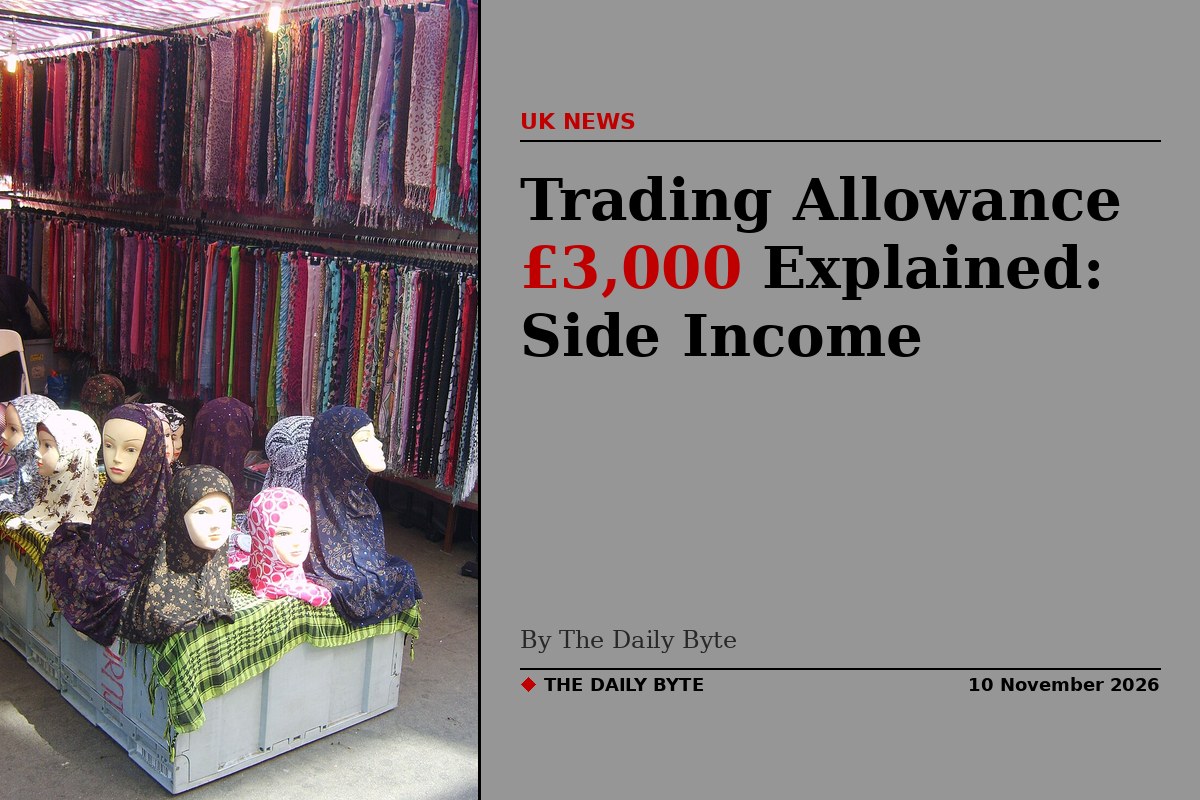
The trading allowance triples from £1,000 to £3,000 from 6 April 2027. From that date, people in the UK will be able to earn up to £3,000 a year from trading and miscellaneous income without paying income tax on it, and without having to declare that income on a Self Assessment tax return. The allowance applies to gross income, not profit, and for the 2026-27 tax year the limit is still £1,000.
Chancellor John Healey announced the change in the Autumn Budget on 28 October 2026. It is one of the clearest Budget measures for people with a side hustle, from selling handmade goods online to casual freelance work, because it raises the point at which small earnings start to involve tax and paperwork. This guide explains what the trading allowance is, who it covers, how the new £3,000 limit works, and what to do before it starts.
What is the trading allowance?
The trading allowance is a tax-free allowance for small amounts of trading and miscellaneous income. It is an alternative to claiming actual business expenses. If the allowance covers all of a person's relevant income, they do not have to declare that income or pay tax on it. If their income is above the allowance, they can deduct either the allowance or their actual expenses, whichever is higher, and pay tax on the rest.
The allowance has stood at £1,000 a year since it was introduced. The Budget raises it to £3,000 from 6 April 2027, the first day of the 2027-28 tax year. The Self Assessment reporting threshold for trading income rises to £3,000 at the same time, so the tax-free limit and the reporting limit move together.
The change is an announcement in the Budget documents, and it will be legislated in Finance Bill 2026-27, which Parliament has not yet passed. That is normal for Budget tax measures: the announcement sets out the government's intention, and the Finance Bill turns it into law. The figures in this guide come from the Budget 2026 documents published on GOV.UK on 28 October 2026.
Who does the £3,000 trading allowance cover?
The allowance covers people who earn small amounts from trading or miscellaneous income alongside their main job, or as their only income. The Budget documents describe it as applying to trading and miscellaneous income, and the examples given in Budget coverage include online selling, crafts, and casual work. A person who sells handmade goods, resells items online, takes on occasional freelance jobs, or earns small amounts from a hobby that has become a side income, is the kind of person the allowance is aimed at.
It does not change the tax treatment of employment income. Someone who is employed and paid through PAYE still pays tax on their wages in the usual way. The trading allowance is for income that is not already taxed as employment income, and it sits alongside the personal allowance rather than replacing it.
The allowance is also not a licence to ignore the tax system altogether. If a person's trading income is above £3,000, or if they have other income that needs to be declared, they still need to follow the Self Assessment rules. The change simply raises the line below which small trading income can be left alone.
How does the £3,000 limit work?
The most important point is that the limit applies to gross income, not profit. Gross income is the total amount received before any costs are taken off. A seller who takes £2,800 in a year, and spends £1,000 on materials, still has gross income of £2,800, which is below the new £3,000 limit, so no tax is due on that income and it does not need to be declared. A seller who takes £4,000, even after spending £2,000 on materials, has gross income above the limit, and the allowance no longer covers the whole amount.
Once gross income passes £3,000, the saver has a choice. They can deduct the £3,000 allowance from their gross income and pay tax on the remainder, or they can deduct their actual allowable expenses instead, if those expenses are higher than £3,000. They cannot deduct both. For someone with low costs, the £3,000 allowance is usually the better choice. For someone with high costs, claiming actual expenses may leave less taxable income.
Here is a simple illustration. A person who sells crafts online and takes £2,400 in the 2027-28 tax year is below the £3,000 limit, so that income is tax-free and does not need to be declared. A person who takes £4,200 in the same year is above the limit. If they use the trading allowance, they deduct £3,000 and are taxed on £1,200. If their actual allowable expenses were £1,800, the allowance is still the better choice, because £3,000 is larger than £1,800. If their expenses were £3,500, claiming expenses would be better, because £3,500 is larger than £3,000. These are illustrations of how the rule works, not tax advice for any individual case.
When does the £3,000 trading allowance start?
The new £3,000 trading allowance starts on 6 April 2027, the first day of the 2027-28 tax year. It is not backdated, and it does not apply to the current tax year. For 2026-27, the limit is still £1,000, and the reporting threshold is still £1,000.
That timing creates a trap for the unwary. Someone who earns £2,500 from a side hustle in the 2026-27 tax year is above the current £1,000 limit, even though the same income would be covered by the new limit a year later. The tax year in which the income is received decides which limit applies, so sellers should track their sales by tax year, not by calendar year, and should not assume that the new limit covers income earned before 6 April 2027.
The same tax-year rule applies to the reporting threshold. From 6 April 2027, trading income of up to £3,000 does not need to be reported on a Self Assessment return. Before that date, the threshold is £1,000. Anyone who is unsure whether they need to file a return should check the HMRC guidance on GOV.UK, because other income, such as property or savings income, can still create a filing requirement.
What counts as trading income?
Trading income is income from buying and selling goods or services with the intention of making a profit. The Budget documents use the phrase trading and miscellaneous income, which is a broad description, and the practical examples include:
- Online selling: selling handmade goods, second-hand items bought to resell, or products made at home through an online marketplace.
- Crafts and making: selling crafts, artwork, baked goods, or other handmade items at markets or online.
- Casual freelance work: occasional paid work such as writing, design, photography, tutoring, or repairs, where the person is working for themselves rather than as an employee.
- Occasional services: small amounts earned from services such as gardening, cleaning, or delivery work done on a self-employed basis.
- Miscellaneous income: other small amounts of income from trading activity that does not fall under employment.
Whether a particular activity counts as trading depends on the facts, including how often it happens, whether goods are bought with the intention of reselling them, and whether the person is carrying on a trade. Selling a few personal belongings once is not normally trading. Buying stock to sell at a profit, week after week, usually is. The line is not always obvious, and HMRC guidance on GOV.UK sets out the factors it considers.
What does the change not do?
The trading allowance change does not remove tax from larger side incomes. Someone earning £10,000 a year from a side business will still pay tax on the income above the allowance, after deducting either the allowance or their actual expenses. The change helps people with small earnings; it does not make a substantial business tax-free.
It also does not change the tax on savings and property income. The Budget separately raises the tax on savings income and on property income from April 2027, so landlords and savers face higher rates on that income even as the trading allowance rises. The two changes should not be confused: the trading allowance is for trading and miscellaneous income, while savings and property income are taxed under different rules.
The change does not remove the need to keep records. Even when income is below the limit, a seller who wants to prove that their income was below £3,000, or who later earns more and needs to file a return, will need records of sales, dates, and amounts. Keeping a simple spreadsheet of sales by tax year is enough for most small sellers, and it becomes essential once income approaches the limit.
What should you do before April 2027?
There are four practical steps to take before the new limit starts. First, work out which tax year your income falls in. Income received before 6 April 2027 is covered by the £1,000 limit, and income received on or after that date is covered by the £3,000 limit. Keeping sales records by tax year avoids confusion at the boundary.
Second, keep records of every sale, including the date, the amount received, and what was sold. A simple list is enough, but it should be complete. If income later passes the limit, those records are the basis for the tax return, and if HMRC ever asks questions, they are the evidence that the income was below the limit.
Third, keep receipts for expenses, even if the trading allowance turns out to be the better deduction. Expenses are only useful if they are higher than £3,000, but a seller cannot know that until the year is over, and receipts that are thrown away cannot be recovered.
Fourth, check whether anything else creates a need to file a Self Assessment return. The trading allowance removes the filing requirement for trading income below £3,000, but other income, such as property income or untaxed income from other sources, can still require a return. The HMRC guidance on GOV.UK, and the Budget 2026 overview of tax legislation and rates, set out the position, and an accountant can advise on individual cases.
Frequently asked questions
When does the trading allowance rise to £3,000? From 6 April 2027, the start of the 2027-28 tax year. For 2026-27 it is still £1,000.
Is the £3,000 limit on gross income or profit? Gross income, before expenses are taken off. If gross trading and miscellaneous income is £3,000 or less in the year, it is tax-free and does not need to be declared.
What if I earn more than £3,000? Deduct either the £3,000 allowance or your actual allowable expenses, whichever is higher, and pay tax on the rest.
Do I need to file a Self Assessment return if I earn under £3,000? No, for that trading income alone, because the reporting threshold also rises to £3,000. Other income can still require a return.
Does the change apply to income earned before April 2027? No. The new limit is not backdated, and the 2026-27 limit remains £1,000.
Is this tax advice? No. This is general information based on the Budget 2026 documents. Check the official GOV.UK and HMRC guidance, as the measure still needs to pass through Parliament in Finance Bill 2026-27.
Sources: Budget 2026: Overview of tax legislation and rates, GOV.UK and The Paid Hour, Autumn Budget 2026 Self-Employed: What Changed. This is general information, not tax advice. Check the official GOV.UK guidance, as the rules may change.