Budget row over defence: opposition demands 3% of GDP by 2030
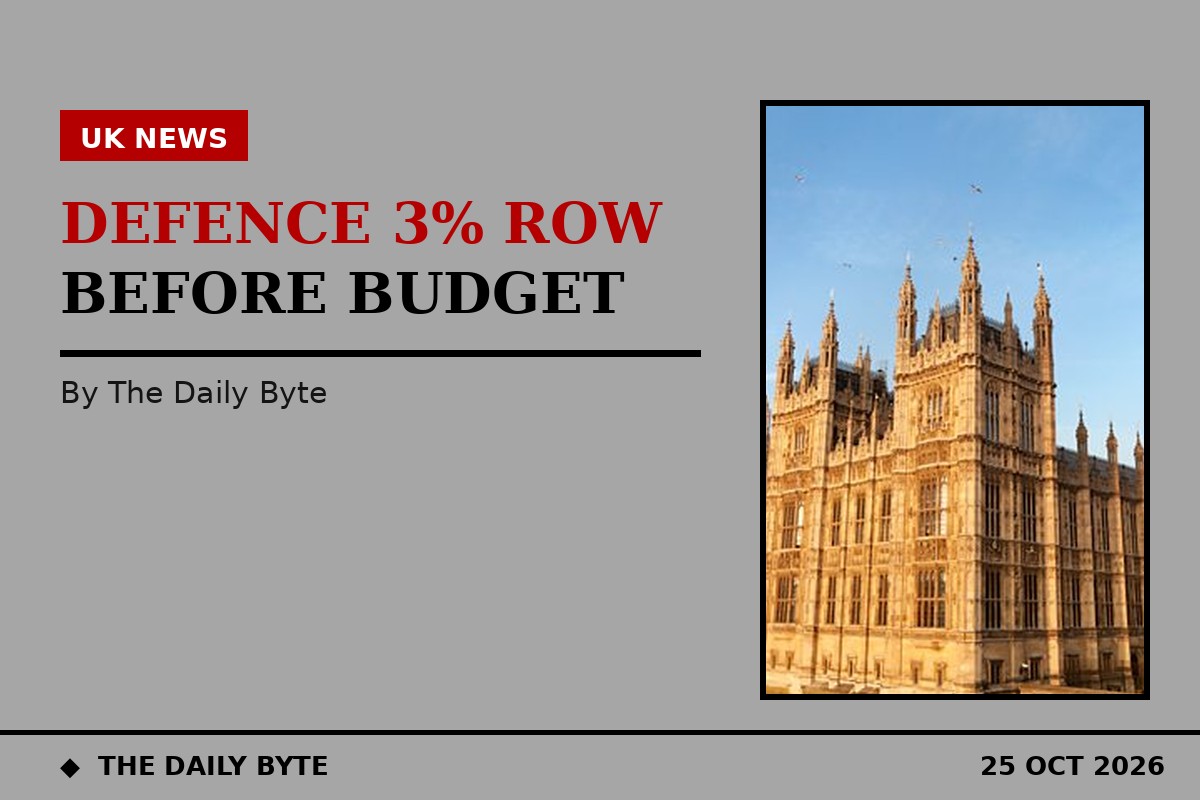
Defence spending has become one of the sharpest pre-Budget arguments, with the opposition demanding a concrete plan to spend 3 percent of gross domestic product on defence by 2030. Shadow Chancellor Andrew Griffith said Chancellor John Healey should resign if the government fails to set out that strategy in next week's Budget, claiming the chancellor is hesitating on military funding during a period of serious security threats.
The argument from the opposition
Mr Griffith's challenge links the Budget to a clear benchmark: 3 percent of GDP by 2030. The figure is a political test as much as a spending target, because it forces the government to show not just a single year's figure but a path over several years. Mr Healey had previously resigned in June from his post as defence secretary in the prior administration after arguing that military spending plans fell short, a history the opposition is using to press its case.
The government's reply
Responding to the criticism, Defence Secretary Wes Streeting faulted the previous Conservative administration for failing to invest in the military, and said the prime minister remains committed to providing the armed forces with necessary funding. The government has not, in the reporting so far, accepted the opposition's 3 percent timetable as its own.
The row sits alongside other pre-Budget announcements on housing, mayors and business support, and it will be settled, in part, by what the Budget actually contains: a multi-year defence path, a single-year increase, or language that leaves the timetable open. Until the Chancellor speaks, the 3 percent figure remains a demand from the opposition, not a confirmed government commitment.