Ebola in DR Congo: attacks now biggest threat to response
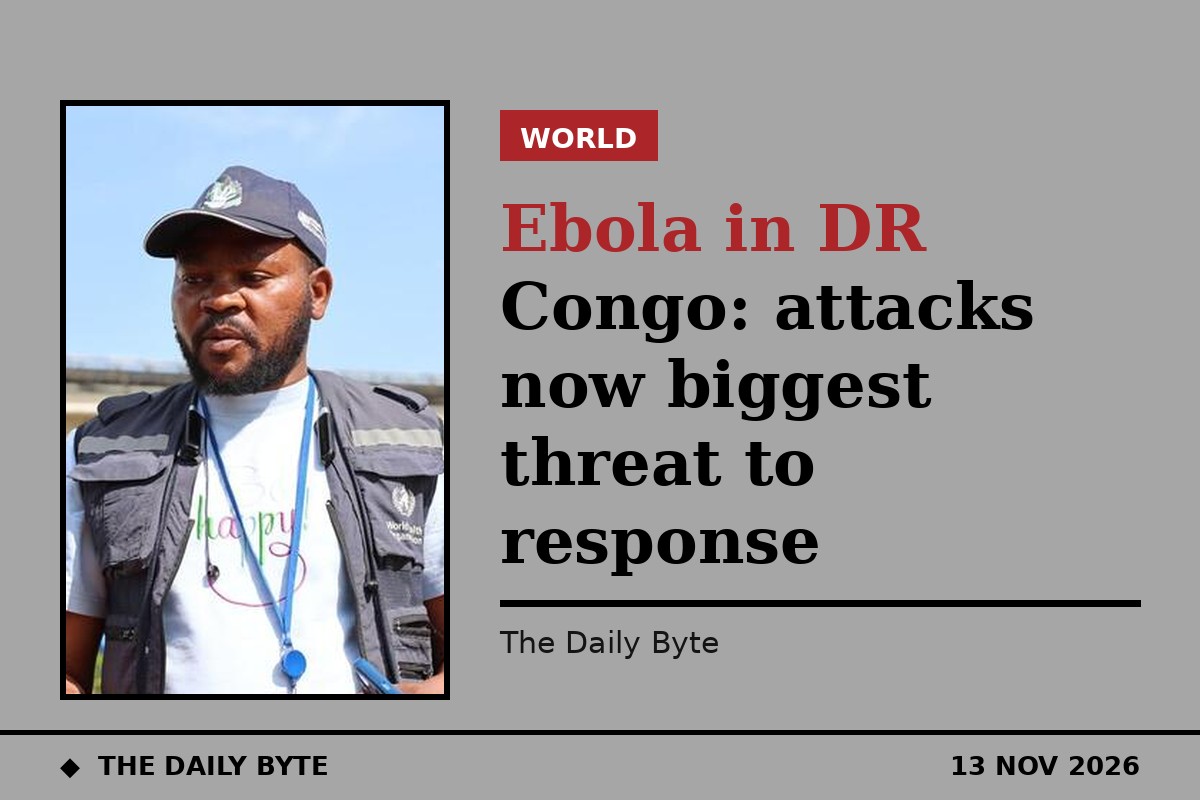
UN health officials warned on Friday that armed attacks, not Ebola itself, are now the biggest obstacle to controlling DR Congo's worst Ebola outbreak. More people have been killed by Allied Democratic Forces (ADF) fighters than by the virus in recent days, the UN's Ebola coordinator said.
Julien Harneis told reporters in Geneva that attacks on "tens of villages" across the south of Ituri and North Kivu provinces were going unnoticed, leaving communities scared and furious. Contact tracing in areas where the ADF operates is "a very hazardous idea", he said.
Cases still running at up to 500 a week
Dr Chikwe Ihekweazu, head of the WHO's Health Emergencies Programme, said 400 to 500 infections were still being found every week, with cases emerging in rural, hard-to-reach areas. More than 11,000 cases have been confirmed and more than 5,000 people have died since the outbreak was declared in May, making it the second-worst Ebola outbreak on record.
Transmission has fallen significantly in former hotspots Bunia, Mongbwalu, Rampara and Nizi, all in Ituri province. But 80 attacks on health sites and workers have been recorded, including one at Cantine-Aloya in North Kivu that killed 66 people, among them three health workers.
Hunger crisis deepens alongside outbreak
The outbreak is driven by the rare Bundibugyo species of the virus, for which there are no approved treatments or vaccines. WHO chief Tedros Adhanom Ghebreyesus said insecurity was now the response's greatest challenge, adding that some communities told him Ebola was "a lesser evil" than other threats they face.
The World Food Programme warned nearly 29 million people in DR Congo face acute food insecurity, projected to rise to 30.3 million in the first half of 2027, with the worst needs in North Kivu, South Kivu and Ituri.


