UNAIDS Warns HIV Gains at Risk as Funding Falls
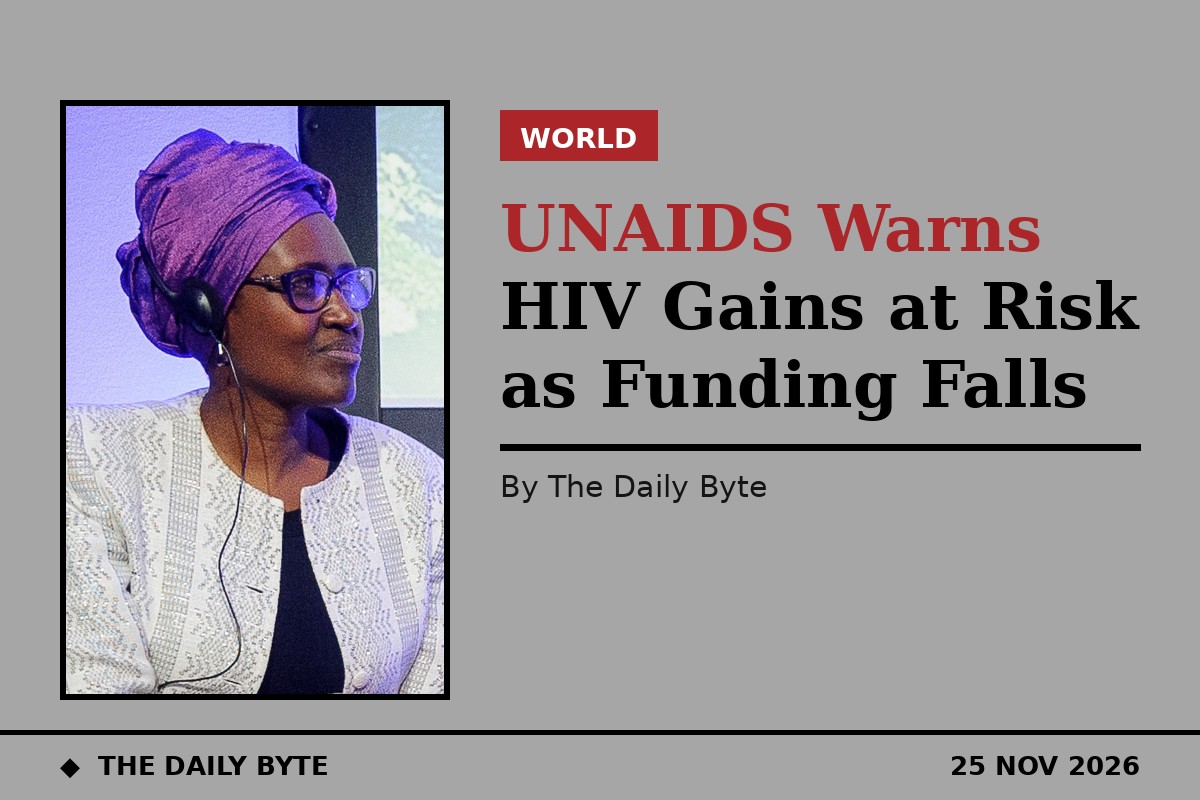
New HIV infections could start rising again from next year, reversing decades of progress, the United Nations AIDS agency has warned, as steep cuts to international funding dismantle prevention programmes and close community services across the countries most affected by the virus.
UNAIDS launched its annual report, Ending AIDS Starts with Access, on Monday 24 November, as the agency marks 30 years. The report says the world has moved closer than ever to controlling the epidemic, but that the gains are now at risk from the sharpest cuts to HIV financing on record.
Funding falls by more than $1 billion
Resources available for HIV programmes in low- and middle-income countries fell by more than $1 billion in 2025, leaving a $4.3 billion gap between what is available and what is needed each year to stay on track to end AIDS as a public health threat by 2030. Total funding stood at $17.6 billion, against $21.9 billion needed annually by 2030.
International financing for HIV fell by 18 per cent over the past year. The United States, the largest donor government source of HIV funding, cut its bilateral contributions by 26 per cent between 2024 and 2025, while disbursements from the Global Fund to Fight AIDS, Tuberculosis and Malaria fell by 13 per cent.
UNAIDS Executive Director Winnie Byanyima said the world was on the verge of ending AIDS and should be finishing the job. “We are on the cusp of ending AIDS – this has been the greatest story of global health – and just when we should finish it, cuts and the rolling back of human rights is threatening to take away our gains,” she told Reuters.
Prevention hit first and hardest
Prevention services have borne the brunt of the cuts. About 446,000 fewer people accessed oral PrEP, the medicine that prevents HIV infection, in 2025 than the year before, while condom distribution fell from three billion in 2024 to 2.7 billion in 2025. Voluntary medical male circumcision procedures dropped by 53 per cent across priority countries.
A survey of 79 community-led organisations in 47 countries found a 50 per cent drop in PrEP delivery. UNAIDS said governments had acted quickly to protect treatment programmes, but prevention and community-based support had been severely affected, with clinics closing and health workers losing their jobs.
“Every clinic that closes, every outreach worker who loses their job and every young woman turned away from prevention services today risks becoming a new HIV infection tomorrow,” Byanyima said.
Progress still visible — for now
The latest figures show how far the response has come. An estimated 1.2 million people acquired HIV in 2025, down from a peak of 3.5 million in 1994 and the lowest figure on record. AIDS-related deaths fell to about 570,000, the lowest in more than two decades, though still equivalent to nearly 1,600 deaths every day. Some 32.1 million of the 40 million people living with HIV are now on treatment.
But UNAIDS warned that the full consequences of the 2025 funding disruption were not yet visible in the figures, because of the time lag between services being withdrawn and infections, treatment interruptions and deaths that follow. Byanyima predicted that data published in 2027 would start to show infections rising.
Africa carries the greatest risk
Sub-Saharan Africa, the region most affected by HIV, is expected to bear the greatest impact of the cuts. Nigeria is among the countries most exposed: external resources account for about 98 per cent of its HIV funding, according to the report. Many affected countries cannot replace the lost international money on their own, with debt payments exceeding health budgets two or three times over in some cases.
The report also points to new tools that could change the picture if they reach the people who need them. Lenacapavir, a twice-yearly injectable prevention medicine, had reached more than 50,000 people in nine sub-Saharan African countries by the end of June 2026, and its price for lower-income countries is due to fall to $40 per person per year from 2027.
UNAIDS itself has been cut back sharply as pressure grows on the United Nations to restructure. The agency has dismissed about half its staff and stopped work in around 30 countries, although its board rejected a plan to dissolve it altogether last month. Byanyima leaves her post in December.
Despite the warning, UNAIDS said ending AIDS as a public health threat by 2030 remained within reach if governments urgently strengthened domestic financing, protected community services and removed barriers to access. If the commitments in the 2026 Political Declaration on HIV and AIDS are met, the agency estimates 3.2 million new infections and 1.3 million AIDS-related deaths could be averted by 2030.


