US Food Stamps Cut for 6.3 Million in SNAP Rule
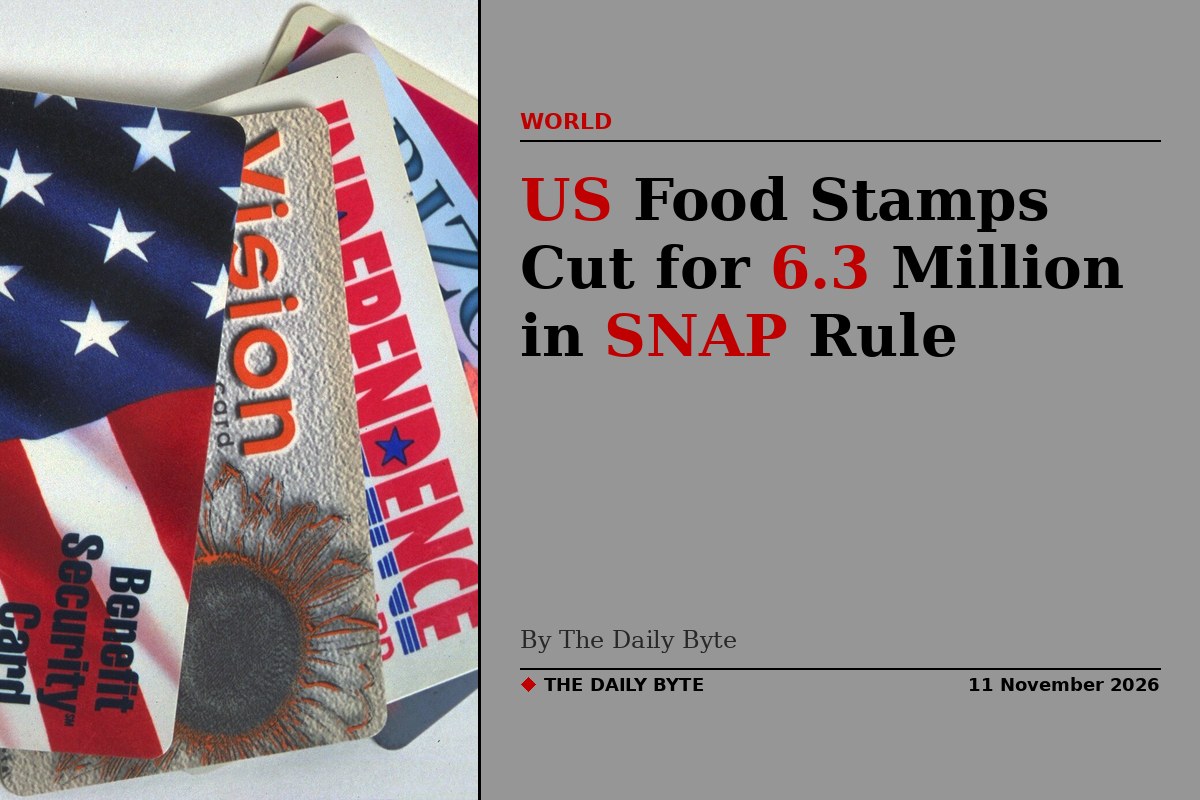
The Trump administration has proposed a rule that would remove about 6.3 million people from food stamps, in its latest move to tighten eligibility for the United States' largest food assistance programme.
The proposed rule, issued by the US Department of Agriculture (USDA) and published in the Federal Register on Tuesday, 10 November, would curb a route known as broad-based categorical eligibility. Under that route, households receiving benefits under the Temporary Assistance for Needy Families (TANF) programme qualify automatically for the Supplemental Nutrition Assistance Program (SNAP), commonly known as food stamps, without having to meet the federal income thresholds.
TANF eligibility is set by each state and generally runs from 130% to 200% of the federal poverty level, while SNAP eligibility is generally 130% of the poverty level. The USDA proposal would limit the TANF route to households receiving assistance intended to meet ongoing basic needs, so that eligibility is more closely tied to the federal programme's income standards.
6.3 million people affected
According to the USDA's own analysis included in the proposed rule, nearly 18% of SNAP recipients — about 6.3 million people in 3.2 million households — would lose benefits once the change takes full effect in the 2029 fiscal year. The department estimates the change would cut federal SNAP spending by about $44.6 billion over the 2027 to 2031 fiscal years.
The effects would reach beyond food stamps. Because SNAP enrolment also confers eligibility for other food aid, the USDA estimates that 1.8 million children would lose eligibility for free school lunch under the proposal.
The rule would affect most of the country. The USDA counted 46 of the 53 state and territorial agencies that administer SNAP as using broad-based categorical eligibility, and the proposal would preserve only the separate categorical eligibility routes tied to Supplemental Security Income and qualifying general assistance programmes.
Administration defends the change
The USDA said the changes would make SNAP eligibility more standardised across states and "preserve benefits for the truly needy". A department spokesperson told Politico that broad-based categorical eligibility had "bloated the welfare rolls for decades". The proposal was signed by USDA Deputy Secretary Stephen Vaden.
The move follows earlier cuts to the programme. More than 5.5 million people have already lost SNAP benefits since President Donald Trump signed cuts into law in his July 2025 tax legislation, bringing enrolment to about 36 million people, according to USDA data. The department has said the decline is partly because states have struggled to implement the administrative changes and absorb significant new costs from that law.
Ending broad-based categorical eligibility has long been a goal of Republican administrations. It was also set out in the Heritage Foundation's Project 2025 policy proposals for President Trump's second term.
Critics call the rule cruel
Democrats condemned the proposal. Angie Craig of Minnesota, the ranking Democrat on the House Agriculture Committee, called the rule "heartless and cruel" and said it would "make it harder to meet basic needs and roll back efforts to streamline federal programs".
The proposal is not yet a final rule and changes no one's benefits immediately. The public has 30 days to comment, with written comments due by 10 December under docket FNA-2026-0661, before the department decides whether to revise or finalise the measure.


