US Probes Cyberattacks on Up to 50 Tankers, Iran Suspect
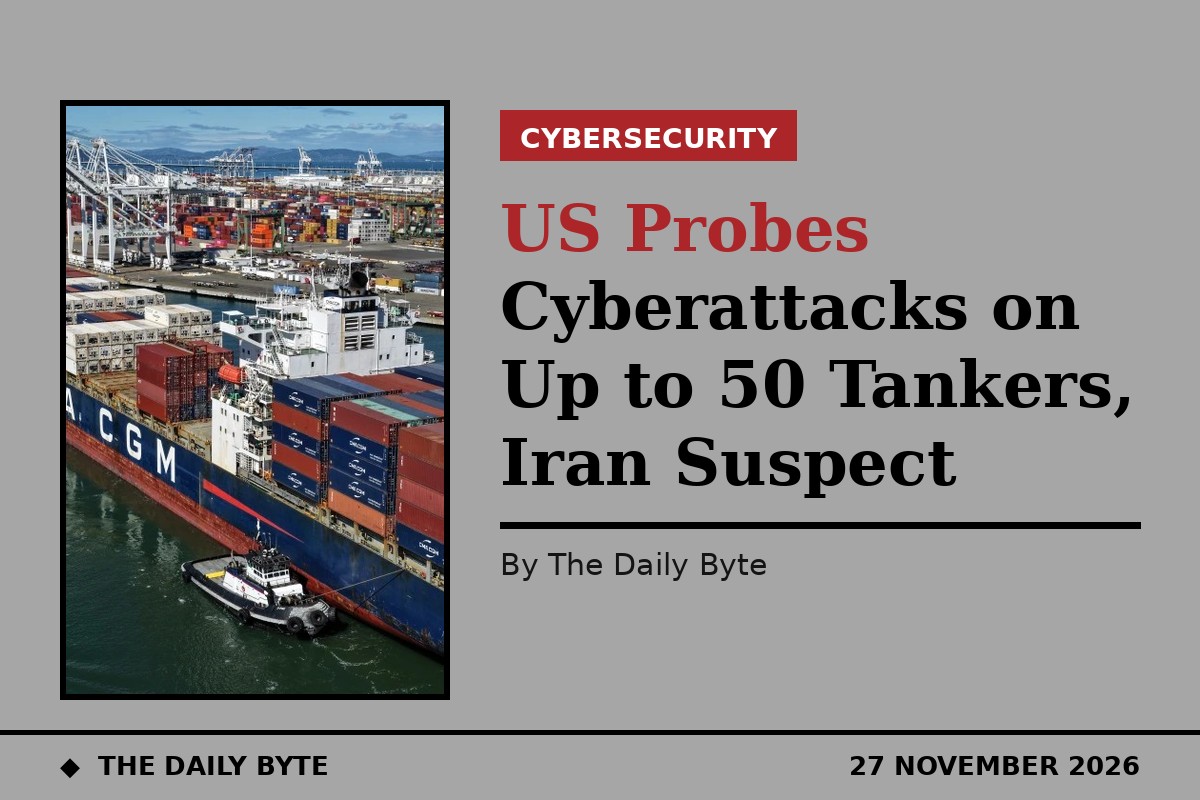
The United States is investigating a wave of cyberattacks believed to have hit as many as 50 commercial ships carrying oil, liquefied petroleum gas, chemicals and other hazardous cargo. Iran is the leading suspect, according to US officials, but investigators have not confirmed who is behind the attacks.
The series of breaches was first reported by The Wall Street Journal on 24 November. According to US officials and people familiar with the investigation, as many as 50 ships are believed to have been targeted. The attacks are being examined as a possible widening of the conflict between the US and Iran into cyber operations against global shipping.
Fortinet flaws opened the door
The attackers are said to have exploited known vulnerabilities in Fortinet FortiGate devices, networking equipment that is widely used across the maritime industry to manage firewalls and virtual private networks. The US Coast Guard and the FBI warned the industry in a cyber bulletin in September that attackers were breaking into these devices.
Once inside a ship's IT systems, the hackers were able to pivot to the network of devices controlling physical processes on board, known as operational technology. In at least one case, one of the ships affected was an LNG tanker designed to carry liquefied natural gas. Another vessel, the Vivit Africa, an LNG carrier, was reportedly targeted while transporting liquefied natural gas from the United States to Italy.
The US Coast Guard has deployed specialist cyber protection teams to at least four vessels as they approached American waters in recent weeks, working to assess and mitigate the threat before the ships continued into US ports. Two ships, the VL Prosperity and the Kohaku, were inspected after suspected compromises of their onboard networks. Federal officials had already boarded at least two ships in August to check the security of their systems before allowing them entry into US ports.
Attribution is not settled
Iran is the primary suspect in the attacks, according to the officials who spoke to The Wall Street Journal. But the attribution is far from settled. A Trump administration official told the newspaper that investigators had found no evidence linking Iran to the incidents, and described four of the attacks as minor disruptions. US authorities are also considering the possibility of Russian involvement.
The incidents reportedly involved both cyber intrusions and intimidation campaigns. The investigation also concerns vessels operating near Europe and Asia, not only those bound for the United States.
Security researchers who track the maritime sector say the pattern is not new, but it is getting worse. Markus Mueller, a senior cybersecurity executive at Nozomi Networks, a firm that focuses on operational technology, told NPR his company had seen a number of incidents targeting the maritime sector in 2025 and 2026, and he expects that to increase. He added that many of the vessels, particularly the energy tankers carrying dangerous materials, have robust backup plans in place.
Ships are now deliberate targets
Alon Ayalon, co-founder of Israeli maritime cybersecurity firm Cydome, said ships had increasingly become deliberate targets of cyber campaigns. What his firm is seeing in 2026, he said, is that ships are no longer collateral damage in cyber campaigns; they are deliberate targets.
The US Coast Guard has urged shipping operators to report suspected cyber incidents and to make use of its free resources to strengthen their defences. The investigation continues, and officials have not said when they expect to be able to name those responsible with confidence.
For the shipping industry, the episode underlines a risk that has been building for years. Modern vessels run on connected systems, from navigation and engine controls to cargo handling, and the same networking equipment that keeps a ship connected to shore can give an attacker a way in. A single unpatched device on a vessel carrying explosive cargo is a problem that goes well beyond the IT department.


