US Sanctions Eight Canadian Firms Over Iran Links and Drug Money Laundering
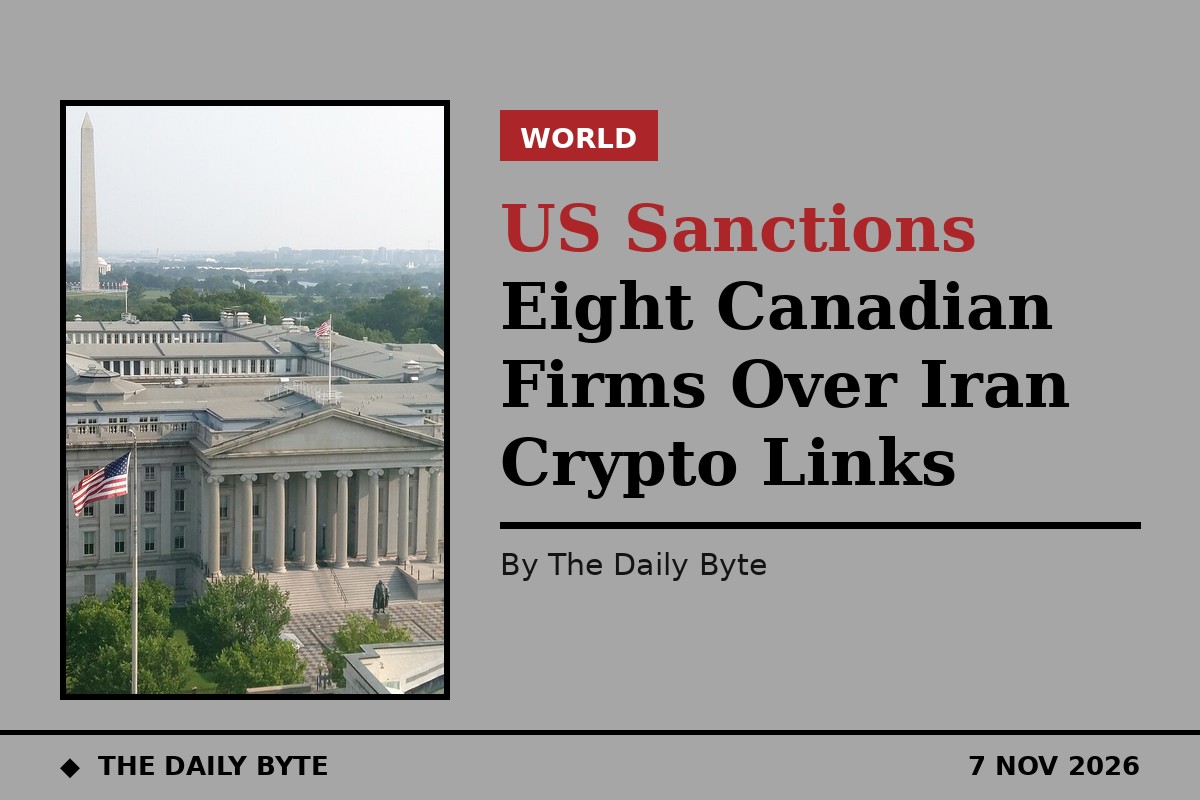
The United States has sanctioned eight Canadian money services businesses accused of helping Iran evade financial sanctions and of laundering drug-trafficking proceeds, the Treasury Department announced on Friday.
The Treasury's Office of Foreign Assets Control (OFAC) said the firms, based in Ontario and British Columbia, exchanged Iranian rials and other currencies for digital assets, allowing Iran's government, its Revolutionary Guard Corps (IRGC) and other sanctioned actors to move money in and out of the country. Several of the firms dealt with Iranian cryptocurrency exchanges already under US sanctions and sent funds to digital-asset accounts linked to the IRGC.
The designated businesses include Million Exchange, Amin Exchange, NIA Nations, Farah Exchange, CCC Inc, Cryptoyal and Darvish Exchange. The sanctions block any assets they hold in the United States and bar Americans from dealing with them.
Drug money link
The Treasury said three of the firms also helped launder bulk cash for Ryan Wedding, a former Canadian Olympic snowboarder accused of running an international drug-trafficking network. Wedding was arrested in Mexico in January and brought to the United States, where he faces drug-trafficking, murder and attempted-murder charges. He remains in custody, with trials scheduled for March and October 2027.
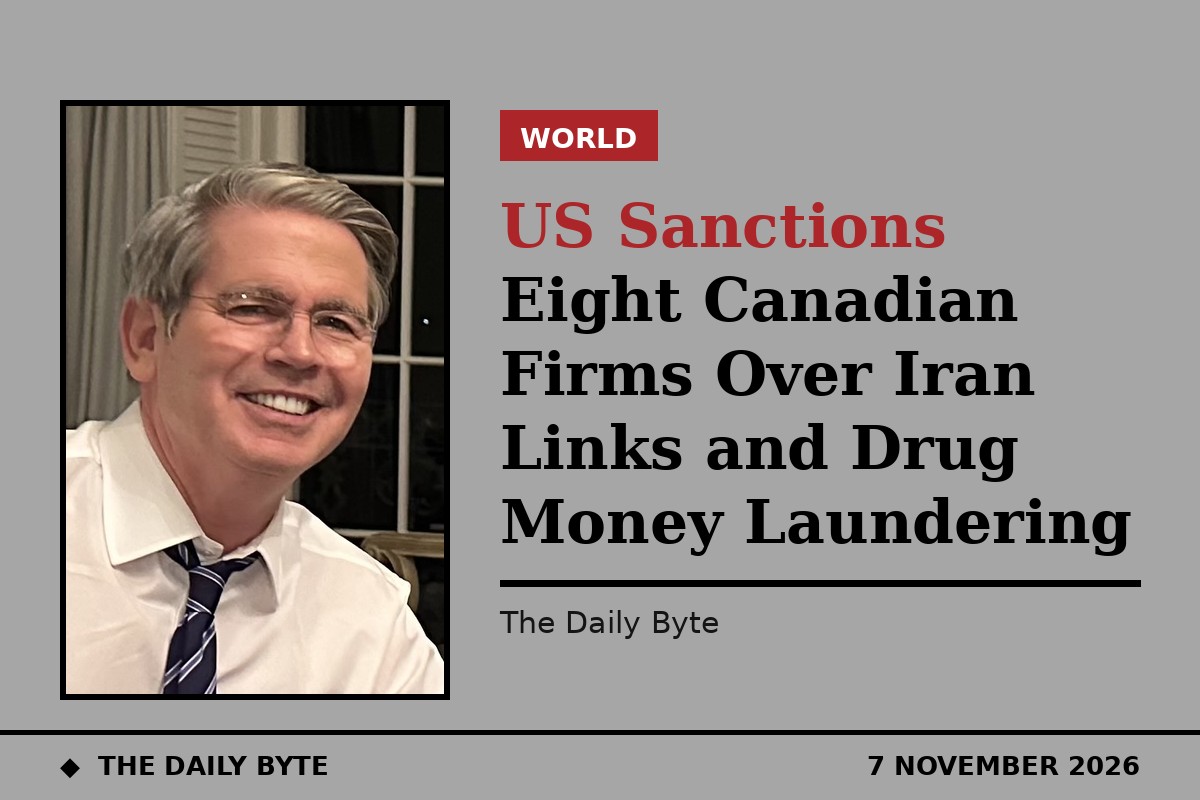
Treasury Secretary Scott Bessent said Canada should not serve as a refuge for financial intermediaries helping Iran and its proxies evade sanctions. The action was coordinated with Canada's financial intelligence unit, FINTRAC, and the US Financial Crimes Enforcement Network.
The designations form part of Operation Economic Outcast, a Treasury campaign launched in August to cut off revenue the Iranian government uses to fund terrorism, weapons proliferation and regional proxies. The move follows the expansion of secondary sanctions the US can impose on entities and countries that keep doing business with Iran.