What Is Norovirus?
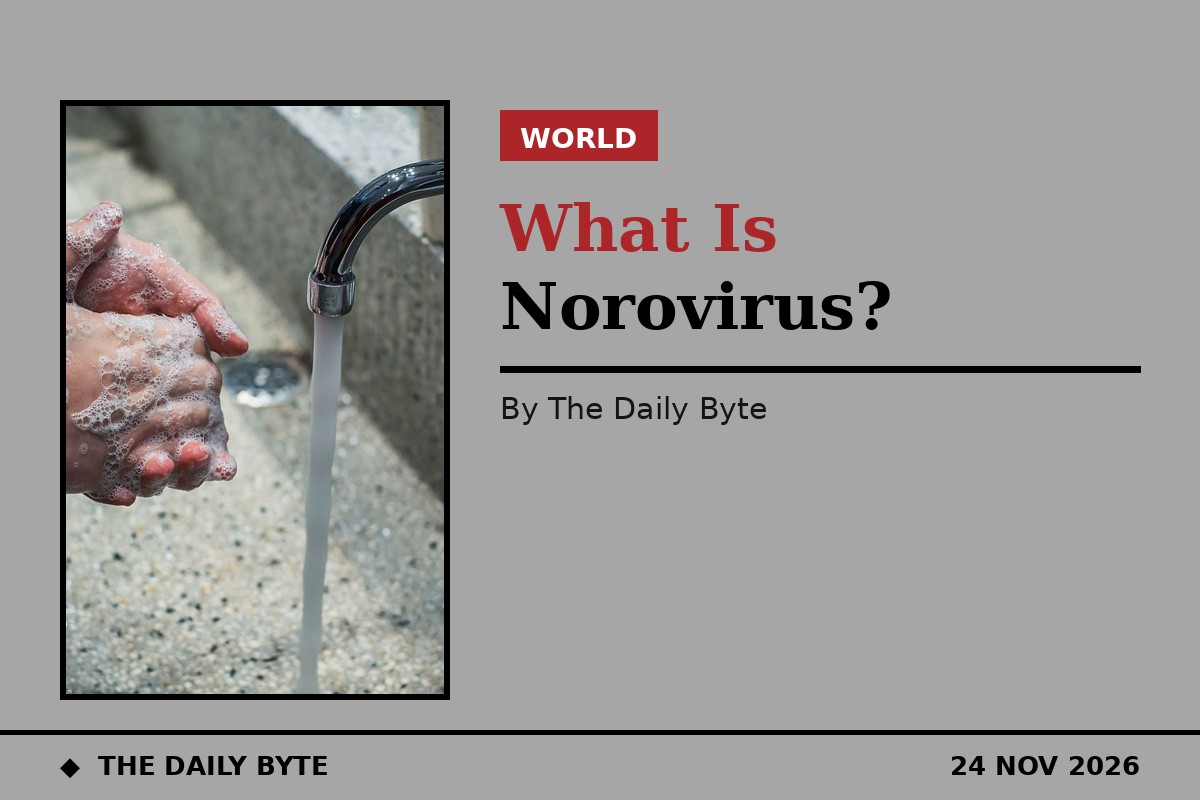
Norovirus is a highly contagious virus that causes sudden vomiting and diarrhoea. It is often called the "winter vomiting bug" because it is more common in winter, although you can catch it at any time of year. It is one of the most common stomach bugs in the UK, it spreads very easily from person to person, and while it is usually unpleasant rather than dangerous, it can be serious for very young children, older people and anyone with a weakened immune system. Most people recover at home within two to three days without any specific medicine.
Norovirus is in the news in November 2026 because cases in England are climbing as winter approaches. The UK Health Security Agency (UKHSA) reported that laboratory-confirmed norovirus reports rose by more than a third in the first two weeks of November compared with the previous fortnight, and its lead epidemiologist said the agency expects the increase to continue as we head into winter. If you have ever wondered why the advice is always soap and water, never hand gel, and why you must stay home for 48 hours after the sickness stops, this is the explainer that answers those questions.
What is norovirus?
Norovirus is a virus that infects the stomach and intestines, causing gastroenteritis, which is inflammation of the stomach and intestines. It is not a bacterium, so antibiotics do not work against it, and it is not the same as food poisoning, although contaminated food is one of the ways it spreads. There is no single norovirus: many different types, or genotypes, circulate at any given time. That is one reason you can catch it more than once, even within a short period, because your body cannot build up long-term resistance to every type.
The virus is often called the winter vomiting bug because outbreaks peak in the cooler months, when people spend more time indoors in close contact. But it is detected all year round. In England in the 2026 to 2027 season so far, the great majority of samples characterised by UKHSA — 89 per cent — belonged to norovirus genogroup 2, and the most frequently identified genotype was GII.4[P16], found in a quarter of samples.
What are the symptoms of norovirus?
The main symptoms usually start suddenly and include feeling sick, projectile vomiting and watery diarrhoea. Some people also have a slight fever, headaches, painful stomach cramps and aching limbs. Vomiting happens in more than half of cases. Symptoms usually begin 12 to 48 hours after you are exposed to the virus, although it can be as little as a few hours or as long as three days.
For most people the illness is short-lived. Symptoms typically last for one to three days, and most people start to feel better within two to three days without needing any medicine. You may feel tired for a short time after the worst has passed. The very young and the elderly may experience longer symptoms, and they are also the people most at risk of dehydration, which is the main complication to watch for. Signs of dehydration include a dry mouth, dizziness and passing less urine than usual.
The NHS advises phoning your GP practice or NHS 111 if you are concerned or need advice, and to call 111 now if you or your child have diarrhoea for more than seven days or vomiting for more than two days. Do not go to your GP surgery or a hospital while you are symptomatic, because norovirus spreads to others very easily; phone for advice instead.
How does norovirus spread?
Norovirus spreads very easily, and it takes only a tiny number of virus particles to cause infection. You can catch it through close contact with someone who has norovirus, by touching surfaces or objects that have the virus on them and then touching your mouth, by eating food prepared or handled by someone with the virus, or by drinking contaminated water. Small particles of vomit or stools from an infected person can get into your mouth, and particles released into the air during vomiting can also be breathed in.
One reason the virus is so hard to contain is how long it survives outside the body. Norovirus can survive on surfaces for days or even weeks, which is why outbreaks are common in places where large numbers of people gather, such as hospitals, care homes, schools, nurseries and cruise ships. Thorough cleaning matters, but ordinary alcohol hand gels do not kill norovirus. That is a fact the NHS repeats in all of its guidance, and it is the reason handwashing with soap and water is the single most important defence.
How long are you contagious with norovirus?
You are most infectious from the start of your symptoms until 48 hours after all symptoms have stopped, but you may also be infectious for a short time before symptoms begin and after they end. That is the basis of the "48-hour rule" the NHS and UKHSA use: stay off work or school, do not visit hospitals or care homes, and do not prepare food for others until at least 48 hours after your symptoms have completely stopped.
Some NHS guidance puts the window slightly wider, noting that you can remain contagious for up to 72 hours after your last symptoms, and advises staying away from hospitals and busy communal areas for at least 48 but up to 72 hours. Either way, the practical message is the same: feeling better is not the same as being safe to be around others, and going back to work, school or a family gathering too soon is how outbreaks start.
How is norovirus treated?
There is no specific treatment for norovirus. It usually clears up by itself, and the treatment is rest, fluids and time. Drink small, regular amounts of fluid, preferably water or an oral rehydration remedy, to replace what you lose through vomiting and diarrhoea. Over-the-counter medicines such as paracetamol can help with fever and aches. Antibiotics will not help, because norovirus is a virus, not a bacterial infection.
Most people can look after themselves or their child at home. Seek medical advice by phone if you are worried, if symptoms last longer than expected, or if there are signs of dehydration, particularly in a baby, a young child or an older person. If you or your child have diarrhoea for more than seven days or vomiting for more than two days, the NHS says to phone 111. In an emergency, such as signs of severe dehydration, call 999 or go to A&E.
How do you stop norovirus spreading?
The most effective step is washing your hands regularly with soap and water, especially after going to the toilet, changing nappies and before eating or preparing food. Alcohol hand gels do not kill norovirus, so they are not a substitute. If someone in your household is ill, clean surfaces that may be contaminated, wash soiled laundry separately where possible, and do not share towels, flannels or toothbrushes.
If you have norovirus, stay at home and rest, do not return to work or send children to school or nursery until 48 hours after the symptoms have stopped, and do not visit others in hospitals or care homes until you have been free of sickness and diarrhoea for two days. Do not cook or help prepare meals for others until 48 hours after symptoms have stopped, because norovirus can be spread through contaminated food. These steps are simple, but they are also the reason outbreaks in hospitals and care homes can be brought under control.
Why is norovirus in the news in November 2026?
Because cases are rising earlier than usual this winter. UKHSA's national norovirus and rotavirus report for week 47, covering data to 15 November 2026, found that norovirus activity had increased in recent weeks but remained within expected levels. Total norovirus laboratory reports between weeks 45 and 46 of 2026, from 2 to 15 November, were 331, which was 5.4 per cent higher than the five-season average for the same two-week period, and 36.2 per cent higher than the previous two-week period, when there were 243 reports. In the latest week alone there were 177 positive laboratory reports.
Across the 2026 to 2027 season so far, England had recorded 2,325 positive norovirus laboratory reports by week 46, which was 18 per cent higher than the five-season average of 1,970 for the same period. The reporting rate was highest among children aged 0 to 4. Amy Douglas, lead epidemiologist at UKHSA, said: "While norovirus remains within expected levels, we're starting to see a rise in cases and expect this increase to continue as we head into winter." Hospital outbreak data, which was paused while the reporting system was updated between 22 October and 4 November, is due to resume in the report published on Thursday 26 November.
Frequently asked questions
Can you catch norovirus more than once? Yes. You can get norovirus more than once because the virus is always changing and your body is unable to build up long-term resistance to it. Multiple types circulate at any given time, so immunity to one type does not protect you against the others.
Is norovirus the same as stomach flu? No, although it is sometimes called gastric flu. Norovirus is not influenza. Flu is a respiratory virus that affects the nose, throat and lungs, while norovirus affects the stomach and intestines. The flu vaccine does not protect against norovirus, and there is no vaccine for norovirus.
Does hand sanitiser kill norovirus? No. Alcohol hand gels do not kill norovirus, which is why NHS guidance always says to wash your hands with soap and water. Soap and water physically remove the virus from your hands; sanitiser does not reliably do the same job against this particular virus.
When can my child go back to school after norovirus? Keep your child away from school or nursery until 48 hours after their symptoms have completely stopped, the same rule that applies to adults returning to work. If symptoms persist, or you are worried, phone your GP practice or NHS 111 for advice.
Sources: NHS: Norovirus; UK Health Security Agency: Norovirus — what to do if you catch it and helping to stop the spread; UKHSA: National norovirus and rotavirus report, week 47 (data to 15 November 2026).


