What Is the UEFA Nations League? Explained
The UEFA Nations League is UEFA's competition for European national teams, created to replace many international friendlies with competitive, league-style fixtures. Teams are split into leagues based on ranking, play each other home and away, and can be promoted or relegated, with the best teams in the top tier competing for the title.
The 2026-27 edition is the fifth season of the competition. Leagues A, B and C each contain 16 teams in four groups of four, while League D has six teams in two groups of three. SuperSport's guide to the format explains that teams play everyone in their group home and away, with the league phase running from late September to mid-November 2026.
In League A, the top tier, the group winners and runners-up advance to two-legged quarter-finals in March 2027. The four quarter-final winners then contest the Nations League Finals in June 2027, a four-team tournament of semi-finals, a third-place match and a final. The draw for the knockout stage takes place in Nyon on 20 November 2026.
How can England reach the quarter-finals?
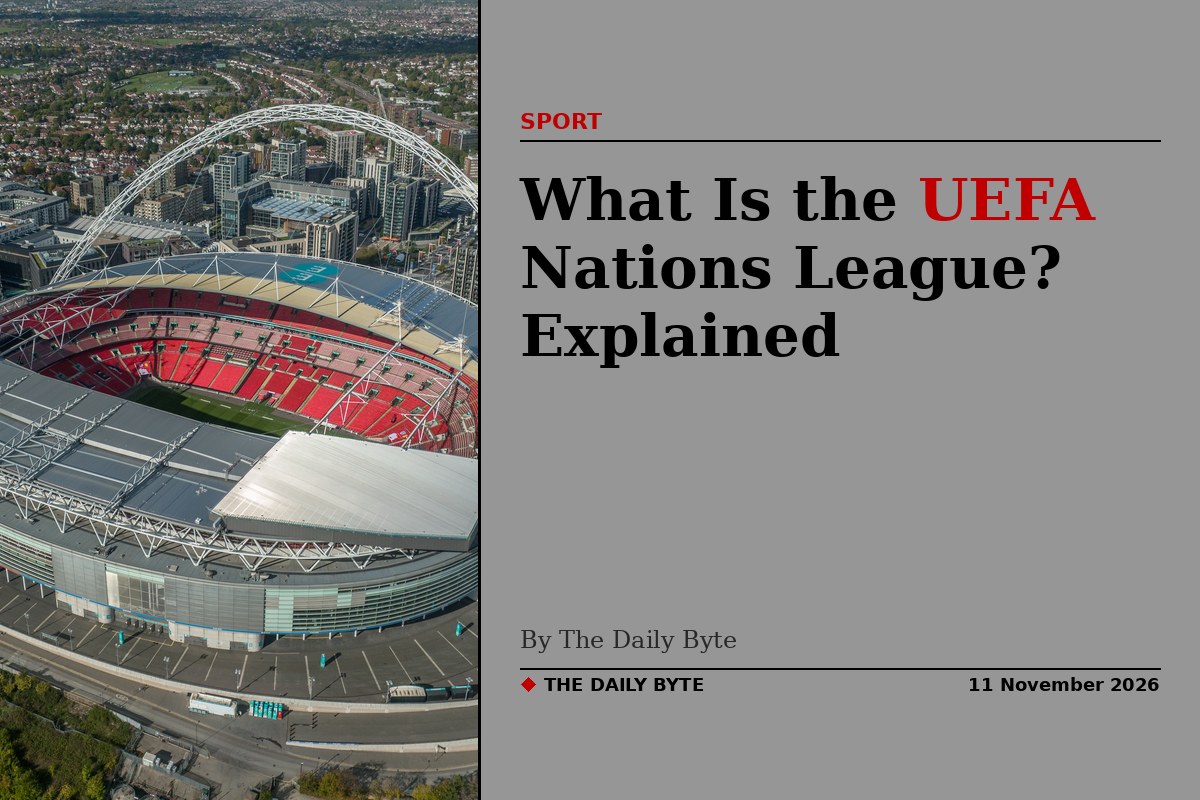
England sit second in their League A group, three points behind Spain and six ahead of Croatia. They host Croatia at Wembley on Thursday 12 November, then travel to Madrid to face Spain on Sunday 15 November. England need to avoid defeat against Croatia to secure a place in the quarter-finals, and they beat Croatia 7-0 when the sides met in October.
What about promotion and relegation?
Group winners in Leagues B and C are promoted, while the lowest-ranked fourth-placed teams in League A are relegated to League B. Other teams face two-legged promotion and relegation play-offs in March 2027. This is a transition season: from 2028-29 the competition will have three leagues of 18 teams, and League D will disappear.