What Is the World Bank and How Does It Work?
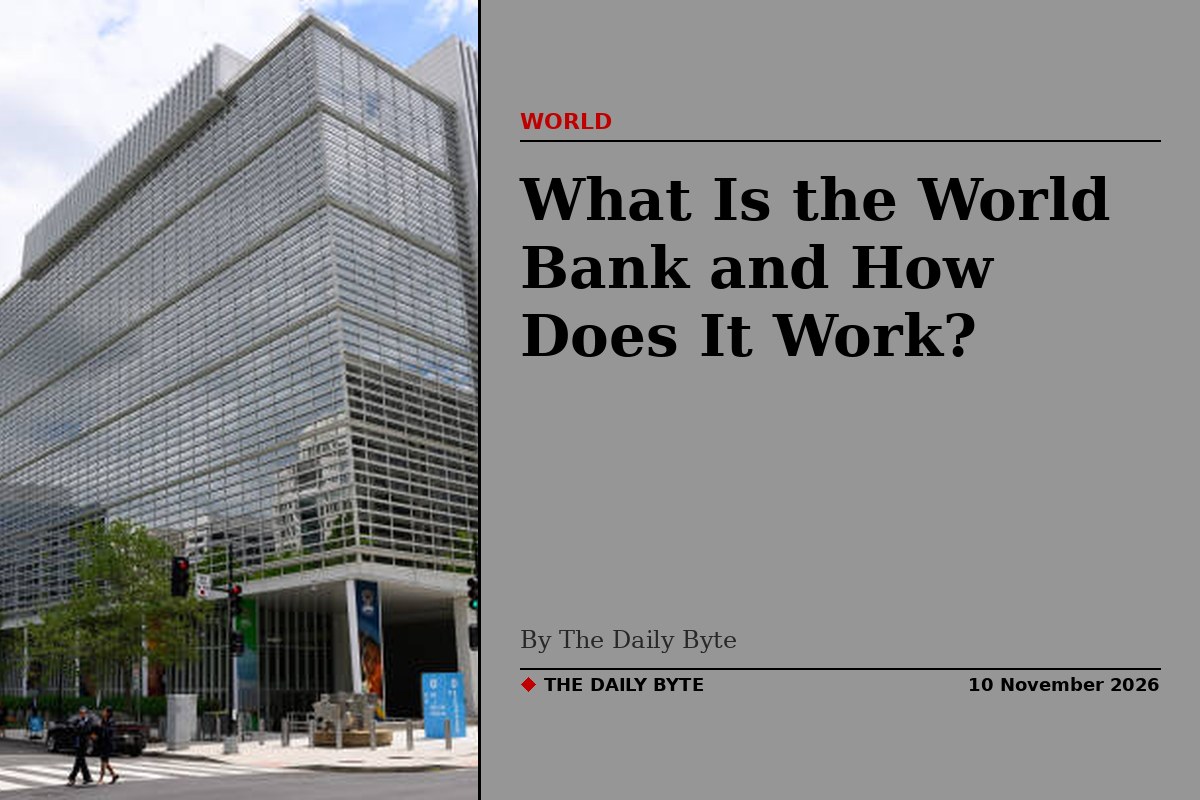
The World Bank is not a bank in the usual sense. It has no branches, no cash machines and no personal accounts. It is a group of five development institutions owned by 189 member countries, which lend money, give grants and offer advice to help developing countries cut poverty and raise living standards.
When was the World Bank founded?
Founded in 1944 at the Bretton Woods Conference, the Bank began by helping rebuild war-torn Europe. Its mission has since shifted to fighting poverty in developing countries. Its headquarters are in Washington DC, and it works in more than 130 countries.
What are the five World Bank institutions?
Strictly, the name 'World Bank' covers only two of the five: the International Bank for Reconstruction and Development (IBRD), which lends to middle-income and creditworthy low-income countries, and the International Development Association (IDA), which gives low- or no-interest loans and grants to the poorest countries. The other three are the International Finance Corporation (IFC), which backs private-sector projects; the Multilateral Investment Guarantee Agency (MIGA), which insures investors against political risks such as war; and the International Centre for Settlement of Investment Disputes (ICSID), which settles disputes between investors and states.
Where does its money come from?
The Bank raises money by selling bonds on international capital markets, from capital paid in by member countries, and from donor contributions that fund IDA. Its twin goals are to end extreme poverty and to boost shared prosperity on a liveable planet. Countries must first join the International Monetary Fund before they can join the World Bank Group.


