Bird Flu Found in Wisconsin Backyard Flock, Birds Culled
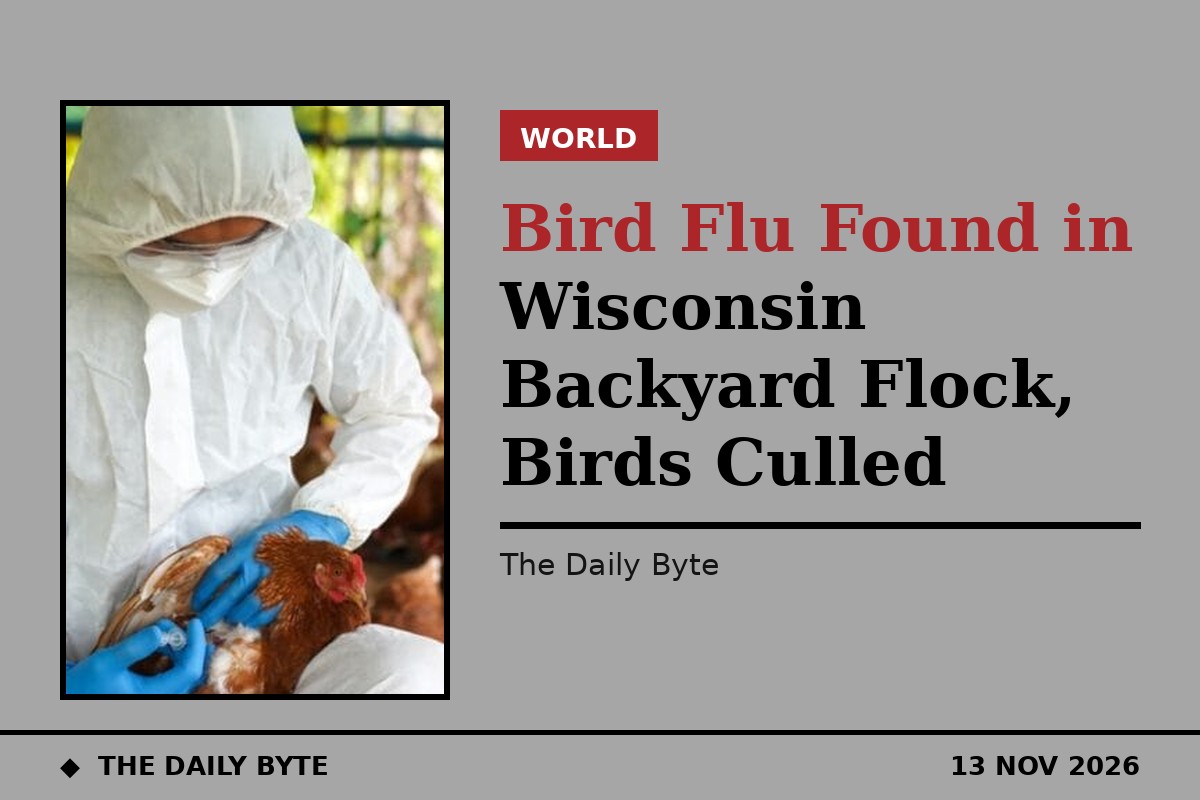
A highly contagious strain of bird flu has been confirmed in a backyard poultry flock in Rusk County, Wisconsin, and officials have euthanised all the birds on the property to stop the virus spreading, the Wisconsin Department of Agriculture, Trade and Consumer Protection (DATCP) said on Thursday, 12 November.
The department confirmed the case of highly pathogenic avian influenza (HPAI) in a statement carried by WisBusiness. The birds were depopulated and will not enter the food system. Officials did not say how the flock became infected, and they did not give the number of birds involved.
HPAI is a highly contagious virus that is often fatal to domestic poultry. It is caused by influenza type A viruses, and its severity can vary depending on the strain and the species affected. The virus has circulated among wild and domestic birds in North America since December 2021, according to DATCP.
How the virus spreads
The virus can spread through contact with infected birds, wild birds or their droppings, as well as through contaminated equipment or clothing worn by people working with the animals. That is why the response to a confirmed case focuses on removing the infected birds quickly and tightening biosecurity around other flocks nearby.
When HPAI is confirmed in a backyard poultry flock, officials evaluate the risk factors and may establish a 10-kilometre surveillance zone around the property. Surrounding poultry premises would not face movement restrictions under such a zone, but owners are encouraged to use DATCP’s mapping tool to check whether their birds fall within an active control area or surveillance zone.
DATCP urged livestock owners to take precautions to protect their flocks and herds, including washing hands, disinfecting equipment, restricting access to animals and separating new additions for at least 30 days. The agency also recommended that poultry owners keep their birds indoors when possible, to reduce contact with wild birds.
Backyard flocks and wider vigilance
The Rusk County case involves a backyard flock rather than a commercial poultry operation, but the same rules apply: once the virus is confirmed, the birds are culled and the site is monitored. Backyard keepers are often the first to spot unusual deaths or illness in their birds, and officials rely on them to report suspected cases promptly so that action can be taken before the virus reaches neighbouring flocks.
The confirmation comes as the virus continues to circulate across the continent, nearly five years after it first appeared in North American birds. Wisconsin officials have repeatedly warned poultry keepers to remain vigilant, particularly during the autumn and winter months when wild birds are on the move and the risk of the virus spilling over into domestic flocks is higher.
Anyone who keeps poultry in Wisconsin is advised to watch for signs of illness, including sudden deaths, a drop in egg production, swelling, or birds that appear lethargic or off their feed, and to contact DATCP or a veterinarian if they suspect bird flu. The department publishes updates on how the virus is affecting domestic birds in Wisconsin, along with guidance on protecting poultry, on its HPAI in Poultry web page. The New York Post also reported the confirmation, noting that all birds on the property were euthanised and will not enter the food system.