Botswana Electric Buses Pilot Aims to Transform Transport
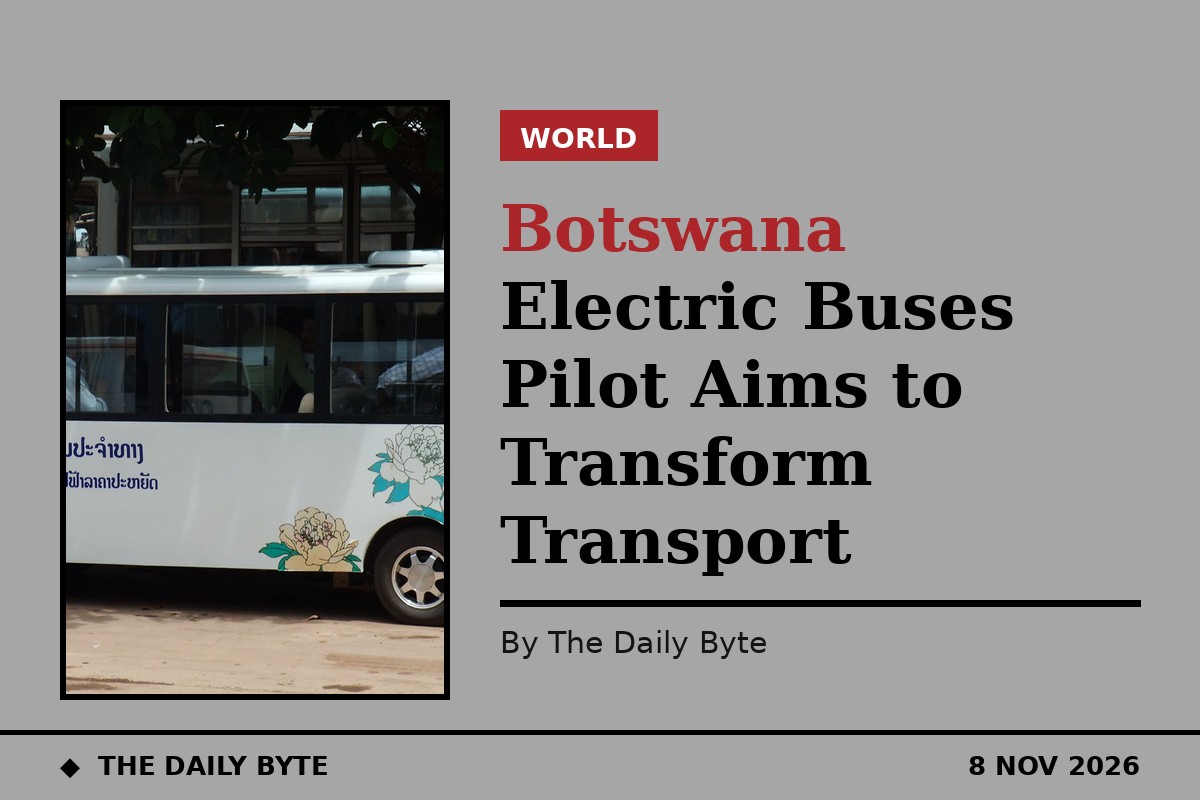
Botswana is banking on electric buses to fix some of the most persistent problems in its public transport system, including unreliable services, rising commuting costs, inadequate infrastructure and pollution from vehicle emissions.
The initiative, known as TANA, is a metro bus and metro rail project being introduced in phases. The first phase focuses on electric buses, while the second will introduce public train services. The government outlined the latest details of the project in an interview with the state Daily News on 4 November.
Transport and Infrastructure Minister Keoagile Atamelang said the five-month pilot was intended to establish whether the public would accept the new model, while allowing the government to assess passenger demand, infrastructure needs and operational requirements before expanding the service.
Of the 10 electric buses procured so far, four are currently deployed on the Phakalane to Game City and Tlokweng to Metsimotlhabe routes in Gaborone as part of the initial pilot. Each bus seats 24 passengers and can carry a further 16 standing, although standing is not permitted during the pilot because existing legislation does not provide for it.
The buses are fitted with air conditioning, Wi-Fi, GPS tracking and CCTV cameras, and the minister said they were designed to be accessible to passengers living with disabilities. Each bus can travel about 250 kilometres on a full charge, with charging taking less than an hour and electricity costing less than P100 per charging session.
The pilot initially ran without a fixed timetable, with buses making random pick-ups so as not to disrupt existing kombi operators. After two weeks of free service, which ended on 1 November, the ministry said it would introduce a schedule while continuing to gather information on passenger demand and route requirements.
The government is also working on a cashless payment system, known as Payless, which is expected to work with various mobile money providers. The system is scheduled for piloting on 14 and 15 November, while simulations are under way to determine affordable fares. Mr Atamelang said the government was considering fares lower than prevailing transport prices, while keeping the service financially sustainable.
The project is being implemented in partnership with the Citizen Entrepreneurial Development Agency (CEDA), which helped procure the buses and will oversee the commercial side, including plans for an Independent Power Producer to list shares. Day-to-day operations are run through Tana Holdings, a CEDA subsidiary, and the fleet is expected to grow progressively from four buses to ten.
The government has stressed that the electric buses are meant to complement, rather than compete with, existing public transport operators. Stakeholders across the sector are expected to participate as shareholders, and the ministry said it had engaged transport associations from the outset so the new system would not disregard the interests of existing operators.
Once the pilot is complete, the government intends to increase the number of buses and create opportunities for workers already in the transport industry, including drivers, conductors and staff who manage schedules. Jobs are also expected in cleaning, mechanics, facility management and trainee programmes.
The Gaborone pilot will serve as the basis for expansion to other towns, particularly Francistown, once the ministry has assessed its performance. Relevant laws will also be considered for amendment to accommodate the new transport model. For commuters who arrive late for work because of long waits and limited services, the test now is whether the pilot can turn a promising launch into a reliable daily service.


