Canada-US trade deal talks resume as Greer confirms contact
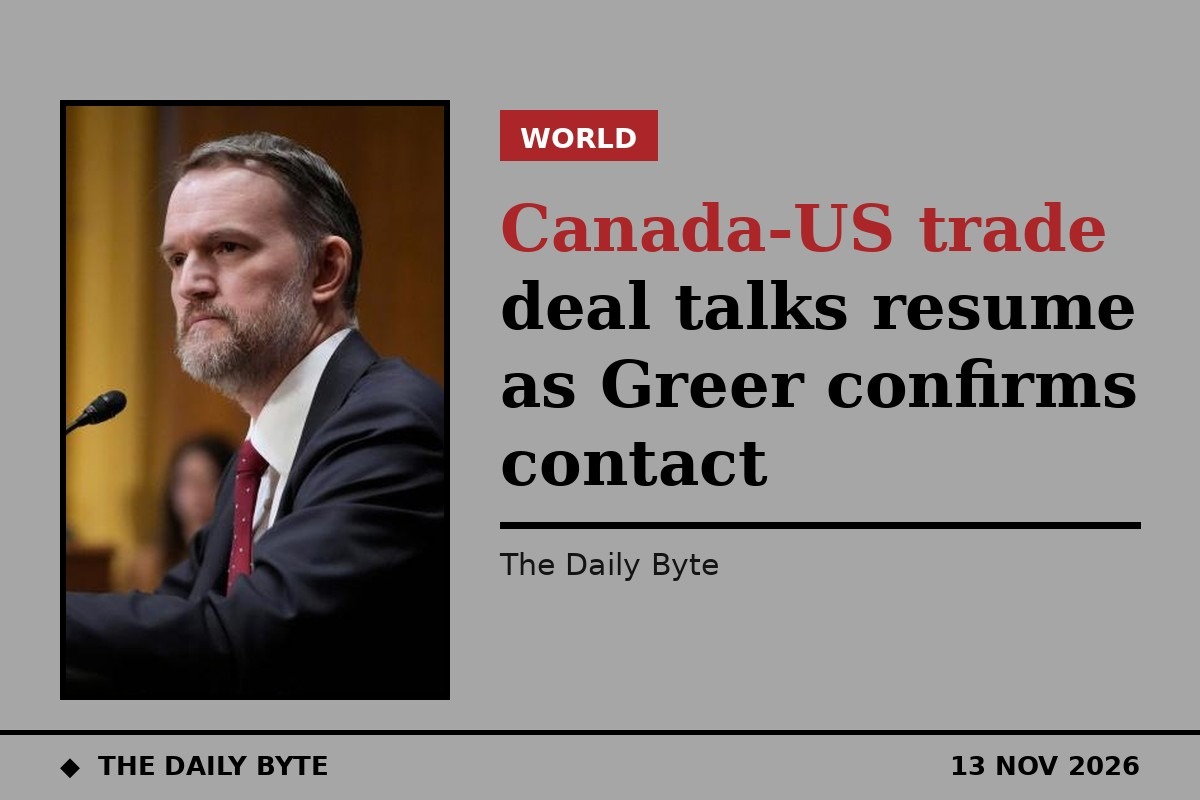
The United States and Canada have spoken within the past few days about a potential trade deal, US Trade Representative Jamieson Greer has said, in the first public sign of renewed momentum in the troubled trade relationship between the two neighbours.
Speaking to CNBC on Thursday, Greer said the two sides were working towards what he described as a mutually beneficial agreement. He declined to put a date on any deal, saying that getting the substance right mattered more than speed.
“The substance of the deal is more important than a timeline,” Greer said in an interview on CNBC’s Squawk Pod programme.
He added that President Donald Trump and Canadian Prime Minister Mark Carney speak regularly, and confirmed that Washington was actively working on an agreement with Ottawa.
Free trade hopes and supply chains
Greer acknowledged that Canada would prefer a return to the open trading terms of the past, but said the United States was focused on protecting its supply chains in any new arrangement.
“Canada would love to go back to how things used to be, where there’s just unfettered free trade between our two countries,” he said. “But we certainly are working on it.”
His remarks follow a prediction from Pete Hoekstra, the US ambassador to Canada, that a trade deal between the two countries could be reached before the end of 2026. Greer did not endorse that timetable, but neither did he rule it out.
The comments will be watched closely by businesses on both sides of the border. Canada is the largest buyer of American goods, and the United States is by far Canada’s biggest export market, so even small changes in tariffs can have outsized effects on jobs, prices and investment.
Talks collapsed in the summer
An earlier round of negotiations broke down in the summer, leaving a series of US tariffs in place on Canadian goods, including steel, aluminium and vehicles. The collapse soured relations between the two governments and left exporters facing months of uncertainty.
Carney has since sought to rebuild the relationship, holding regular calls with Trump and pressing for tariff relief on Canadian-made goods. Trump, for his part, has repeatedly said he wants a deal that he considers fair to American workers and manufacturers.
Greer also used the interview to defend the administration’s tariff policy, arguing that essential goods such as gas, oil and food remain exempt from the levies. Critics of the tariffs, including many US importers and some lawmakers, say the duties have pushed up prices for American consumers and businesses.
What happens next
Neither side has said when the next formal round of talks will take place, or what shape a deal might take. Any agreement would need to cover the most contentious areas: tariffs on cars, steel and aluminium, access for agricultural products, and rules on trade with third countries.
For now, Greer’s comments suggest the door to a deal remains open, even if the path to it is far from settled. Businesses and workers in both countries will be hoping the renewed contact leads to something concrete before the year is out.
Source: Reuters; CTV News