Cape Verde votes as Neves seeks second term
Cape Verde votes for president today, with incumbent José Maria Neves seeking a second term against five challengers, including the first woman to contest the presidency since the country gained independence in 1975.
Polls opened at 8am local time (0900 GMT) and close at 6pm (1900 GMT). Six candidates are on the ballot, and official provisional results are expected within two or three days. A candidate must win more than half of the valid votes to be elected in the first round; if no one reaches that threshold, the two leading candidates will contest a run-off on 29 November.
Neves, 66, served as prime minister for 15 years before becoming president in 2021. He is a member of the African Party for the Independence of Cape Verde (PAICV), the country's oldest political party, which won 37 of the 72 seats in legislative elections in May, allowing Francisco Carvalho to become prime minister. Analysts have tipped Neves to perform best among the six candidates.
His strongest challenger is Joana Rosa of the Movement for Democracy party, a former justice minister. The party governed for 10 years before the May legislative vote. Rosa is the first woman to run for president since independence in 1975, and her candidacy has drawn attention well beyond the archipelago.
Jobs and emigration dominate the campaign
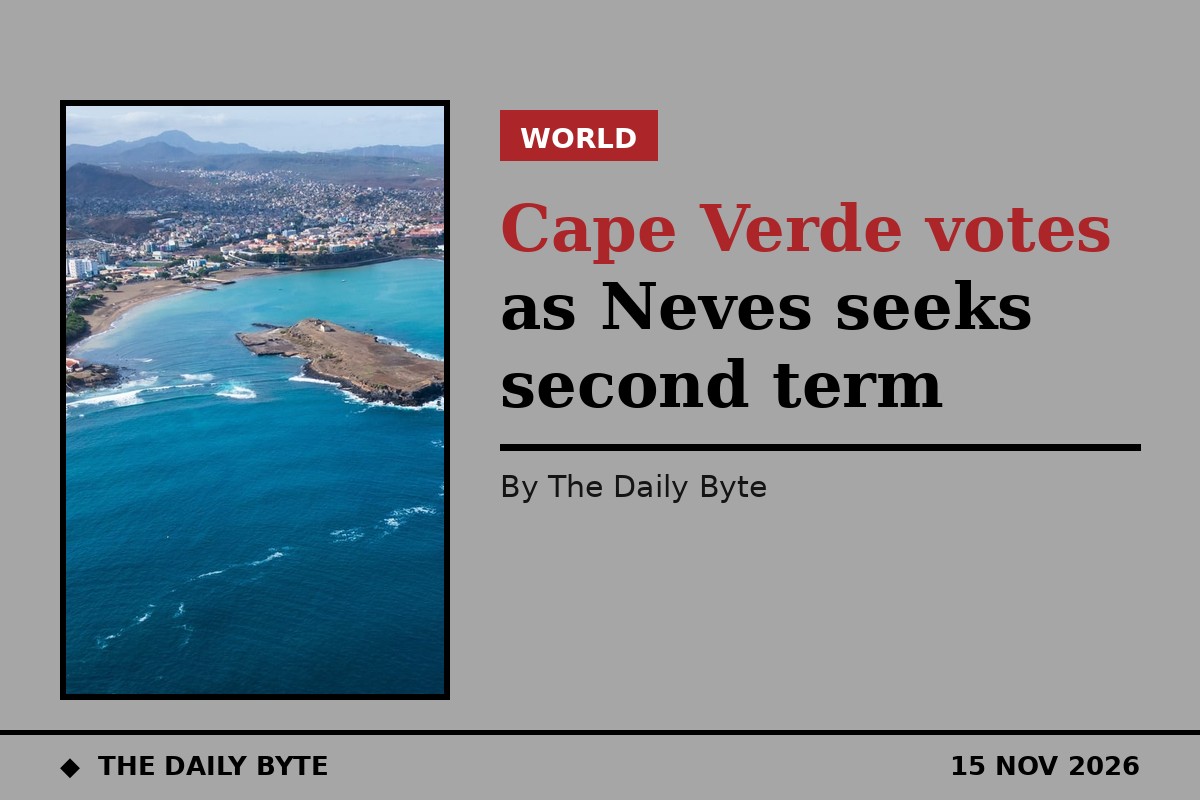
The campaign has been dominated by the need to create more jobs for young people and to slow persistent emigration. Cape Verde, situated more than 600 kilometres west of mainland Africa, is home to only around 500,000 people, with a larger number of Cape Verdeans living overseas, mainly in the United States and Portugal.
Neves has vowed to organise a youth summit during a second term. Rosa has said the government should make it possible for young people to build their futures at home and prevent the continued exodus of young Cape Verdeans abroad.
The National Elections Commission says 419,448 voters are registered for the election, including 76,383 living abroad. The general count is due to begin on Monday 16 November.
A stable democracy in a volatile region
Cape Verde is known for its stability in a politically volatile region. Under its hybrid parliamentary-presidential model, the president has veto authority and a mediating role in politics, while day-to-day government rests with the prime minister.
The archipelago, a tourism destination, hit the headlines this year when its men's football team reached the World Cup knockout stage. That sporting success has added to national pride, but the election debate has stayed firmly on the economy and on keeping young people at home.
Whoever wins will face the same challenge: turning a tourism-led recovery into lasting work for a generation that has too often looked abroad for opportunity. The result, when it comes, will show whether voters believe Neves deserves more time to deliver on that promise, or whether they want a new direction under Rosa.
Sources: Reuters and Al Jazeera.