CENTCOM chief visits Hormuz and says transit routes are clear of Iranian mines
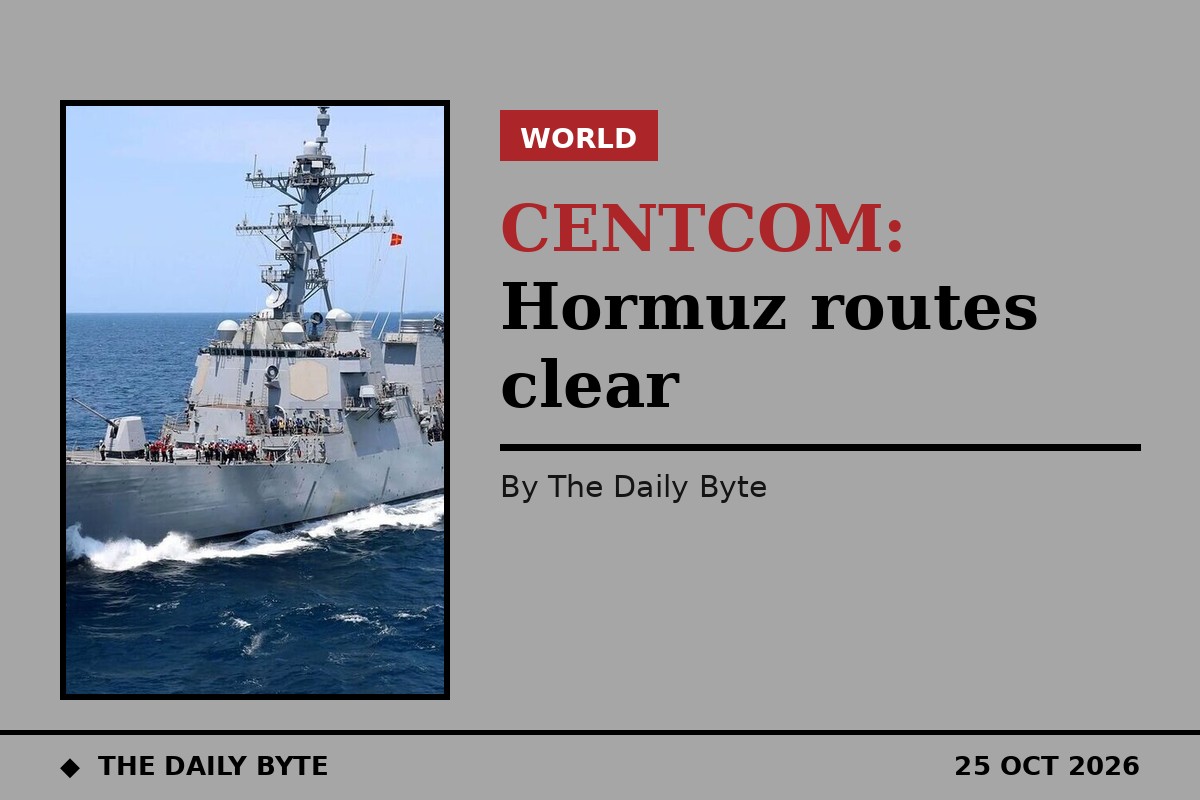
US Central Command commander Admiral Brad Cooper flew over the Strait of Hormuz on 25 October to personally confirm what the US military is calling a hard-won operational success: the world's most critical oil chokepoint is clear of Iranian sea mines, with more than 1.5 billion barrels exported and more than 3,000 commercial vessels transited safely in six months.
What CENTCOM said
Cooper flew over the international waterway aboard a US Army CH-47 Chinook helicopter to assess the operational environment, met US service members involved in the mine clearance mission and acknowledged their efforts. "Today, primary transit routes in the Strait of Hormuz remain free and clear of Iranian sea mines thanks to incredible efforts by our people," Cooper said. "We remain intensely focused on keeping commercial traffic flowing as we work with our teammates in the US interagency, Gulf Cooperation Council, and shipping industry." He added that the visit underscored a strong commitment to continued freedom of navigation through the strait.
Why it matters for oil and shipping
The strait carries around a fifth of the world's petroleum liquids and about 30% of liquefied natural gas shipments, so any threat to transit there feeds directly into oil prices and inflation expectations. Brent crude closed the week near $117 a barrel as Middle East supply fears persisted, even as US officials said Gulf oil exports had broadly recovered. Cooper's visit is therefore both an operational claim and a signal to shippers and markets that the US intends to keep the waterway open — a claim Tehran disputes, insisting it retains authority over the strait and that its management will never return to how it was before the war.