Duchess of Edinburgh Begins Bangladesh Visit
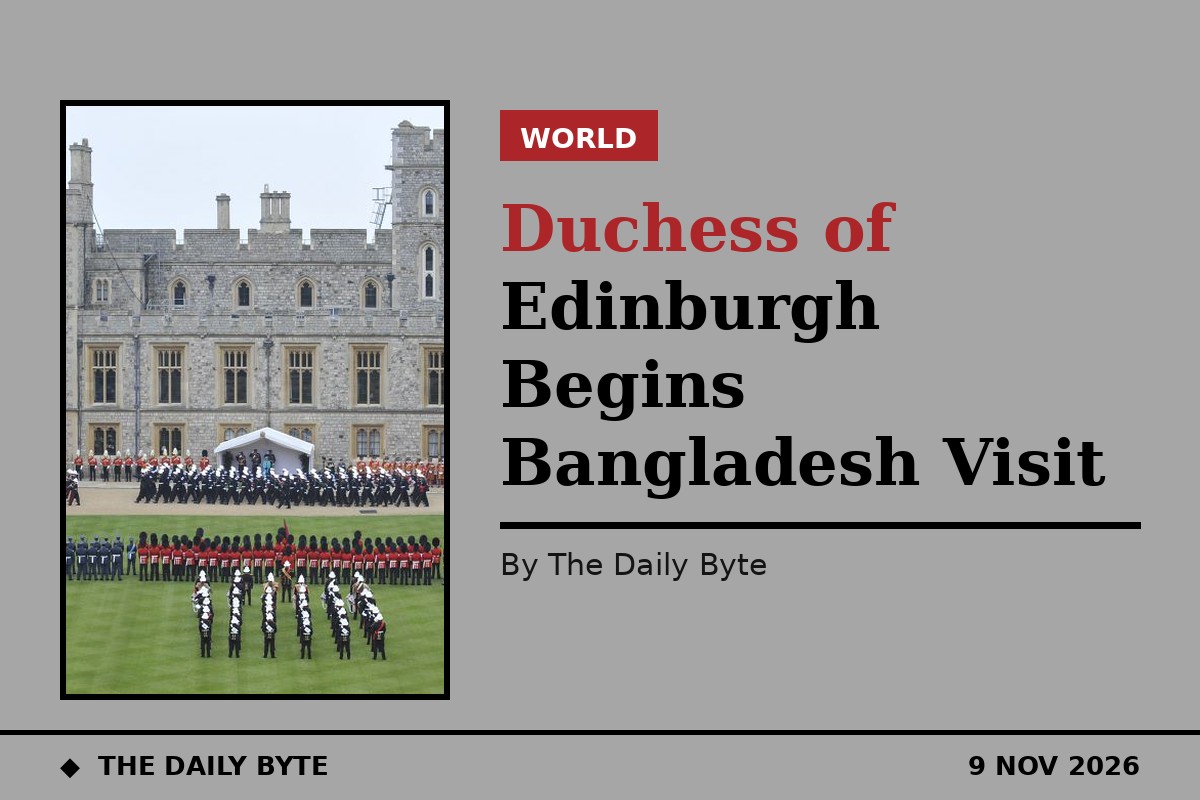
Sophie, Duchess of Edinburgh, begins a three-day official visit to Bangladesh today, with women and girls, peacekeeping and support for Rohingya refugees at the centre of her programme.
The visit, from Monday 9 November to Wednesday 11 November, was announced by Buckingham Palace through Royal Communications on 7 November. The Duchess is travelling at the request of the Foreign, Commonwealth and Development Office, and the trip is her sixth international visit of the year.
In Dhaka, the Duchess will meet President Mirza Fakhrul Islam Alamgir and Dr Zubaida Rahman, the Prime Minister's spouse, to discuss shared interests in the welfare, protection and empowerment of women and girls. The meetings open a programme built around the strength and breadth of the UK-Bangladesh partnership, which the Palace said her engagements are designed to reflect.
She will visit the Bangladesh Institute of Peace Support Operation Training, known as BIPSOT, to learn about Bangladesh's contribution to United Nations peacekeeping and to highlight the importance of women's participation in peace and security. Bangladesh is one of the largest contributors of troops to UN peacekeeping missions, and the visit will put a spotlight on the role women play in that work, from training through to deployment.
Sport will also feature in the programme. At the Bangladesh Krira Shikkha Protishtan, the country's national sports institute, the Duchess will meet young athletes, including female hockey players, in a visit intended to show how sport creates opportunities for women and girls and builds confidence and leadership among young people.
The Duchess will join young people at an event marking 75 years of the British Council in Bangladesh, celebrating education and cultural exchange between the two countries. The anniversary event will bring together young Bangladeshis involved in the Council's programmes, with women's empowerment and education among the themes.
Later in the visit she will travel to Cox's Bazar, where she will see the work of organisations supporting Rohingya refugees. She will hear about protection and support services for women, girls and families affected by displacement, and about efforts to strengthen resilience and leadership within refugee communities, alongside rehabilitation, protection and inclusion services that help displaced women and children build their futures.
The focus on women and girls runs through every part of the visit, from peacekeeping training and sport to education and refugee support. Her last visit to Bangladesh was in 2017, and the return trip comes as the two countries continue to deepen cooperation on development, education and humanitarian work.