No-driveway EV drivers get 2p-a-mile home charging
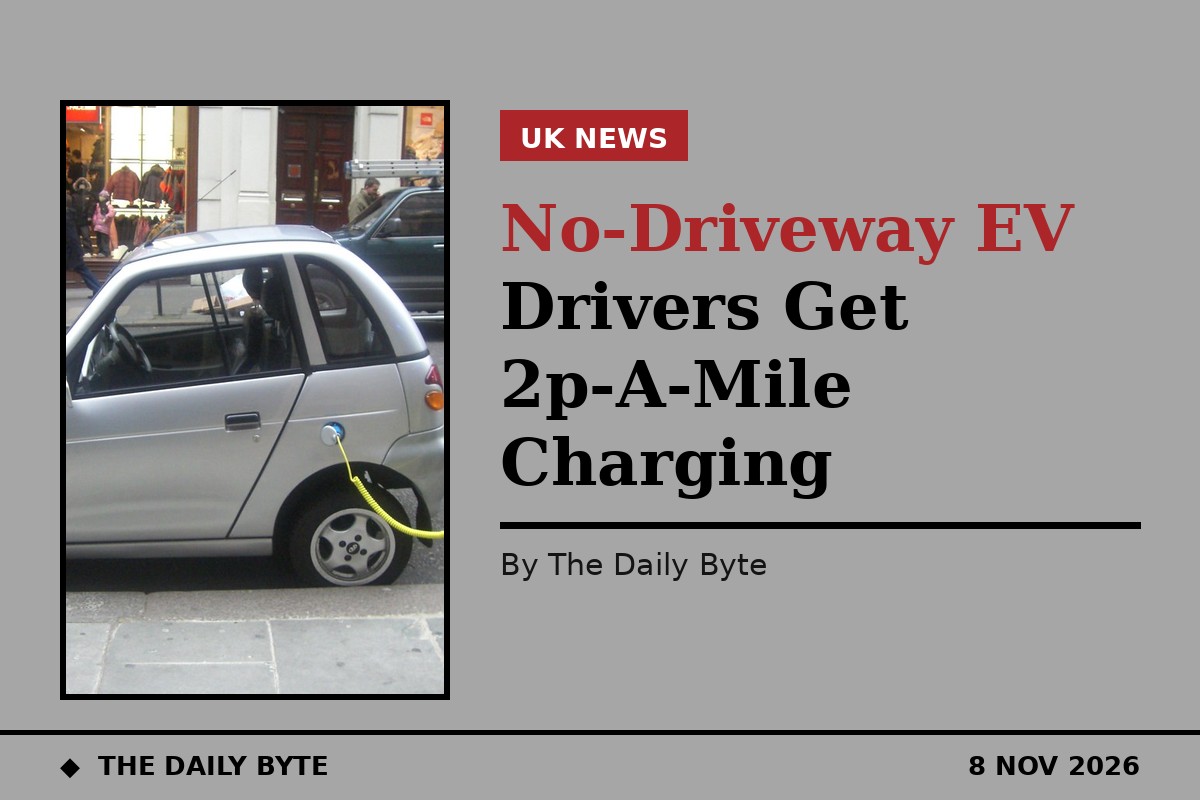
Drivers without a driveway can now charge an electric car at home for as little as 2p a mile, after the Government removed the need for planning permission to install cross-pavement chargers in England.
From 21 October, homeowners no longer need planning permission for a pavement channel that carries a charging cable from their home to a car parked at the kerb. The Department for Transport said the change saves drivers up to £300 on installation and opens up home charging at domestic electricity prices, with running-cost savings of up to £1,750.
The move matters because home charging is far cheaper than public charging. VAT on domestic electricity was cut from 5% to zero on 1 October and extended in the Autumn Budget until July 2027. On a smart off-peak tariff, that can bring home charging down to about 2p a mile, while public chargers still carry 20% VAT.
An independent review of public charging costs, published on 28 October and led by Philip New, put a driver using a mix of public chargers at 17p to 20p a mile, against 8p to 12p for one who charges mostly at home. Petrol cost 22p a mile at September prices. Around a third of drivers have no driveway of their own.
The Budget also committed £100 million over two years from spring 2027 to cut costs at local public chargers, worth about £150 a year to a typical on-street driver. Motoring groups welcomed the change but want the VAT cut extended to public charging, so drivers who cannot charge at home are not left paying more for the same electricity.
Councils still decide whether a channel can go in outside each home, as the work needs highway authority authorisation, and conservation areas and listed buildings are excluded.