Fed expected to hold rates on 28 October as markets look to December hike signal
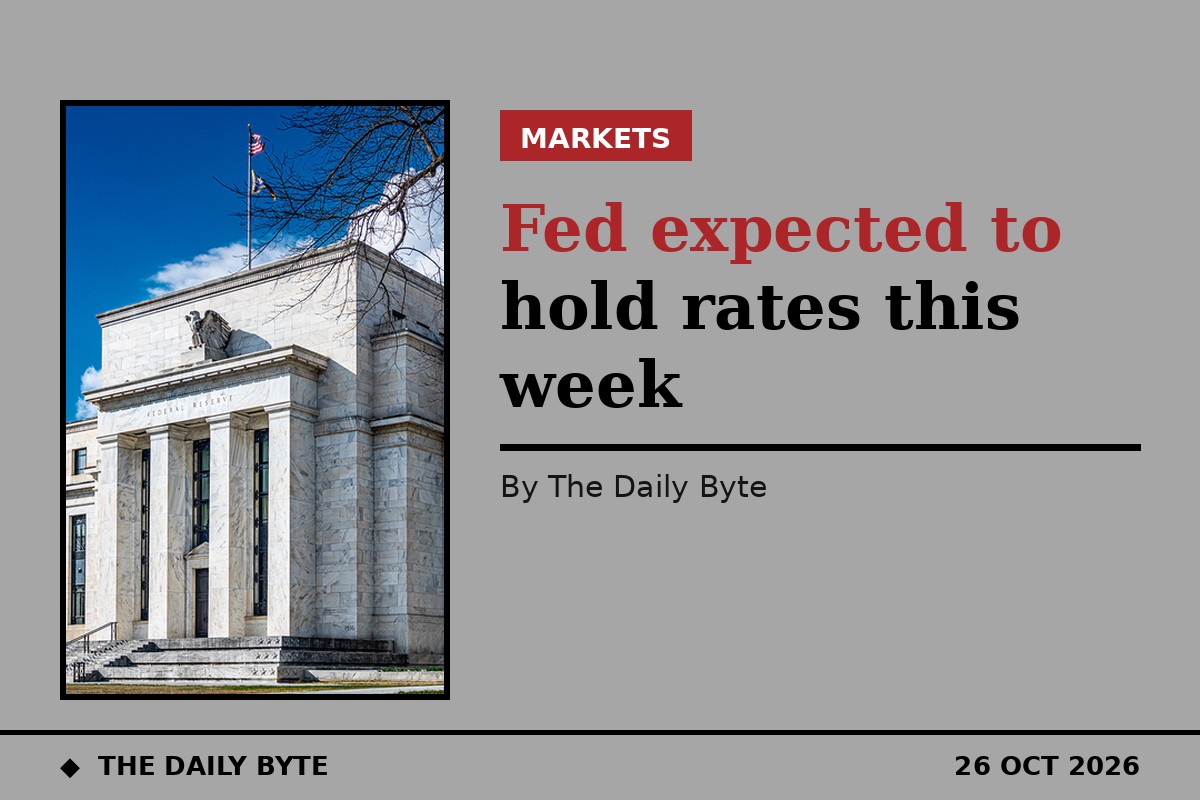
The US Federal Reserve is widely expected to hold interest rates steady when it concludes its meeting on 28 October 2026, leaving its target range at 3.75% to 4.00%. A Reuters poll of economists reported on 20 October found that 94 of 100 respondents expected no change at the October meeting, while all 100 expected a rate rise in December.
The meeting follows a 25-basis-point increase in September, the first rise since 2023. Officials have since sounded patient: New York Fed President John Williams has said there is no need for urgency on another increase, while Chair Kevin Warsh has declined to signal the outcome in advance.
Why December matters more than October
For markets, the October decision is less about the rate itself and more about the language around it. Investors will parse the statement, the vote count and the press conference for clues on whether December remains the likely timing for the next move. Market pricing cited in previews put the chance of an October hold at roughly 83% to 92%, with a December hike as the base case.
Inflation is central to that debate. Core PCE inflation was reported at 3.0% in meeting previews, while headline inflation was cited at 3.7% in some forecasts, both above target. A weak September jobs report, showing only 29,000 new jobs, argues for patience, while firmer prices argue for keeping tighter policy on the table.
Bond yields stay elevated
Bond markets have already reflected that tension. The US 10-year Treasury yield was reported at 4.97% to 4.99% on Monday, near recent highs, after surging to multi-decade highs on 7 October before easing. Higher yields raise borrowing costs and lift the return on holding bonds rather than riskier assets, leaving equities sensitive to shifts in rate expectations.