Fung-wong aftermath: two dead as 1m flee Luzon
Super Typhoon Fung-wong, known locally as Uwan, made landfall at Dinalungan in Aurora province at 9:10pm on Sunday with sustained winds of 185 kilometres per hour and gusts of up to 230, the state weather bureau PAGASA said. It was the 21st tropical cyclone to reach the Philippines this year, and the biggest storm to threaten the archipelago in years.
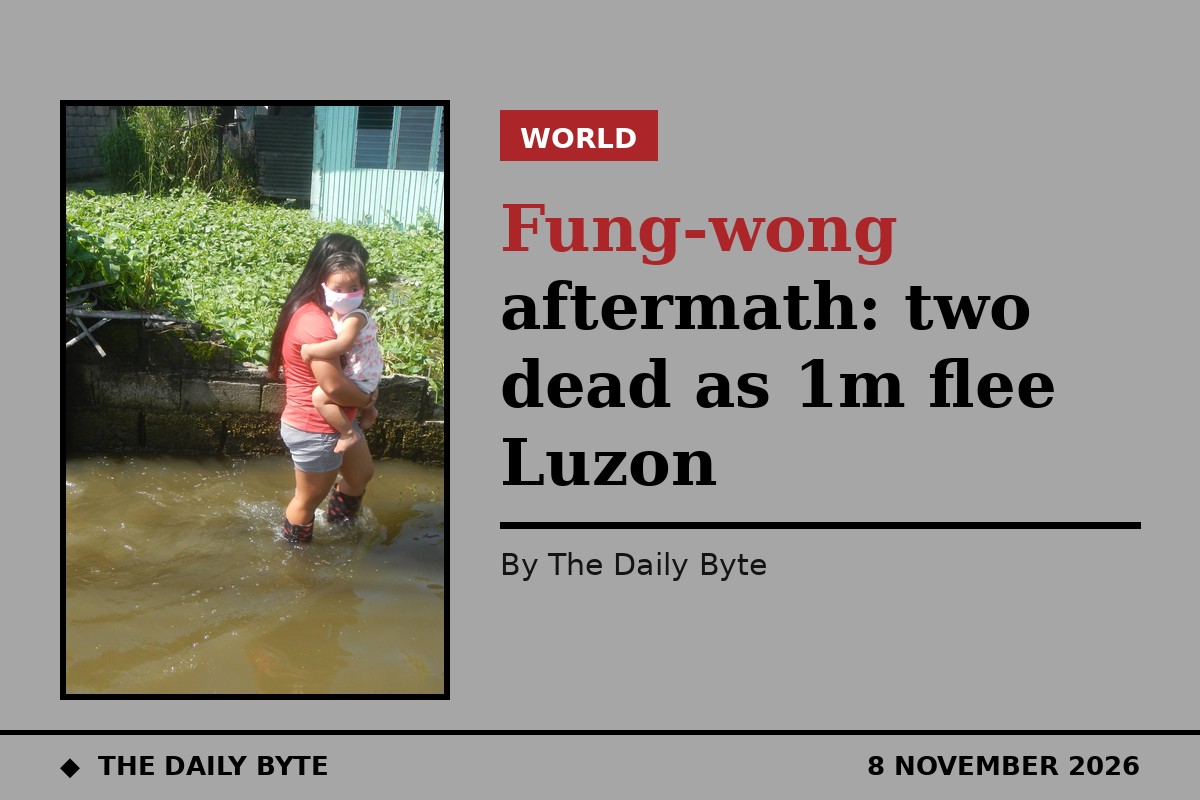
At least two people were killed as the storm crossed northern Luzon: a villager drowned in flash floods in Catanduanes, and a woman died in Catbalogan City in Eastern Samar after being hit by debris, officials said. More than a million people were moved out of flood- and landslide-prone areas, and the highest warning, Signal No. 5, was in force across parts of northern Luzon, while Metro Manila was under Signal No. 3.
The storm tore roofs from houses and brought down trees and power poles. In Isabela province, the cities of Santiago and Cauayan reported damaged homes and roads blocked by debris, and landslides cut off upland and coastal communities. Rescue teams began clearing operations at first light, with the typhoon expected to emerge over Lingayen Gulf on Monday morning and more heavy rain still to come.
At least 325 domestic and 61 international flights were cancelled over the weekend and into Monday, more than 6,600 commuters and cargo workers were stranded in seaports, and authorities warned of storm surges of more than three metres along the coasts of more than 20 provinces, including metropolitan Manila. Schools and most government offices in northern provinces were shut for Monday and Tuesday.
Fung-wong arrived only days after Typhoon Kalmaegi killed at least 224 people in the central Philippines, according to the Associated Press, before killing five more in Vietnam. President Ferdinand Marcos Jr has declared a state of emergency. After leaving Luzon, the storm was expected to turn north-east over the South China Sea, placing southern and eastern Taiwan under threat later this week.