G20 Ends in Atlanta Without Joint Statement on Wars
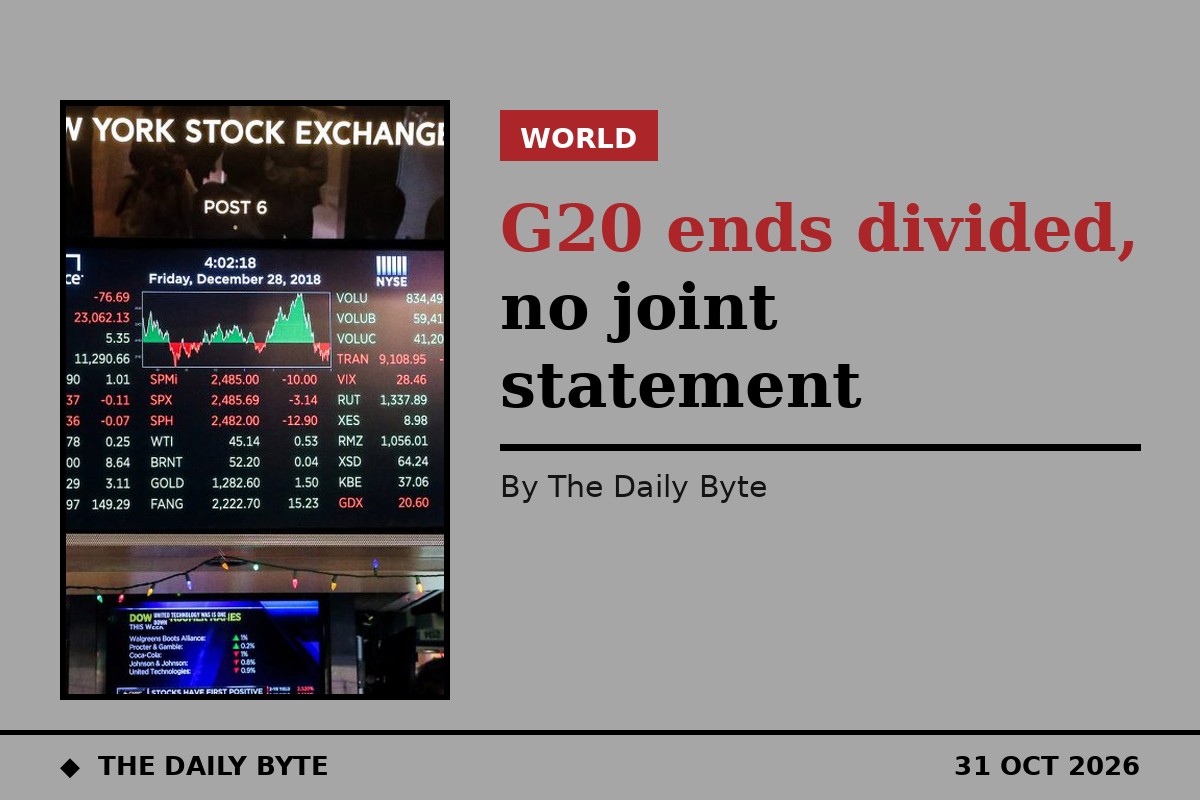
Foreign ministers from the world's largest economies are wrapping up two days of talks in Atlanta on Saturday without agreement on the biggest security questions before them, diplomats said. The Group of 20 will not issue a joint communique. Instead, United States Secretary of State Marco Rubio, chairing the meeting under the American G20 presidency, will publish a chair's summary of the discussions.
Divisions that blocked consensus
The meeting was meant to return the G20 to its core economic mission, covering energy, food security, supply chains and freedom of navigation in the Strait of Hormuz, the Red Sea, the Black Sea and the South China Sea. Instead, divisions over Russia's war in Ukraine and the conflict involving Iran dominated the opening sessions. The tensions were visible on Friday, when Rubio cancelled the traditional group photograph after European diplomats objected to the inclusion of Russian Foreign Minister Sergei Lavrov and threatened to boycott it. Lavrov attended in a rare visit to the United States since 2022, while China sent a deputy minister rather than its foreign minister, and South Africa and Ukraine were not invited.
What happens next
The Atlanta talks were intended to prepare the ground for a leaders' summit in Miami on 14–15 December. Ministers also held sideline meetings, including Quad talks involving the United States, India, Japan and Australia. Poland's foreign minister, attending as a guest for the first time, said he was not surprised by the failure to reach consensus. Without a shared statement, the summit in December will inherit the same unresolved arguments over war, sanctions and shipping routes.