Google smartwatch AI spots high blood pressure, study finds
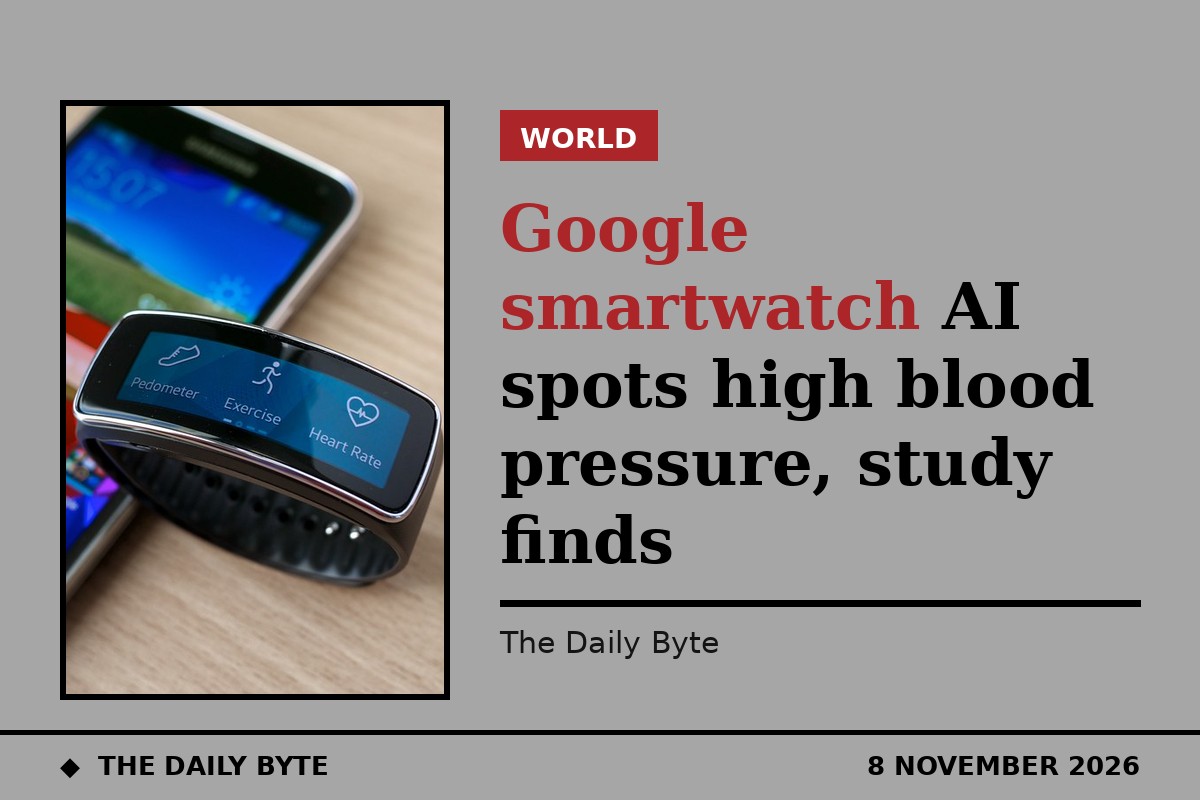
An artificial intelligence system reading data from an ordinary smartwatch can flag signs of high blood pressure without a cuff, according to a peer-reviewed study published in Nature on 5 November. The work comes from Google Research, with collaborators at Beth Israel Deaconess Medical Center and Harvard Medical School.
The system, called AI-PPG-ACC-HTN, combines photoplethysmography, the optical pulse sensor used for heart-rate tracking, with accelerometer data and the wearer's height. It does not try to produce systolic and diastolic numbers, and it needs no cuff calibration. It was first trained without medical labels on nearly 500,000 hours of sensor data from 2,109 people.
Tested against the clinical standard
The system was then tested on 196 adults at five sites in the United States, who wore a Pixel Watch 3 for about a week while also completing 24-hour ambulatory blood pressure monitoring, the clinical reference standard. Over seven days of everyday wear, the watch correctly flagged 65.8 percent of people with hypertension and correctly cleared 90.0 percent of those without it.
That sensitivity was slightly higher than a single office blood pressure check in the same participants, which caught 55.3 percent of cases, also with 90.0 percent specificity. The researchers note the difference was not statistically significant, so the watch is best described as comparable to office screening, not better than it.
Screening prompt, not a diagnosis
Google describes the work as early feasibility research and says the system is meant to prompt at-risk people towards clinical assessment, not to replace a cuff or stand in for a diagnosis. The validation group excluded people with known heart disease or those already taking blood pressure medication, and there is no announced regulatory clearance for a hypertension screening feature.