GPs Face Contract Loss Over 8am Phone Scramble
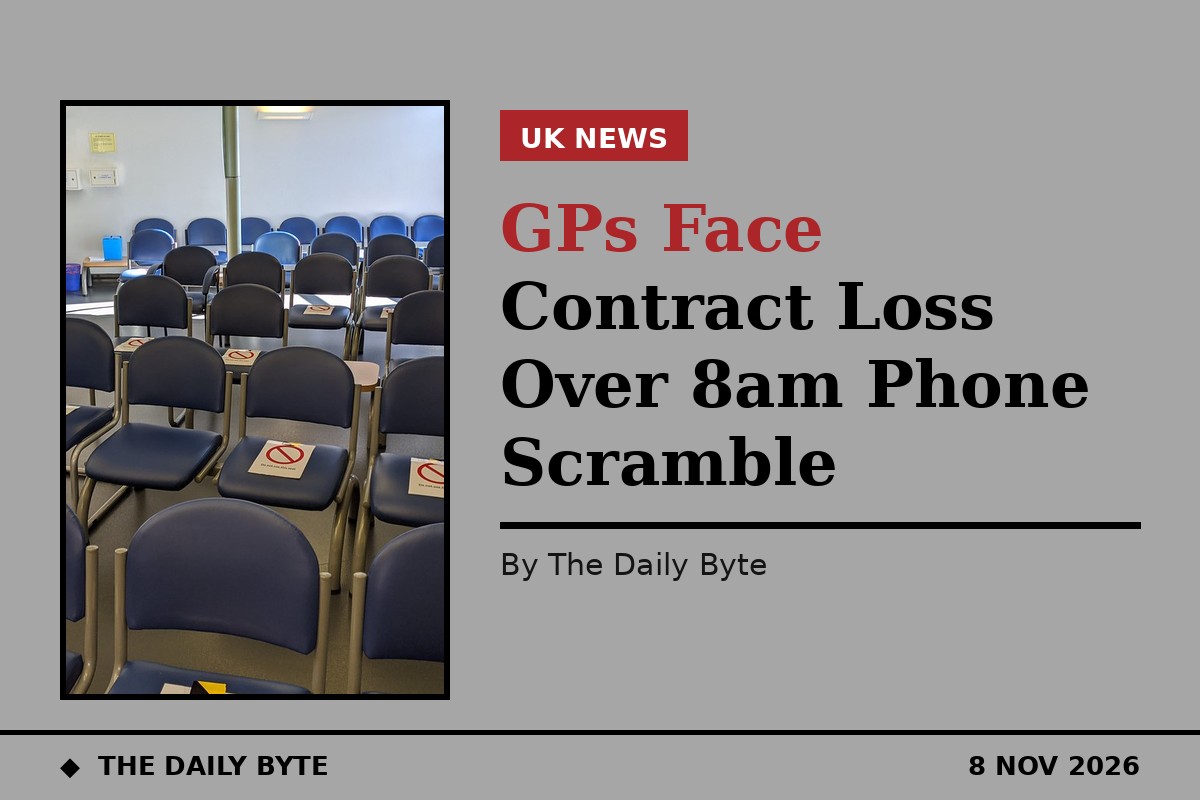
GPs in England that refuse to offer online appointments face losing their NHS contracts, after ministers issued a final warning over the daily "8am scramble" for appointments. Care minister Stephen Kinnock told regional NHS leaders this week that practices which do not meet their new contractual duties will face formal action.
In a call with leaders of England's integrated care boards on Monday, Mr Kinnock set out the consequences for surgeries that fail to comply. The government confirmed the "constructive call" in a press release, saying practices could face warning notices and sanctions, and in serious cases could have their NHS contracts ended.
The warning is the latest step in the government's drive to end the morning rush, in which patients ring at 8am and find phone lines engaged or are told to call back the next day. Since 1 October, GP practices in England have been required to keep their online consultation tools open throughout core hours, from 8am to 6.30pm, so patients can request appointments, ask about medication or raise admin queries online, by phone or in person.
Under the system, patients describe their condition and the practice is expected to respond within one working day, offering a GP appointment, a referral to a pharmacist or another NHS service, or self-care advice in a minority of cases. Ministers say the change is designed to free up phone lines for older patients and others who need them most.
Mr Kinnock said: "In the 21st century, patients want and rightly expect to be able to contact their GP online. We know that for the first time ever, more patients are contacting their GP practice online than by phone." He said the government had invested £1.1 billion in general practice and recruited 2,500 more GPs, adding that "the tools and resources are there to deliver a modernised service fit for the future".
The British Medical Association has threatened to raise a dispute over the changes, arguing that there are not enough doctors to deliver them. The union wants practices to keep the ability to divert online consultation requests to telephone and walk-in options when they are overwhelmed, a step the government says leaves many patients struggling to get through.
Professor Kamila Hawthorne, chair of the Royal College of GPs, said most practices had already put online booking systems in place and many patients found them convenient. She added, however, that the systems did not work well for everyone and that practices facing outdated digital systems or stretched resources needed "practical support and investment, not censure".
The row has been running since the contract change took effect. Health Secretary Wes Streeting used his speech at the Labour Party conference in September to describe the BMA as the "forces of conservatism", saying it would "turn the NHS into a museum of 20th century healthcare". The government says the change was agreed with the BMA in April 2025, a claim the union disputes.
Early evidence suggests patients are embracing the digital route. Almost six million online submissions were made in July 2025, compared with 3.4 million in July 2024, and polling by the Health Foundation and Ipsos in September 2025 found that making it easier to get a GP appointment was the public's top priority for the NHS. One London surgery that adopted all-day online access reported cutting waits from 14 days to three, with 95% of patients seen within a week.
Integrated care boards will now be expected to act against practices that refuse to comply, with ministers insisting that the remaining surgeries must bring their online services up to standard.