IMF Warns Pakistan Recovery Exposed to Shocks
Pakistan's economic recovery continues, but it remains exposed to external shocks, the International Monetary Fund's (IMF) Resident Representative in Pakistan, Mahir Binici, has warned, urging the government to press ahead with structural reforms.
Speaking at the 6th Pakistan Prosperity Forum, organised by the PRIME Institute in Islamabad on Thursday, Binici said Pakistan's GDP growth was projected at 3.5 per cent in fiscal year 2027, while inflation was expected to remain around 8 per cent. He also projected that the current account deficit could rise to 0.8 per cent of GDP, while public debt was declining after the achievement of a primary surplus of 2 per cent of GDP, The News reported.
Stable but stuck
Binici said Pakistan had regained macroeconomic stability, but its weak growth was structural. Real per capita income was increasing by about 1.6 per cent a year, while investment remained below 13 per cent of GDP. “Stabilisation is necessary, but not sufficient,” he cautioned.
The Fund's latest World Economic Outlook, released on Tuesday, paints a tougher picture on prices. It raised the IMF's inflation forecast for Pakistan to 9.9 per cent for the current fiscal year, up from 8.4 per cent projected in April and maintained in July, and above the government's target of 8.2 per cent, HRNW reported. The growth forecast was maintained at 3.5 per cent, and the current account deficit estimate was revised to 1 per cent of GDP, equivalent to about $4.4 billion. The two inflation figures reflect different IMF publications: Binici was citing the Fund's regional study at the forum, while the 9.9 per cent figure is the latest published World Economic Outlook forecast.
During recent negotiations, Pakistani officials sought to convince the IMF that the country could achieve its 4 per cent annual growth target. Finance Minister Muhammad Aurangzeb has also expressed confidence that economic growth will exceed 4 per cent.
Five priorities for reform
Binici outlined five key priorities: adopting a growth-friendly tax system; reforming trade and foreign exchange financing; improving energy efficiency; strengthening governance and reforming state-owned enterprises; and improving the business environment. Tax reforms, he said, should increase revenue while minimising distortions and reducing compliance costs. He also defended the tight monetary policy adopted by the State Bank of Pakistan, arguing that price stabilisation remained the central bank's primary objective.
No answer on a new programme
Binici declined to comment on the possibility of securing a fresh loan from the IMF after the expiry of the existing arrangement. Asked about a new programme in the wake of fiscal slippages and an increase in the trade deficit so far in fiscal year 2027, he did not respond. Minister of State for Finance Bilal Azhar Kayani also evaded the question.
Other speakers at the forum took a blunter view. Supply-side economist Rizwan Rawji called for lower tax rates on a broader tax base, restraint in public spending and privatisation, and said the IMF programme was anti-growth and bound to increase the debt burden. Louie Dane, Senior Economic Adviser at the British High Commission, said Asian Development Bank research suggested Pakistan could sustain annual growth of only around 3.8 per cent before imports began to outpace exports.
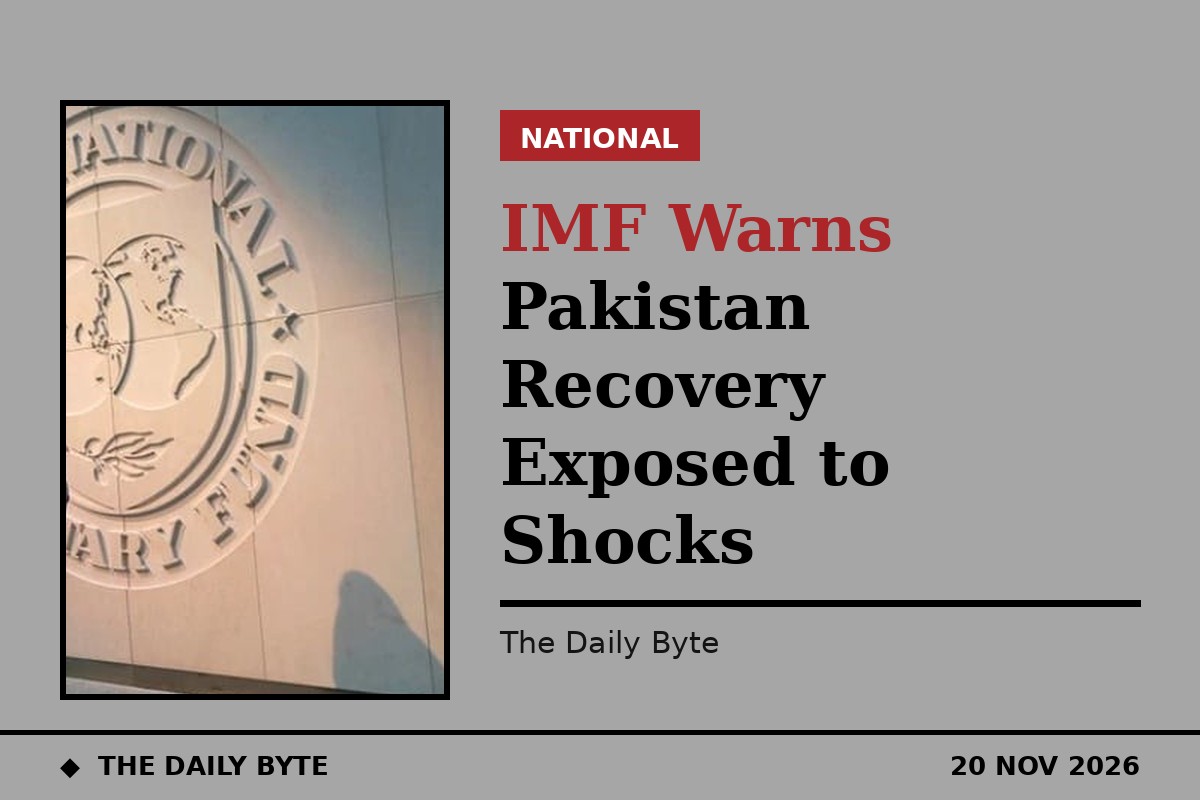
Dr Ali Salman, chief executive of the PRIME Institute, proposed five economic governance reforms he said Pakistan could implement without foreign loans for technical assistance. They included replacing the Planning Commission with a Growth and Reforms Commission; reducing the General Sales Tax to 5 per cent across the board, without exemptions; offering federal secretaries three-year contracts at no less than three times their current salaries; harmonising business regulations across provinces; and abolishing the Economic Coordination Committee. He also proposed a new Protection of Economic Reforms Act in 2027. The photograph accompanying this report is a file photograph of a man walking past the IMF logo at its headquarters in Washington in May 2018.