Iran's infiltration bill exposes internal divisions as Qalibaf warns draft goes too far
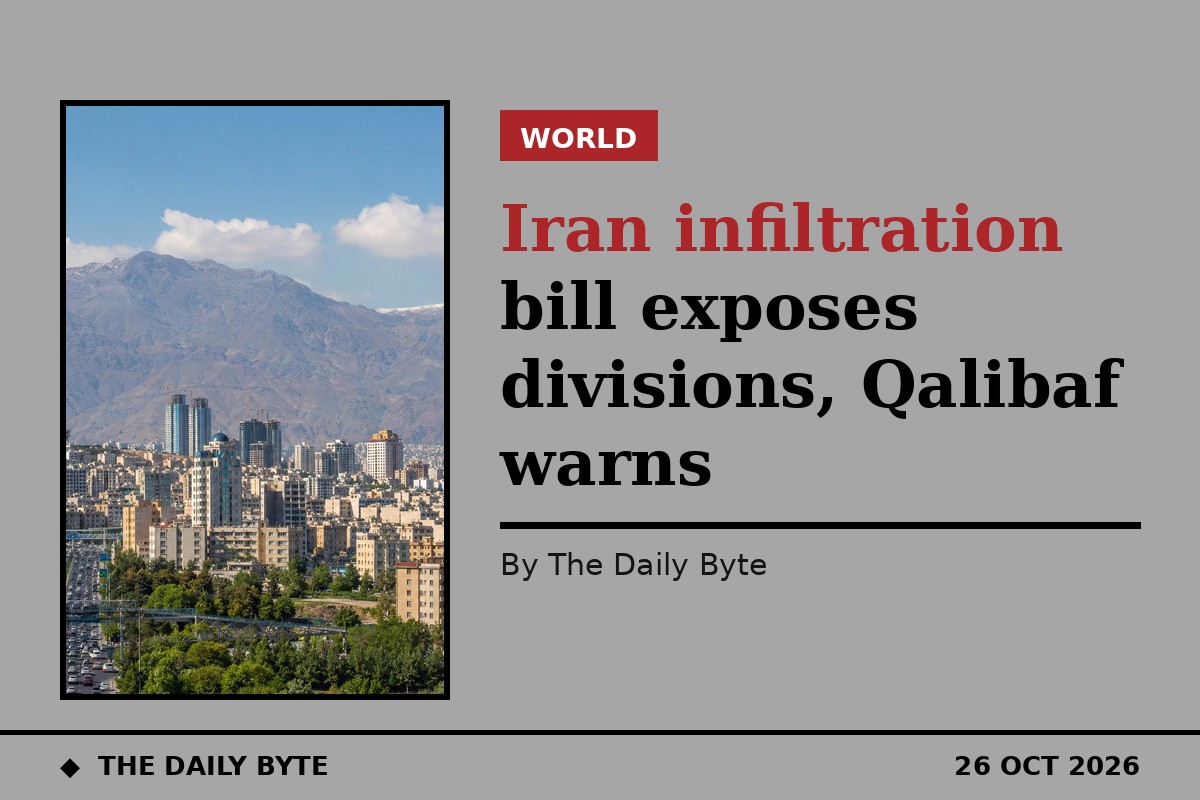
Iran's parliament is trying to turn fears of foreign infiltration into law, but the debate is exposing an awkward question for the Islamic republic: how far should the state go in policing Iranians' contact with the outside world? Radio Free Europe / Radio Liberty reported the divisions in its live coverage of the region.
Qalibaf's balancing act
At the centre of the debate is Parliament Speaker Mohammad Baqer Qalibaf, who has defended the need for tougher measures against foreign infiltration while warning that the current draft of the legislation goes too far. Qalibaf said no patriot opposes countering foreign infiltration, but lawmakers needed to ensure that people's rights, their lives and their trade were not affected.
He said security agencies may need to be able to vet Iranians' contacts with foreigners, but that they cannot demand permission at every stage. The tension in his position captures the wider argument: supporters of the bill frame it as a wartime security measure, while critics worry it would give the state sweeping control over ordinary contact with the outside world.
Why the bill matters now
The legislation is being debated during a wartime security crackdown, when the authorities' concern about infiltration is at its height. That context makes the bill politically difficult to oppose in principle, but also raises the stakes of getting its scope wrong, since a law written for a security emergency can outlast the emergency itself.
The bill has not yet been described in the reporting as final law, and its exact provisions remain subject to parliamentary debate. What is clear from the debate so far is that even inside the system, there is disagreement about where legitimate security vetting ends and excessive control over citizens' lives begins.