Japan confirms first bird flu case of season in Kyoto and culls
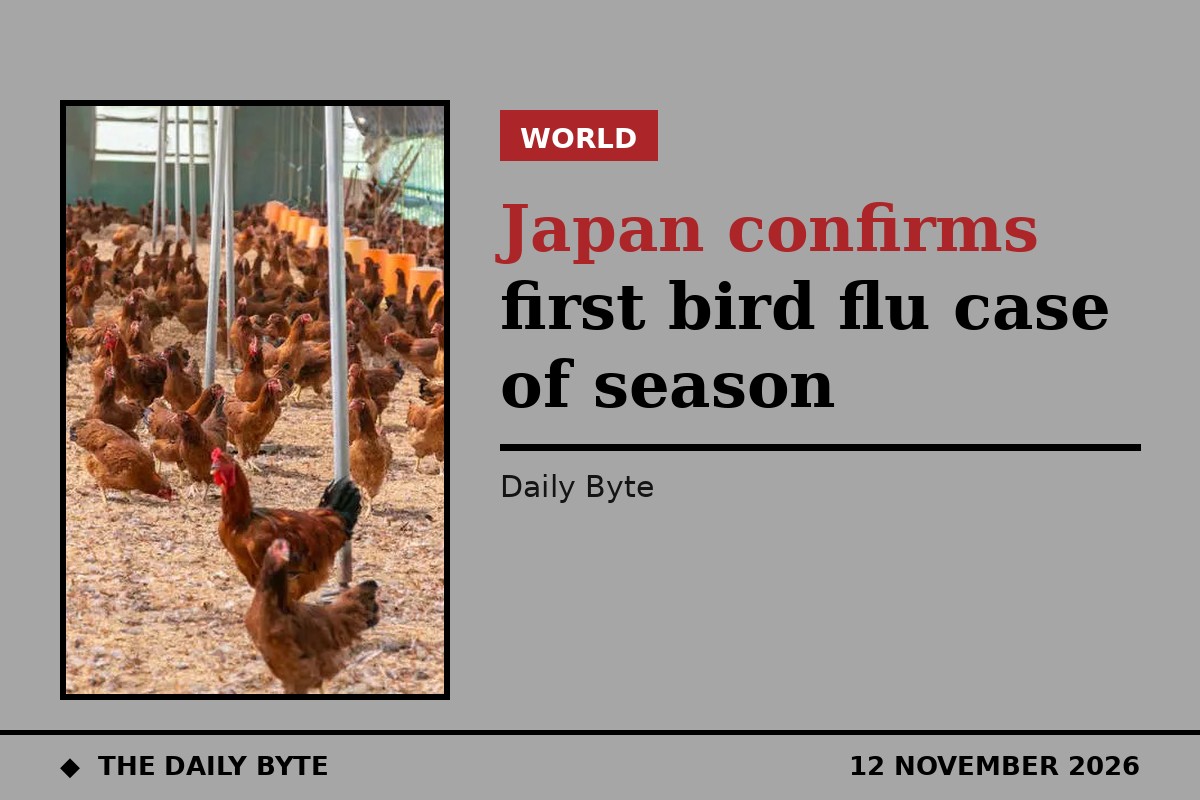
Japan has confirmed its first bird flu case of the season at a poultry farm, after the virus was found at a farm in Kyoto prefecture in western Japan.
The avian influenza has killed 14 birds at the farm in Kameoka city, the farm ministry said. Authorities have begun culling about 20,000 chickens there after testing confirmed the virus, the government said on Thursday.
Chief Cabinet Secretary Minoru Kihara confirmed the case at a briefing. "The government is asking poultry farmers to make sure they follow strict hygiene," he said. The ministry did not say which strain of the virus was confirmed.
How the outbreak was found
The farm contacted a local livestock hygiene service centre on Wednesday to report a rise in chicken deaths, according to Kyoto prefecture. Fourteen dead chickens had been found at the farm that morning. Rapid tests on the dead birds came back positive for avian influenza, and genetic testing then confirmed the infection.
Kyoto prefecture held a task force meeting on Wednesday and prepared for the possibility that the case would be confirmed as the first farm outbreak of the season. The agriculture ministry ordered a swift response to the suspected case, telling the prefecture it would support its disease control measures.
The results of the genetic test were expected on Thursday morning. Once confirmation came through, culling began at the farm. Movement of birds and eggs from the affected area is a standard part of the response to an outbreak of this kind, as officials work to stop the virus spreading to neighbouring farms.
Why the first case matters
The first confirmed farm case of the season is a marker that officials, farmers and the poultry industry watch closely. Japan's avian influenza season typically runs from autumn until the following spring, when migratory birds carry the virus into the country.
There had already been signs of virus activity this season before the Kyoto case. Japan detected its first highly pathogenic bird flu of the season in a wild crow in Akita prefecture, and the agriculture ministry told prefectures and poultry groups to tighten biosecurity. The Kyoto case is the first time this season the virus has been confirmed at a farm, where the consequences for flocks and for farmers are far greater.
Outbreaks in recent seasons have led to the culling of large numbers of birds across Japan, with disruption to egg supplies and higher prices for consumers. That is why the first case draws close attention, and why the government moved quickly to stress hygiene measures for poultry farmers.
What farmers are being told
The government's message to poultry farmers is to follow strict hygiene rules. That means limiting who can enter poultry houses, disinfecting vehicles and equipment, and reporting any unusual deaths among birds immediately.
Early reporting is one of the main defences against the spread of avian influenza. The Kyoto farm reported the rise in deaths promptly, which allowed testing and the culling operation to begin within a day. Officials will now monitor farms in the surrounding area for any further cases.
There is no suggestion at this stage that the virus has spread beyond the single farm. The authorities have not announced any human cases linked to the outbreak. The focus of the response remains on containing the virus among poultry and on keeping it out of other farms as the season develops.