Karachi Fines 607 Profiteers in Price Crackdown
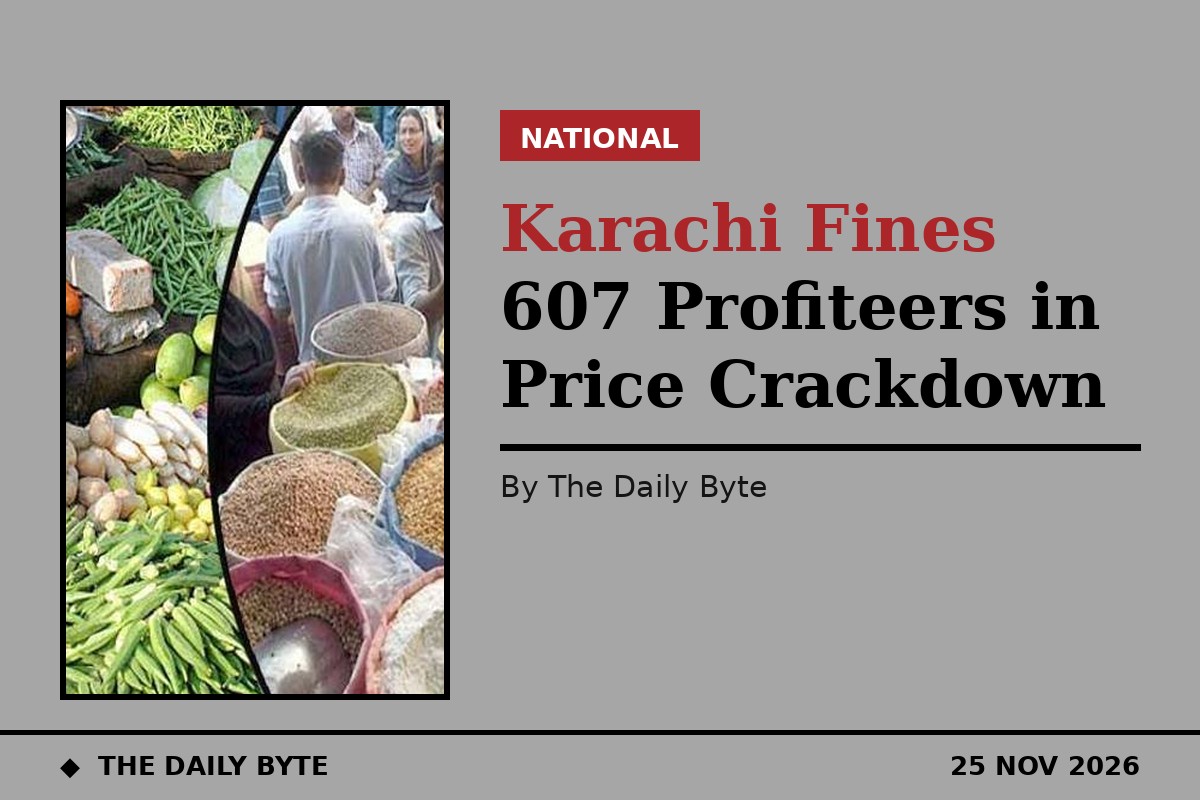
Karachi's administration has fined 607 profiteers a total of more than Rs2.459 million in a week-long enforcement drive against shopkeepers overcharging customers, and sealed 21 shops and arrested four repeat offenders. The figures were released at a review meeting chaired by Commissioner Karachi Syed Hassan Naqvi and reported on Wednesday, 25 November.
According to details released by the commissioner, price checks were conducted at 2,742 locations across the city during the past week, covering the period from 16 to 22 November. Assistant commissioners carried out the inspections and reported through the Commissioner Karachi Price Control Portal, which tracks enforcement across the city's districts. Authorities also ensured that essential food items were sold at government-notified rates at 209 locations, with assistant commissioners supervising the sales.
The meeting was attended by deputy commissioners and assistant commissioners, with the assistant commissioners joining through video link. Assistant Commissioner Headquarters Iqra Jannat presented the enforcement details to the meeting. Commissioner Naqvi, who also holds the role of Controller General of Prices, directed assistant commissioners to intensify action against overcharging and to ensure strict implementation of government-approved prices, calling for action without discrimination and for the scope of arrests to be widened for traders repeatedly found violating price controls.
The latest week's figures show enforcement running at a higher level than the week before. During the previous week, from 9 to 15 November, prices were checked at 2,197 locations, and 533 profiteers were fined a total of Rs2,342,300. Six people were arrested and 15 shops were sealed in that period. The week just reported therefore saw more inspections, more people fined, a larger total in fines, and more shops sealed, although fewer arrests than the week before. The comparison was presented at the same meeting, and the administration is presenting the rising inspection numbers as evidence that the drive is being sustained rather than run once and dropped.
Overcharging, in this context, means selling essential goods above the prices officially notified by the government. The commissioner's office fixes maximum retail prices for items such as meat, vegetables, fruit, pulses, rice and flour, and shopkeepers who charge more are liable to fines, arrest and the sealing of their premises. For households already stretched by food prices, the gap between the notified price and the price actually charged at the till is the difference the crackdown is meant to close.
The commissioner also specifically instructed officials to ensure that naan and roti were sold at officially notified rates. Bread is bought daily by almost every household in the city, so even a small overcharge on each piece adds up quickly across a week, and it is one of the items where shoppers are most likely to notice when the price has moved. The implementation of official prices for naan and roti was reviewed separately at the meeting, and the commissioner directed deputy commissioners to strengthen monitoring and inspection in areas where enforcement of those prices needed improvement.
The meeting also reviewed matters beyond price control. Deputy commissioners gave briefings on operations against illegal roadside encroachments, with updates on Saddar, Empress Market, Tariq Road, University Road, Shahrah-e-Faisal and areas around Ferozabad. The meeting reviewed measures against professional beggars, the trade licensing system, compliance with standard operating procedures governing hotel seating arrangements, and the progress of development projects, including the restoration of parks and improvements to cleanliness. The commissioner directed deputy commissioners to support the relevant departments in removing obstacles to the completion of development projects and to ensure the work was expedited and completed transparently.
For shoppers, the test of the drive is not the weekly totals but whether the prices on the shelf change. Fines and sealed shops make headlines, but the benefit only reaches households if the notified prices are actually charged at the market stall and the bakery the next day. The administration's own figures show the scale of the task: more than 600 traders fined in a single week suggests overcharging is widespread rather than confined to a handful of shops, and the 2,742 inspections, while a large number, still cover only a fraction of the shops trading across a city of Karachi's size.
The reports do not break the figures down by district, so it is not possible to say from them which parts of the city saw the most fines or the most sealed shops. Nor do they say how long the 21 sealed shops will remain closed or what happens to traders who are fined more than once. What is clear is that the commissioner has told his officers to keep the inspections daily, to take stern action without concession, and to arrest repeat offenders, and that the next weekly figures will show whether the drive is holding its pace or falling back.