Kew Gardens to cut up to 90 jobs after heatwave hit
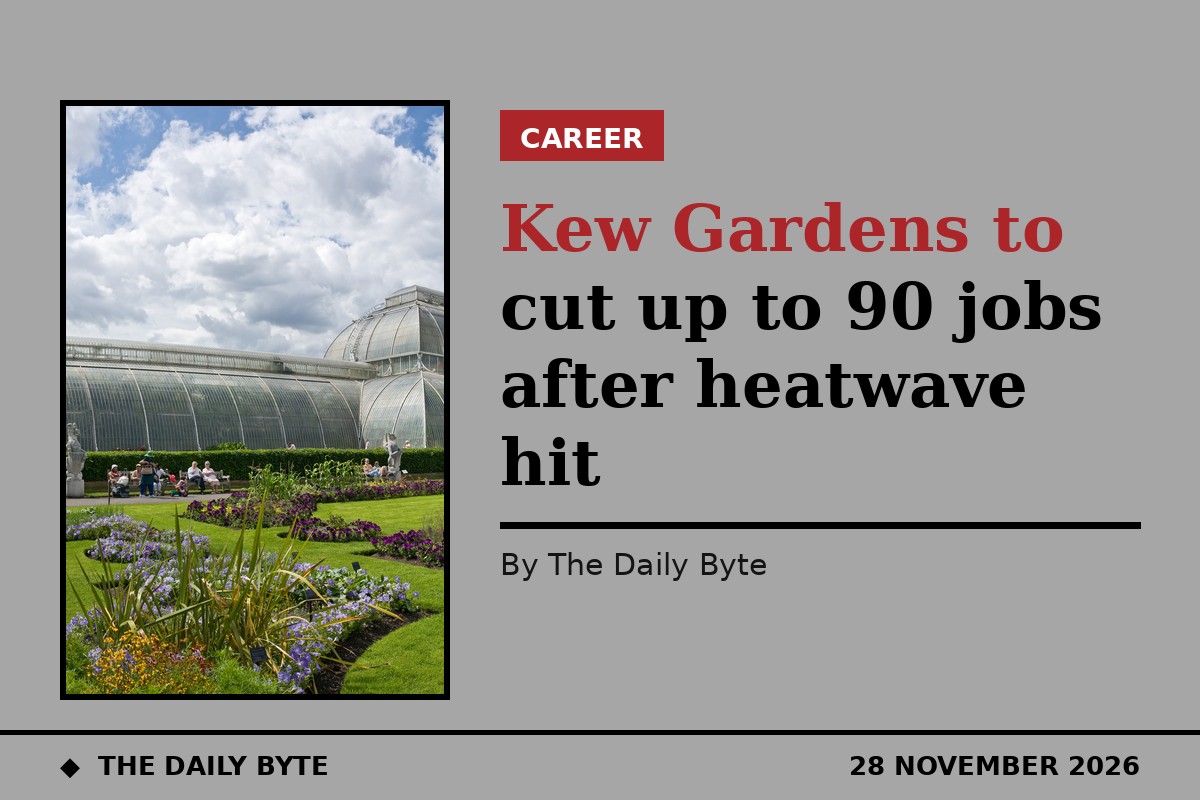
Up to 90 jobs are at risk at Kew Gardens after record-breaking summer heatwaves cut visitor numbers by more than half, the director of the Royal Botanic Gardens, Kew, has said. Management at the west London attraction has drawn up plans to cut operating costs by 10 per cent to steady its finances.
Richard Deverell, who has led the UNESCO World Heritage Site since 2012, blamed extreme weather for deterring visitors during the peak summer season, alongside rising energy bills, higher National Insurance contributions, minimum wage increases and weak consumer confidence. "We are making people redundant because of climate change," he told Bloomberg.
Visitor numbers halve in the heat
Internal figures show the scale of the summer downturn, with daily footfall falling from an average of 5,800 visitors when temperatures sat at 27C to just 2,800 once the temperature hit 38C. The scorching conditions also forced staff to shut sections of Kew's historic glasshouses and cancel scheduled school trips, cutting revenue further.
The gardens' latest annual results show water utility bills climbed 15 per cent, while research and conservation spending rose 10 per cent to £77 million. Overall expenditure rose from £118 million last year to £128 million in the year to March, although Deverell said differences in the timing of funding for major projects distorted the accounts.
Wage bill nearly doubles
The restructuring follows a sharp rise in staffing costs. Kew's total wage bill nearly doubled over seven years, from £35.5 million to £67.3 million, as average headcount reached 1,312 full-time-equivalent staff. Deverell rejected suggestions that the cuts were the result of over-expansion, telling The Telegraph that the staffing increase largely reflected temporary roles paid for by external research grants and donations rather than core spending. Around 900 posts are funded through Kew's core operating budget, with a further 400 to 500 backed by outside projects.
A reset of the finances
Deverell said Kew had balanced its core operating budget in each of the past 10 years, and said the savings would also help the gardens double contingency funding and establish an investment fund to support future income growth. "The 10 per cent cost reduction isn't just about solving the problems we had this year. It's trying to reset our finances more fundamentally to build much longer-term financial resilience," he said.
Kew, founded in 1759, is one of the world's best-known botanic gardens, combining a major visitor attraction with plant science and conservation work. The reports do not say which roles are affected or when any changes would take effect.