Liverpool Tropical Medicine School: 32 Jobs at Risk
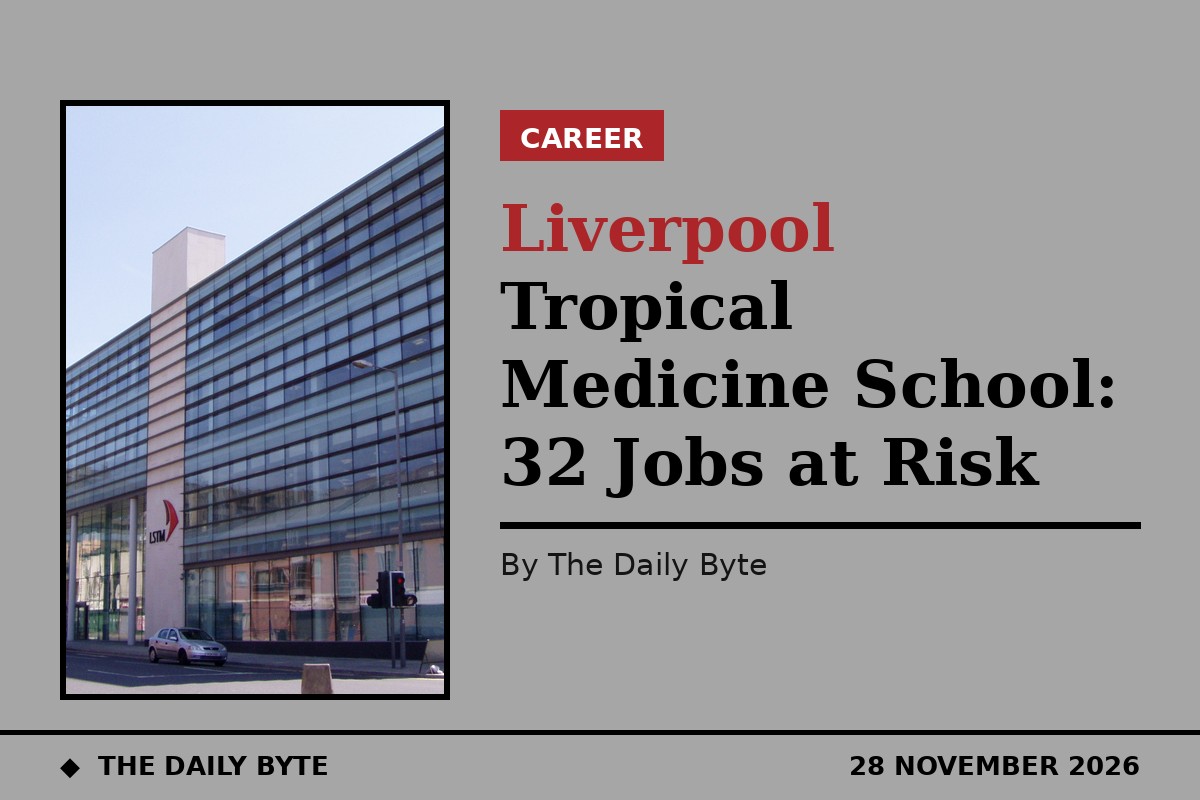
Staff at the Liverpool School of Tropical Medicine have protested after 32 jobs were put at risk, as the world-renowned research school seeks millions of pounds in savings. Around 400 staff, students, union members and local supporters joined a rally called by the joint trade unions UCU, Unite and Unison on Tuesday lunchtime, demanding transparency over management's plans and meaningful engagement to protect jobs.
The school, known as LSTM, is seeking savings of approximately GBP8 million this financial year, with similar savings planned in each of the following two years, adding up to GBP24 million over three years. A voluntary severance process has already taken place. The University and College Union says that significant redundancies are now being considered, and that staff have not been given a detailed explanation of the plans beyond a communication in July announcing the proposed savings.
Union member Mark Lutton, head of research strategy and development at the institution, told the BBC he had raised questions about the pressures facing the school 18 months ago, and had received an answer that it was not facing the same pressures as elsewhere, leaving staff confused by the turn of events. The UCU said in a statement on 15 October that LSTM was seeking the savings as announced by the vice-chancellor in all-staff communications at the end of July.
Liverpool MP Kim Johnson has raised the cuts in Parliament. She told the House of Commons that the school, one of only two tropical medicine institutions in the UK and the longest established, dating back to 1898, now faces GBP24 million of cuts over three years and significant redundancies, due in part to the reduction of research funding. She said the proposed GBP8 million annual cuts were simply out of order, and warned they put jobs at risk and threaten lifesaving research.
LSTM was founded in 1898 and was the first institution in the world dedicated to the study of tropical medicine. It is a postgraduate teaching and research institution based in Pembroke Place, Liverpool, close to the Royal Liverpool University Hospital, with 787 staff and a research portfolio worth more than GBP738 million, supported by funders including the Bill and Melinda Gates Foundation and the Wellcome Trust. Its work covers malaria, insect-borne diseases, tuberculosis and neglected tropical diseases.
The BBC reported that potential job losses are being considered at the school as it seeks to reduce costs and secure its long-term future. The school has cited significant financial challenges. Staff and unions say the loss of highly skilled jobs would damage research that saves lives far beyond Liverpool, including work on diseases that continue to have a global impact.
The 32 positions are under threat, not yet confirmed as redundancies, and the unions are pressing management for a full explanation of how the figure was reached and what alternatives have been considered. Talks are continuing, and the unions have said they will keep campaigning against compulsory redundancies. For now, staff at one of Liverpool's most internationally respected institutions wait to learn how many of the 32 posts will still exist by the new year.