LPG Imports Hit 55,417 Tonnes at Port Qasim
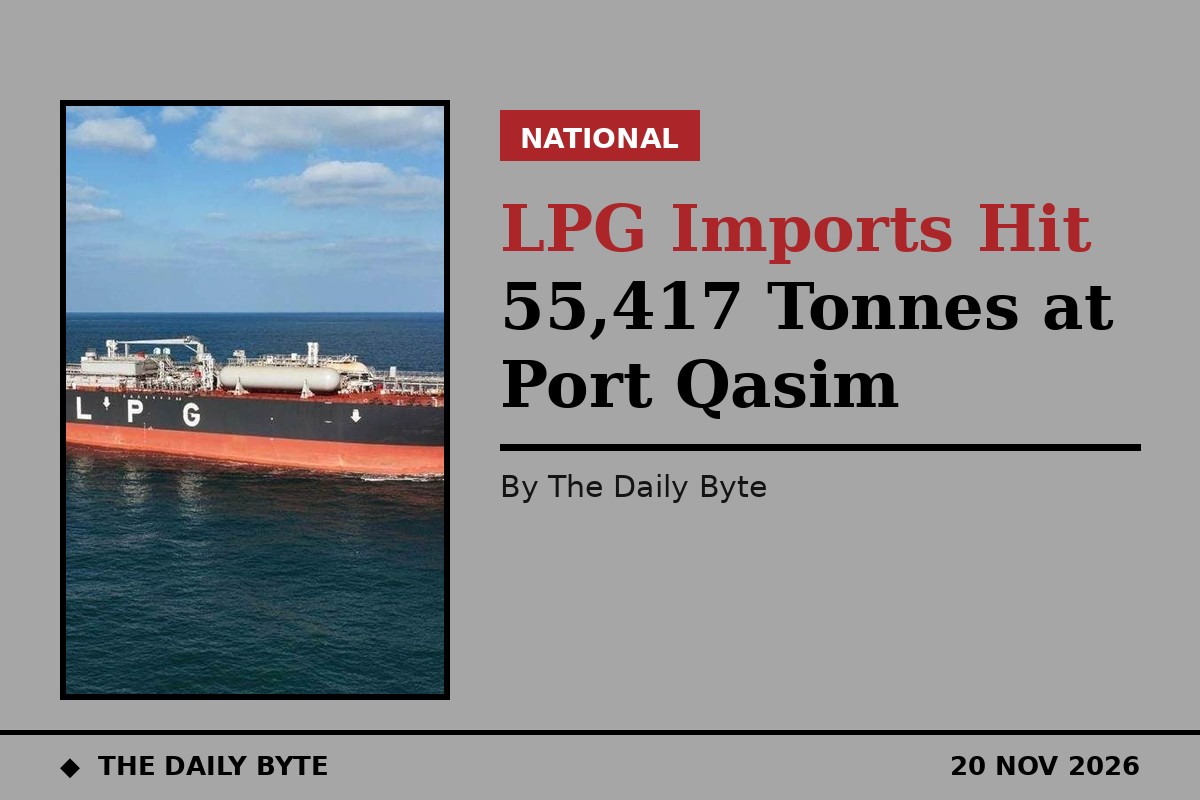
Pakistan has imported 55,417 metric tonnes of liquefied petroleum gas (LPG) through six vessels that arrived at Port Qasim between 12 and 18 November, as the country builds up fuel stocks ahead of the peak winter season.
According to import records reported by Abb Takk, the first shipment arrived on 12 November aboard the vessel Gas RGA, carrying 1,621 metric tonnes. It was followed by Victoria Kusan, which docked on 14 November with 4,387 metric tonnes.
On 16 November, Pacific Star One delivered a further 20,115 metric tonnes to the port. Two more vessels arrived on 17 November with a combined cargo of 7,428 metric tonnes, and the final shipment, carried by Sea Shine, reached Port Qasim on 18 November with 21,866 metric tonnes.
The successive arrivals are expected to bolster domestic LPG stocks and improve availability in the local market as demand for cooking and heating fuel rises in the colder months. With demand for alternative fuels typically increasing in winter, the timely arrival of the consignments is seen as important for maintaining uninterrupted supplies and preventing shortages.
Record cargo under new import rules
Separately, the Associated Press of Pakistan reported on 18 November that SSGC LPG Limited had imported a 15,000-tonne cargo which berthed at Engro Vopak Terminal Limited at Port Qasim. The Petroleum Division described it as the largest cargo of its kind and the first major import under the government's revised LPG guidelines, which are aimed at ensuring availability at affordable rates.
The government has directed state-owned companies to take the lead in LPG imports and strengthen the national supply chain, particularly ahead of winter. Officials said more shipments were expected in the coming weeks, which could improve availability in the open market and support more affordable rates.
A welcome ceremony was held at Port Qasim to mark the arrival of the SSGC LPG cargo. Special Secretary Petroleum Mirza Nasir ud Din Mashood attended as chief guest, alongside Managing Director SSGC LPG Jawad Ali Khan, the Oil and Gas Regulatory Authority's Senior Executive Director for LPG, Sarmad Aslam, and Engro Vopak Terminal Chief Executive Syed Ammar Shah.
Why winter supply matters
LPG is a key fuel for households without access to pipeline gas, particularly in mountainous and remote areas, where demand rises sharply in winter. Pakistan consumes about 2.4 million tonnes of LPG a year and imports more than half of it, Petroleum Minister Ali Pervaiz Malik said earlier this month.
Imports have also been aimed at easing shortages after October border closures disrupted supplies from Iran, according to Aaj TV. The Oil and Gas Regulatory Authority raised the November LPG price by Rs14.73 per kilogram to about Rs294 per kilogram, according to Dunya News and Pakistan Observer reports.
The government says its deregulation of the LPG sector, including changes to the pricing regime, is designed to let state-owned enterprises play a leading role in securing supplies. Previously, formal-sector companies had exited imports because regulatory constraints prevented them from recovering procurement costs, the Petroleum Division said.
For consumers, the test will be whether the improved inflows translate into steadier supply and lower prices in the weeks ahead. The Petroleum Division said the increased influx was expected to improve market availability, ease supply constraints and help bring prices down through greater product availability.