Gulf warns second Iran war round would be worse
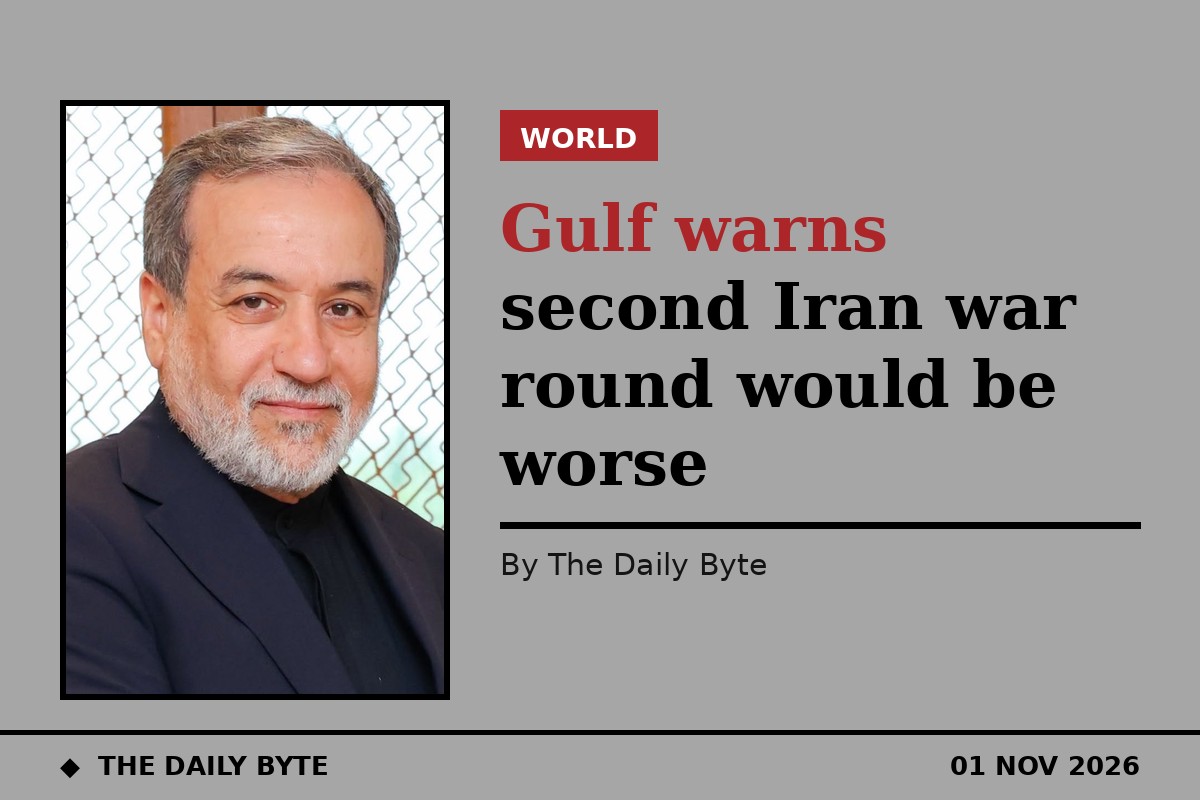
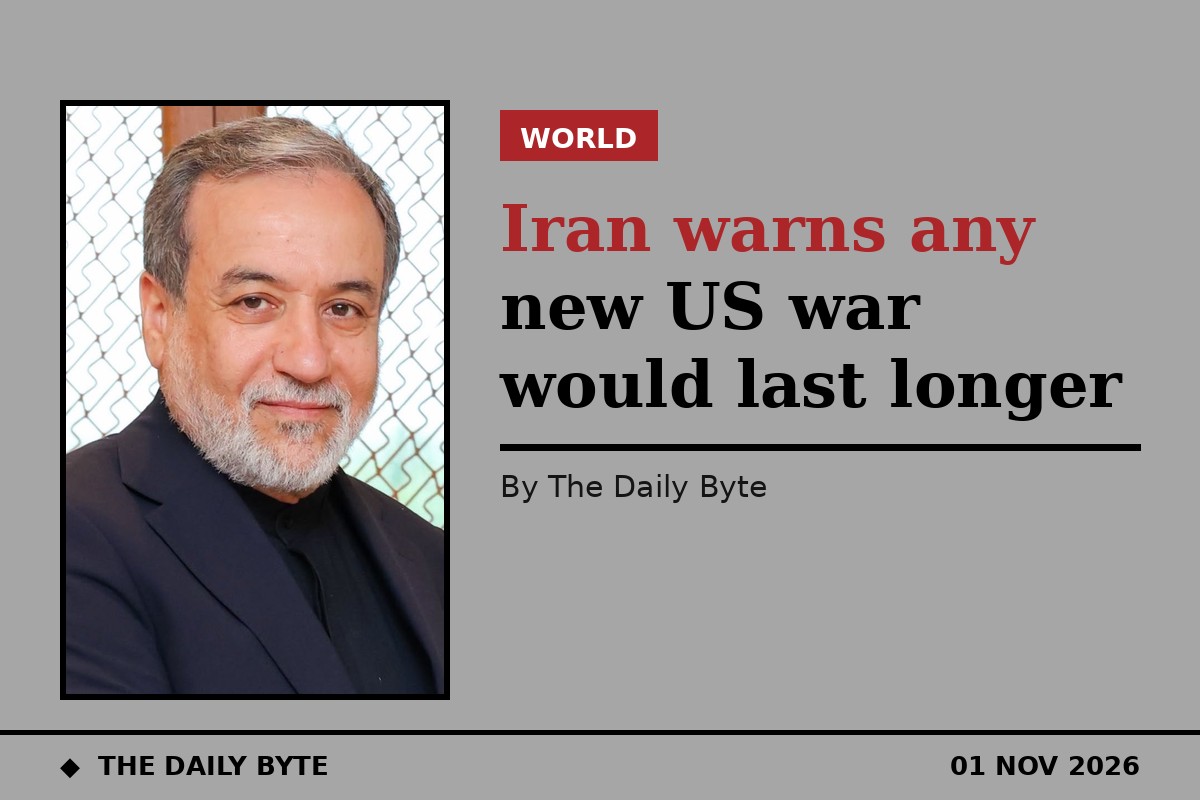
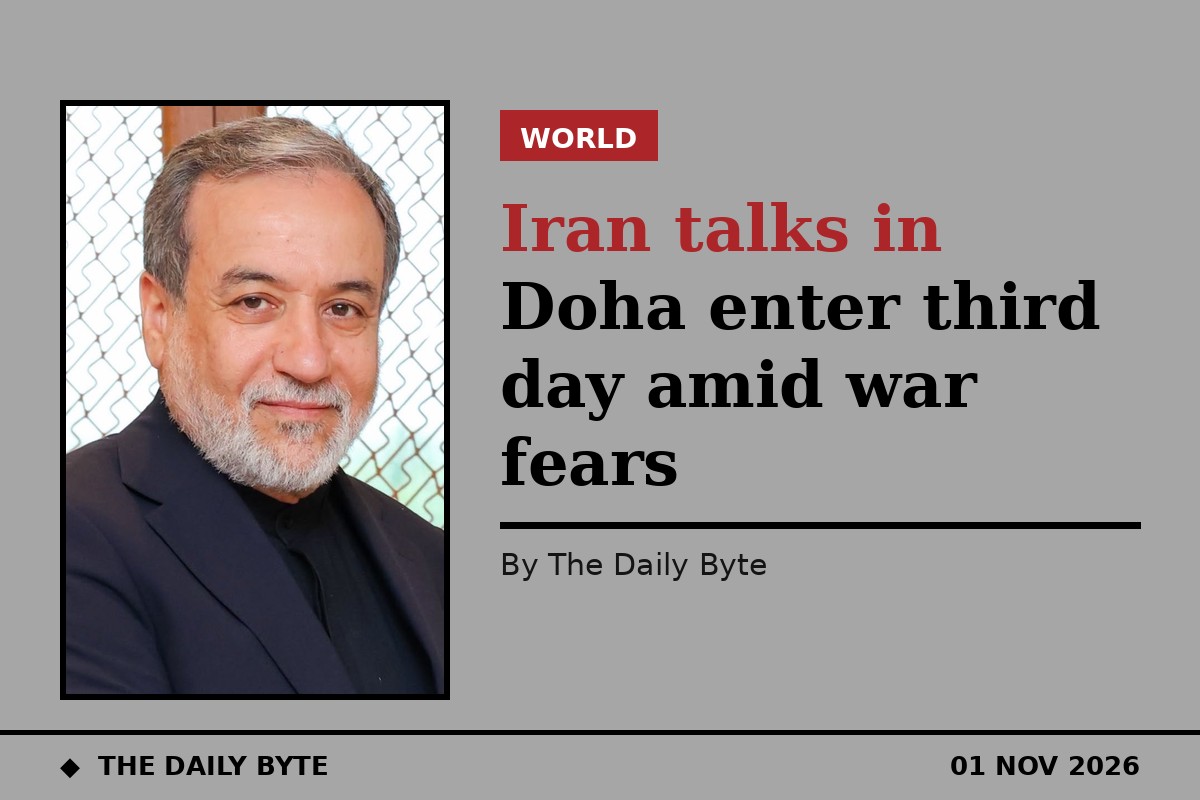
Egypt's Foreign Minister Badr Abdelatty has warned that a new escalation in the war between the United States and Iran would be more destructive than what has gone before, speaking at the IISS Manama Dialogue security summit in Bahrain on Saturday. "The second round will be more dangerous, more destructive, and it will lead to nowhere. We have to draw lessons from the past," he said, according to Reuters. "A war can begin with a unilateral decision, but no one can unilaterally control its consequences or stop it," he added.
Abdelatty said he was extremely worried about a fresh escalation, and stressed that Gulf security is inseparable from the security of the wider Middle East. Gulf states came under repeated Iranian attacks this year after the war erupted in late February. The Iran-aligned Houthi rebels in Yemen are now opening another front, renewing attacks on Saudi Arabia.
The Gulf position
GCC Secretary-General Jasem Mohamed Al Budaiwi said Gulf states remain committed to de-escalation and keep communication channels with Iran open, but that progress requires genuine engagement from Tehran. He appealed for navigation through the Strait of Hormuz to return to the conditions before 28 February, noting that disruptions to the strait have affected energy prices, shipping, insurance and global supply chains. Saudi Deputy Foreign Minister Waleed Elkhereiji said a visit to Tehran this week by Defence Minister Prince Khalid bin Salman had aimed to ease tensions and support mediation efforts by Qatar and Pakistan.
Britain's military signal
UK Middle East Minister Stephen Doughty confirmed British air defence hardware and personnel sent to Saudi Arabia after renewed Houthi attacks, and cited RAF defensive missions over Qatar, Bahrain, Jordan and the UAE. A June interim agreement failed to secure a lasting ceasefire or restore Hormuz shipping; Iran has since offered to reopen the waterway within seven days if Washington lifts its blockade of Iranian ports.