Lahore petrol pump fraud: NCCIA seals four pumps
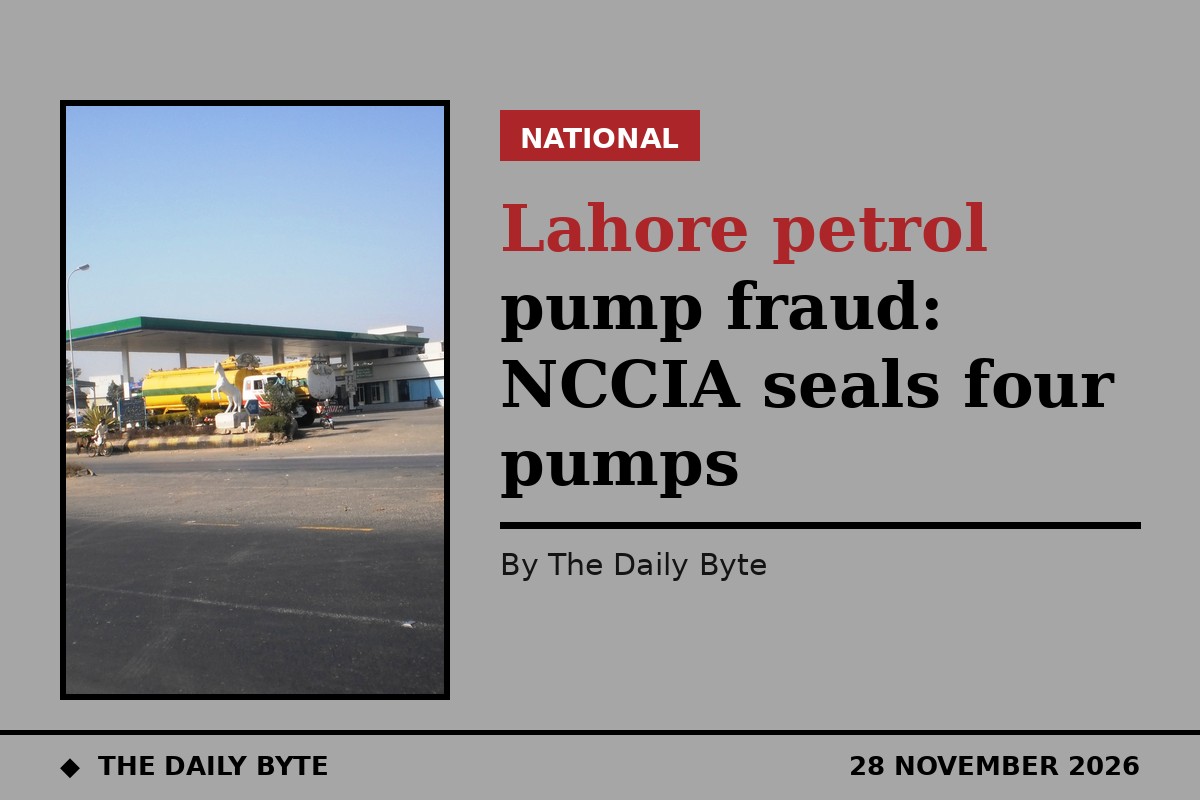
The National Cyber Crime Investigation Agency (NCCIA) has sealed four petrol pumps in Lahore and arrested suspects after uncovering an alleged digital fraud in which fuel dispensers were manipulated through a mobile phone app to give customers less fuel than they paid for.
The raids were carried out on Saturday, 28 November, at petrol stations in Johar Town, Lahore Cantt, Gulshan-e-Ravi and Bund Road. The operation was conducted under the supervision of Additional Director NCCIA Lahore Zone Atif Ameer, and the four pumps were sealed after the raids.
According to the NCCIA, the pumps' machines were controlled through a mobile app called "Home Load", which allowed pump management to dispense between 10 per cent and 30 per cent less fuel to customers. The digital meters on the machines continued to show the correct payment amount and fuel quantity, so customers had no way of telling from the display that they had received less fuel.
Scale of the alleged fraud
Officials put the alleged illicit gain at about Rs400 million over one year. One outlet reported the figure as more than Rs390 million. The NCCIA has registered three cases against the suspects under the Prevention of Electronic Crimes Act and the Pakistan Penal Code.
Reports differed on the number of people arrested. ARY News and Pakistan Observer reported 14 arrests, while other outlets reported 16 people arrested, including two pump owners and two app developers. Two application developers were among those arrested, according to several reports, and a person suspected of making and installing the digital fuel-control devices was also taken into custody.
Investigators recovered digital fuel-control kits and mobile phones from the sites during the raids. The NCCIA has written to the Oil and Gas Regulatory Authority (OGRA) seeking suspension of the pumps' licences, and has begun proceedings to freeze the bank accounts of the pump owners involved.
Only regular fuel was affected
NCCIA officials said the digital system was not installed on high-octane pumps. The app was used only on machines dispensing regular petrol and diesel, which are the fuels most motorists buy.
The case is a reminder of how fuel fraud has moved beyond the old methods of tampering with a pump's calibration. In this case the alleged manipulation was electronic and remote: a phone app gave operators control over how much fuel the dispenser released, while the meter kept showing the full quantity. That combination made the shortfall difficult for an ordinary customer to spot, since the only evidence was the amount of fuel actually in the tank.
The investigation is continuing. The NCCIA has not said how many customers were affected, or whether further raids are planned at other pumps. Limited resources have been cited as a reason the agency has not yet carried out further raids, according to one report.
For motorists in Lahore, the immediate effect is limited to the four sealed pumps. But the case raises a wider question for the regulator: how many other pumps may be using similar devices, and what checks can catch an electronic shortfall that a meter reading cannot show? The answers will depend on what the investigation finds next, and on whether OGRA acts on the NCCIA's request to suspend the licences of the pumps involved.