NDMA Puts Sindh on High Alert as Drought Threatens Umerkot and Tharparkar
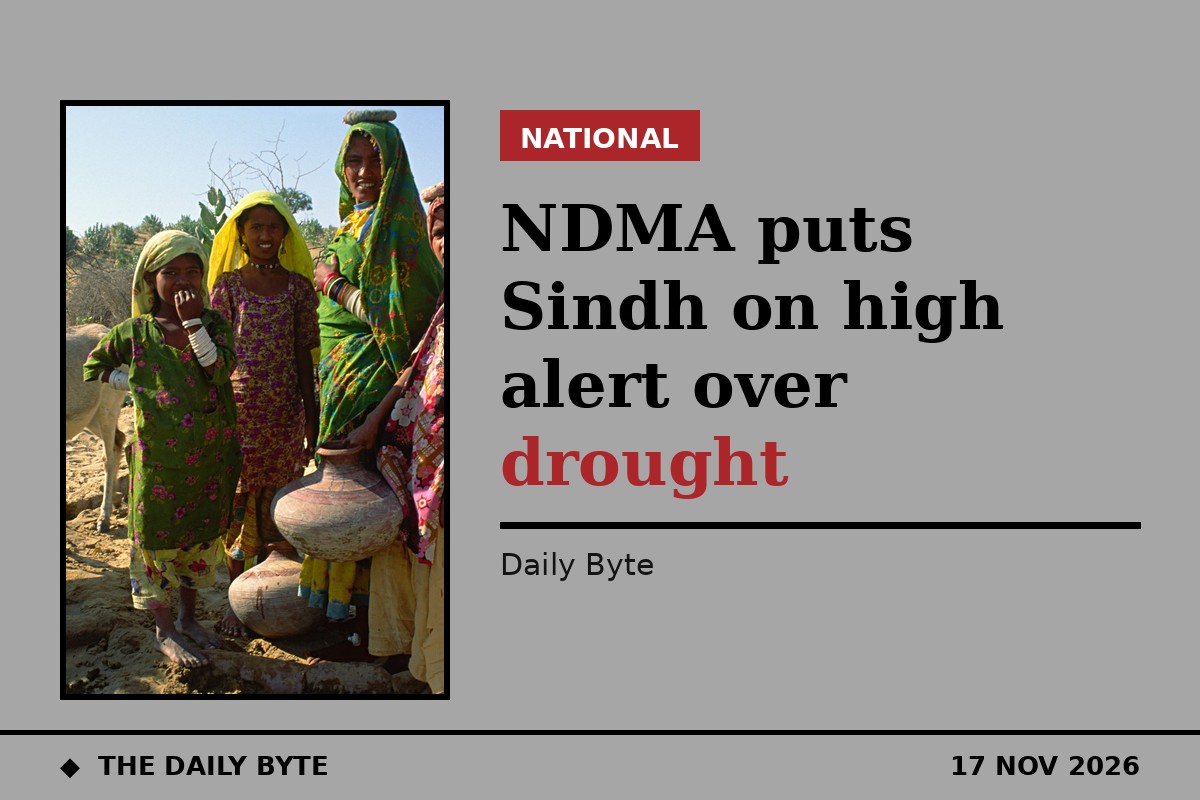
The National Disaster Management Authority (NDMA) has issued a high alert for drought-affected areas of Sindh, warning of a severe drought threat in parts of Umerkot, Tharparkar, Mirpurkhas and Sujawal districts. The alert, issued on 17 November 2026, follows a nationwide assessment of dry conditions by the authority's National Emergency Operations Centre.
The centre also warned that parts of Chagai and Washuk districts in Balochistan face a drought-like situation. Temperatures in the affected districts of Sindh are currently one to three degrees Celsius above normal, while declining water availability is putting agricultural activity and crop production under pressure and raising concerns about food security.
Which districts are on high alert
According to Abb Takk News, the high alert covers Umerkot, Tharparkar, Mirpurkhas and Sujawal in Sindh, as well as affected areas of Chagai and Washuk in Balochistan. The National Emergency Operations Centre is monitoring the situation in the affected districts continuously.
The NDMA identified below-average rainfall, extended dry spells, increasing temperatures and changes in monsoon rainfall patterns as the main factors behind the worsening situation. It has directed the relevant departments and authorities to ensure the efficient use of available water resources and to take preventive measures to protect farmers, agricultural activity and rural populations.
Why Tharparkar is already in crisis
The alert comes ten days after the Sindh government declared Tharparkar a calamity-hit district. On 7 November, Chief Minister Syed Murad Ali Shah decided to declare the district drought-affected after a briefing found that all seven of its talukas faced drought-like conditions, with between 85 and 90 per cent of cultivated crops either destroyed or rendered unproductive.
Rainfall recorded across Tharparkar's seven talukas in September 2026 ranged from just one millimetre to 36 millimetres. Pakistan Meteorological Department data showed Sindh received 71.1 millimetres of rain between 1 July and 30 September, 50.8 per cent below the seasonal norm of 144.3 millimetres, making it the driest province of the monsoon season.
The chief minister directed the repair and restoration of inactive reverse osmosis plants to secure drinking water, and asked the chief secretary to assess the feasibility of laying a dedicated water supply line from Naukot to Mithi. The crop-loss figure of 85 to 90 per cent is the agriculture extension department's assessment as presented to the chief minister, rather than an independently verified survey.
What happens next
The Sindh government has also decided to conduct a comprehensive survey to assess drought conditions in Tharparkar and Umerkot districts. Sindh Chief Minister's Adviser Gianchand Essarani announced the decision during a meeting convened to review the situation.
The proposed assessment will cover access to clean drinking water, education, food shortages, maternal and child healthcare, and livestock-related challenges. Officials have been instructed to ensure relief measures in Diplo, Dahli, Chachro and Nagarparkar, with women and children given priority.
Authorities are examining different assistance options, including food distribution, direct cash support, food vouchers and assistance through the Benazir Income Support Programme (BISP). The NDMA's high alert adds a national dimension to a crisis that, until now, had been handled mainly at provincial level, and it puts the focus on water management and early preventive action before the dry season deepens.
Frequently asked questions
Which Sindh districts are under the NDMA drought high alert? Umerkot, Tharparkar, Mirpurkhas and Sujawal districts in Sindh, along with affected areas of Chagai and Washuk in Balochistan.
What caused the drought risk? Below-average rainfall, extended dry spells, temperatures one to three degrees above normal, and changing monsoon patterns, according to the NDMA.
Was Tharparkar already declared calamity-hit? Yes. The Sindh government declared Tharparkar a calamity-hit district on 7 November 2026, after reports that 85 to 90 per cent of its crops had been destroyed or rendered unproductive.
Source: Abb Takk News. Second source: Daily Imroz.