Private School Staff Say Pay Falls Short, Survey Finds
Staff in Britain’s independent schools feel underpaid, overworked and increasingly shut out of a decent pension, according to a new survey of more than 3,500 members of the National Education Union. The union says the findings should be a wake-up call for employers in the sector.
Among teachers, almost three quarters — 73 per cent — said their pay was less, or significantly less, than they would expect for their role, responsibilities and workload. A quarter said they had received no cost-of-living pay rise in 2025/26, rising to 31 per cent in schools that are both day and boarding. Where teachers did get an increase, it averaged 2.7 per cent.
Support staff reported even sharper pressure. Almost four in five — 78 per cent — said their pay was less than they would expect, and 22 per cent had no cost-of-living increase in 2025/26. Seven in ten regularly work beyond their contracted hours, and of those, 61 per cent are never paid or otherwise compensated for the extra time. Almost a third work four or more extra hours a week.
Half of the teachers who responded said the pupil-to-teacher ratio at their school had increased this year, rising to two thirds at boarding schools. A quarter of support staff said colleagues had left because of poor access to flexible working, and 13 per cent said they had considered leaving themselves for the same reason.
Pensions are being stripped away
The survey found the Teachers’ Pension Scheme is disappearing from the sector. Seven in ten teachers who are, or have been, in the scheme said their employer had consulted on leaving it since 2019. Only a fifth said the scheme was still available to new staff, and two fifths said their employer did not offer it at all — rising to 69 per cent in independent-sector special schools.
A Freedom of Information request reported by The Telegraph found the number of independent schools in the scheme fell from 1,066 in July 2024 to 880 by January 2026. The NEU points out that employer contributions to the scheme are due to fall by 11 per cent from 1 April 2027, and is urging schools that have left to consult staff about returning.
Just 7 per cent of support staff said they were confident their current workplace pension would give them a good standard of living in retirement, against 61 per cent who were not confident. NEU general secretary Daniel Kebede said: “Staff in the independent sector have had a torrid few years, with frequent and ongoing attacks on their pensions and job security.”
Strikes follow the same pressures
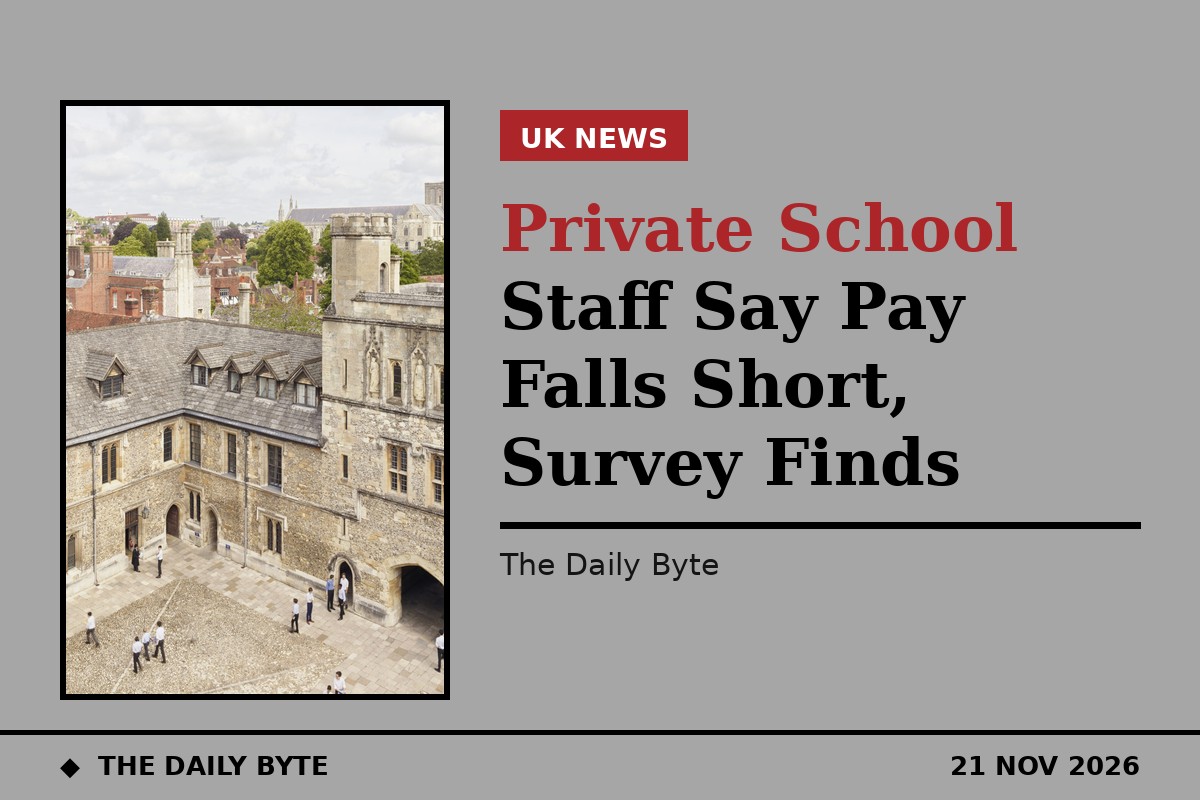
The discontent is already spilling into strike action. Teachers at Winchester College are due to begin six days of strike action next month — thought to be the first in the school’s 650-year history — after 58 of the 80 teachers who voted backed action in a dispute over the treatment of a union representative. The school charges fees of up to sixty-two thousand pounds a year.
The NEU says employers need to value their staff more and pay them properly for difficult and responsible jobs. It is calling on schools to look at workload now, embrace flexible working, review pay levels and pension provision, and consult staff about returning to the Teachers’ Pension Scheme where they have left it.