NHS cataract patients 'paying the price' of minimum waiting times, report warns
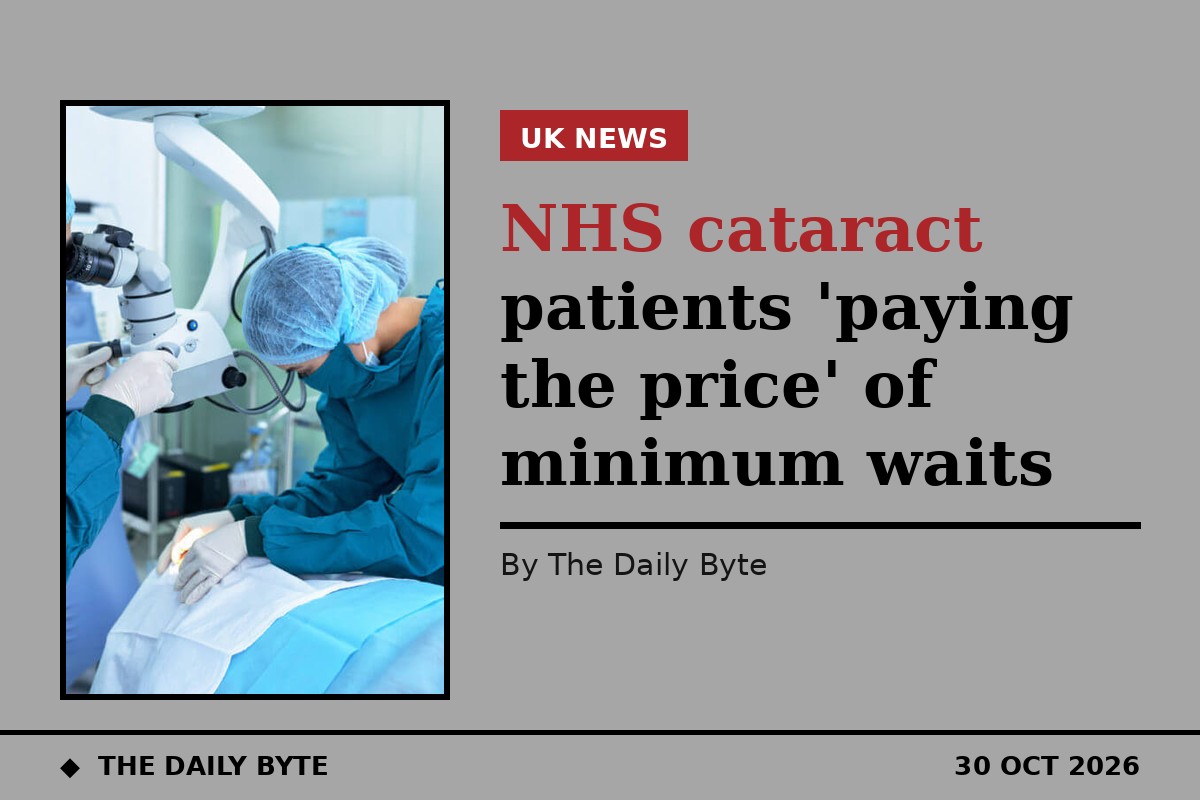
Around half of England's integrated care boards have introduced mandatory minimum waiting times for cataract surgery, some as long as 16 weeks, and patients report worsening sight, poorer mental health and a loss of independence while they wait, according to new research.
The report, commissioned by eye-care provider SpaMedica with input from Age UK, the Royal National Institute of Blind People, Fight for Sight and the Thomas Pocklington Trust, surveyed 520 people waiting for NHS cataract surgery between December 2025 and January 2026.
Among those surveyed, 85 per cent said their vision had worsened while waiting, 69 per cent said their mental health had declined, and 75 per cent said they had become more socially withdrawn. Almost one in five reported attending accident and emergency or receiving treatment after a trip or fall.
The wider cost of waiting
The impact reaches beyond eyesight. More than nine in ten respondents said they had changed their driving habits, including 29 per cent who had stopped driving altogether. Among those still working, almost a third had reduced their hours and 21 per cent had stopped working entirely.
The report estimates that accident and emergency attendances linked to patients awaiting cataract surgery could cost £21.67 million a year, with a further £7.6 million annual pressure on GP surgeries. Each additional week of delay is estimated to represent £164 lost in health, care and economic value per patient, adding up to more than £400 million a year across England.
A false economy, researchers argue
Minimum waits were brought in by health boards to manage elective activity and spending. The report argues the policy risks shifting costs elsewhere in the NHS rather than saving money, and calls for a pause on introducing or expanding mandatory minimum waits until their clinical, economic and equality impacts are fully assessed. Because the research was commissioned by a provider of cataract services, its conclusions should be read alongside independent evidence.
Sources: Association of Optometrists; SpaMedica.