OECD Warns MENA Gender Finance Gap Holds Back Growth
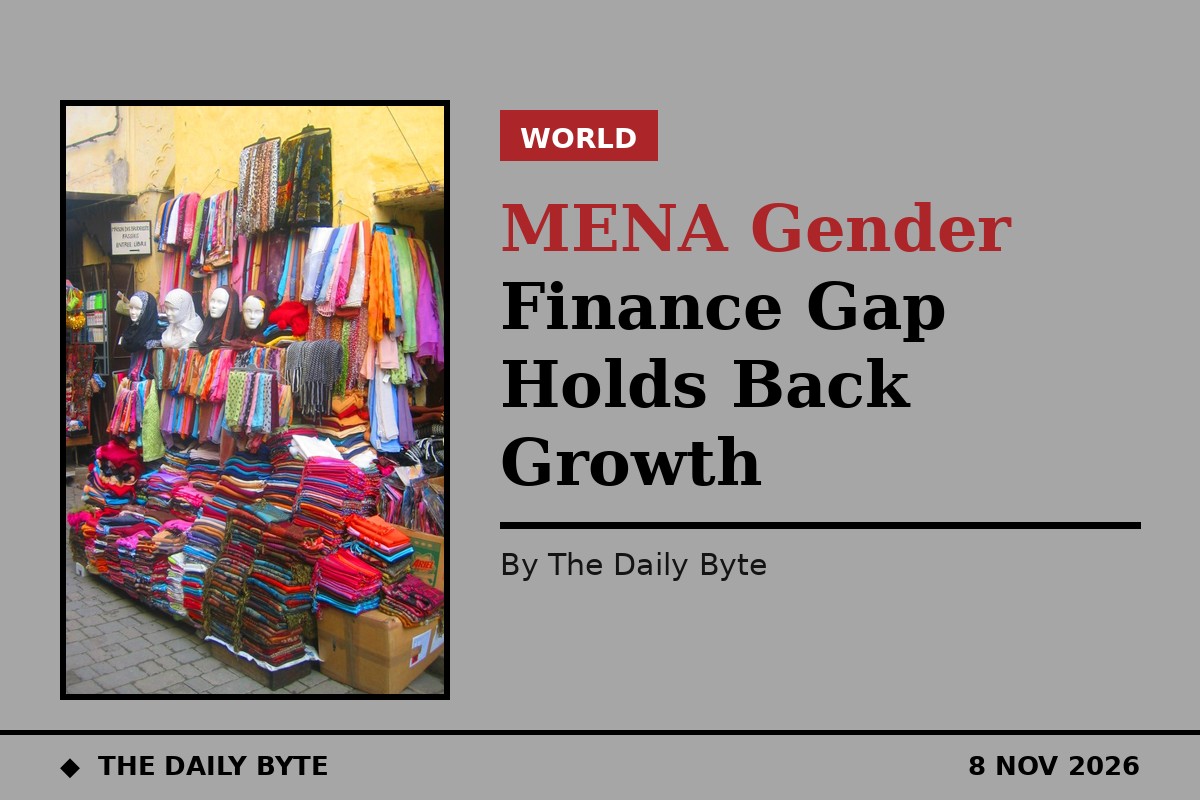
Women across the Middle East and North Africa face wide gaps in access to finance despite outperforming men in education, a new OECD report says, and closing those gaps could lift regional GDP by about 54 percent.
The report, Financing Women's Economic Empowerment in MENA, was published by the Organisation for Economic Co-operation and Development with support from the European Union. It covers eight economies: Algeria, Egypt, Jordan, Lebanon, Libya, Morocco, the Palestinian Authority and Tunisia.
Education up, jobs and finance lag
Women made up 45 percent of tertiary education enrolment in 2023, against 41 percent for men, yet female labour force participation was about 19 percent, compared with about 70 percent for men. Only 13.4 percent of businesses reported female ownership participation, against a global average of 34 percent, and 42 percent of women held bank accounts, compared with 57 percent of men.
Development finance incorporating gender equality objectives reached about 3.5 billion US dollars a year across the eight economies in 2022-23, while a further 10 billion dollars a year was not assessed against the OECD gender marker. Bilateral aid with gender objectives in selected productive sectors rose from about 410 million dollars in 2012-13 to 1.6 billion dollars in 2022-23, but global official development assistance fell by about 23.1 percent in 2025.
The report points to credit guarantees, blended finance, digital banking and early-stage investment as ways to widen access. The Middle East Investment Initiative has issued about 160 million dollars in loan guarantees, and the SANAD Fund has facilitated about 644,000 loans worth 2.3 billion dollars, with women making up 31 percent of active small-business borrowers. The OECD says progress should be judged on lending, business growth and jobs, not on commitments alone.