Open-market LPG in Pakistan hits twice official price
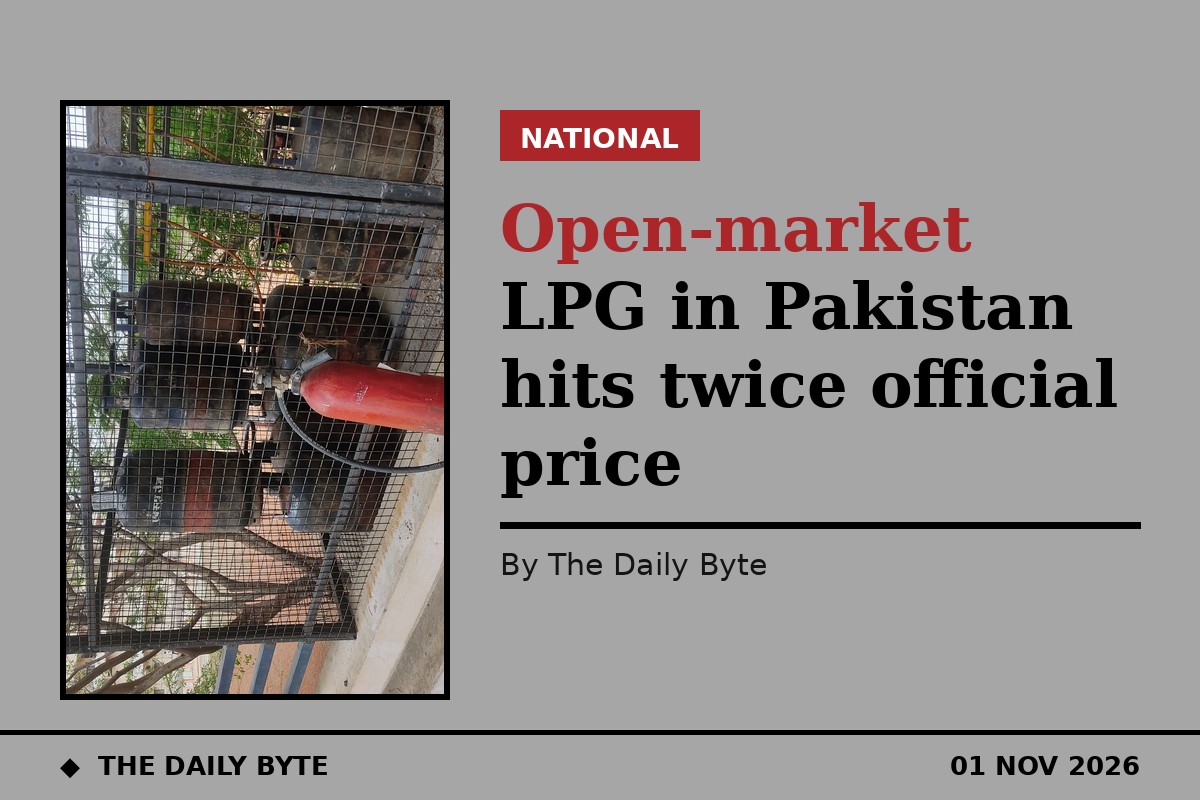
Open-market prices for liquefied petroleum gas in Pakistan have risen to about double the official rate, according to a report by Dawn published on 1 November 2026. The gap between the regulated price and what many households are actually paying has widened as supplies tighten.
What the official price now stands at
The Oil and Gas Regulatory Authority raised the official LPG price for November to Rs294,075 per tonne, up from Rs279,341 per tonne in the previous month. For a standard 11.8 kg domestic cylinder, the official retail cost rose by Rs173 to Rs3,470, putting the official per-kilogram rate at Rs294.
The regulator linked the increase to a 6.47 percent rise in the Saudi Aramco contract price, partly offset by a small fall in the average dollar exchange rate. In the open market, however, prices have reached up to Rs630 per kilogram, while company-run franchises are reported to be charging as much as Rs400 per kilogram.
Why supplies have tightened
The report points to severe supply shortages connected to the conflict involving the United States and Iran and to the closure of the Iranian border. Irfan Khokhar, chairman of the LPG Distributors Association of Pakistan, was reported as saying that Iran supplies 70 percent of Pakistan's LPG, with domestic production accounting for only 30 percent.
Industry warning over a new policy
The dispute has also taken on a policy dimension. Ali Haider, chairman of the Pakistan LPG Marketers Association, said member companies would begin a strike on 16 November if the government proceeds with a proposed LPG policy that, in the association's view, sidelines private businesses or reverses deregulation.
The association wrote to Petroleum Minister Ali Pervaiz Malik, saying a draft policy sent to the prime minister had excluded private-sector input.