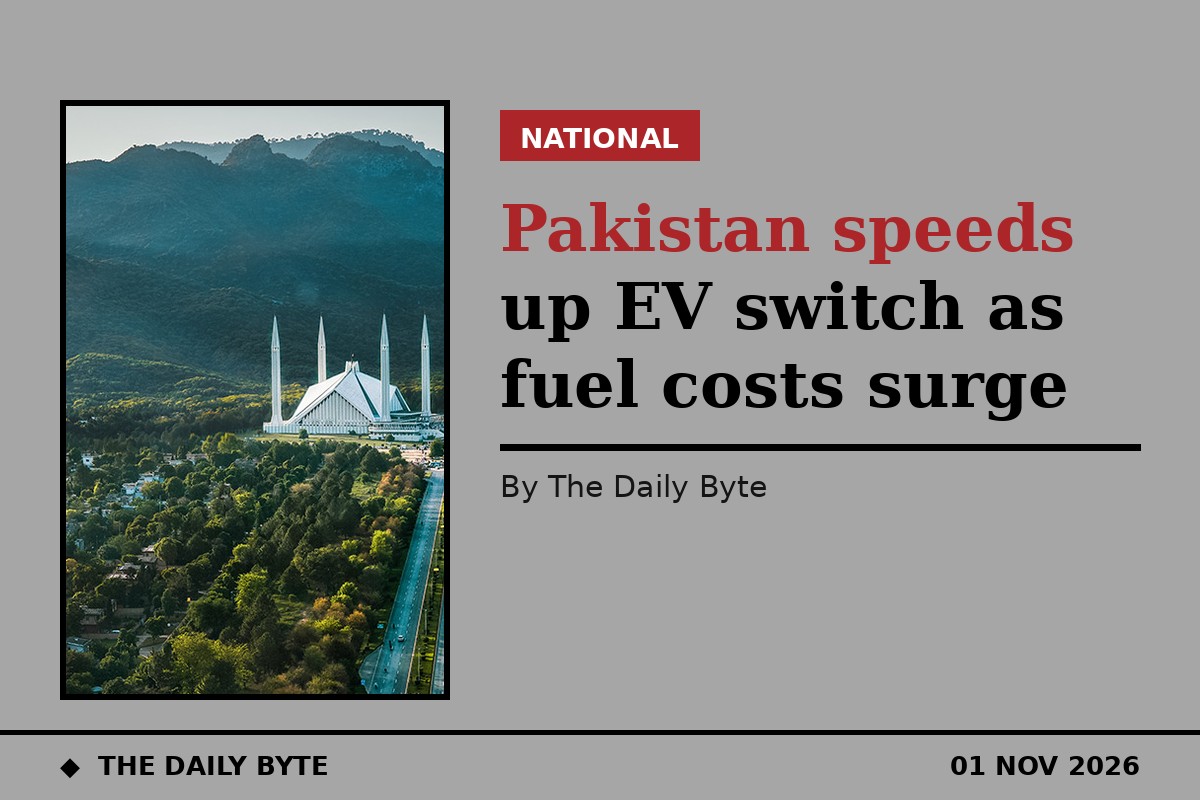
Pakistan speeds up EV switch as fuel costs surge
Pakistan is pressing ahead with a major shift towards electric transport, as rising petrol and diesel prices make the running-cost case for battery power harder to ignore. A new five-year auto framework, approved in draft by Prime Minister Shehbaz Sharif on 20 October, places electric and new-energy vehicles at the heart of industrial strategy, alongside targets of $6 billion in vehicle exports and $1.2 billion in parts exports by 2030-31.
Lower taxes proposed, but not yet law
Under the draft, battery electric vehicles would carry a 1% sales tax, range-extended models 6% and plug-in hybrids 9%, rather than the 18% rate suggested by the International Monetary Fund. Borrowing limits for electric vehicles would rise from Rs 3 million to Rs 10 million, with repayment periods extended from three years to five, and smaller electric models priced below $15,000 would get lower import tariffs. Readers should note the important limit: this is a draft, not law in force. It still needs cabinet approval, IMF agreement on its tax rates and parliament before showroom prices change.
First bulk EV shipment reaches Karachi
The policy push coincides with a practical milestone. In late October, the vessel M.V. Grande Shanghai docked at Karachi Port carrying more than 2,000 electric vehicles in Pakistan's first roll-on/roll-off EV shipment. Officials cited by industry coverage say petrol prices have risen about 54% and diesel about 43% since the Middle East conflict earlier this year, cutting the payback period for switching to electric to roughly one to one-and-a-half years. Electric motorcycle and scooter sales have roughly tripled year-on-year, while electric car sales have doubled.