UN: Over One Million in Lebanon Face Acute Food Shortages
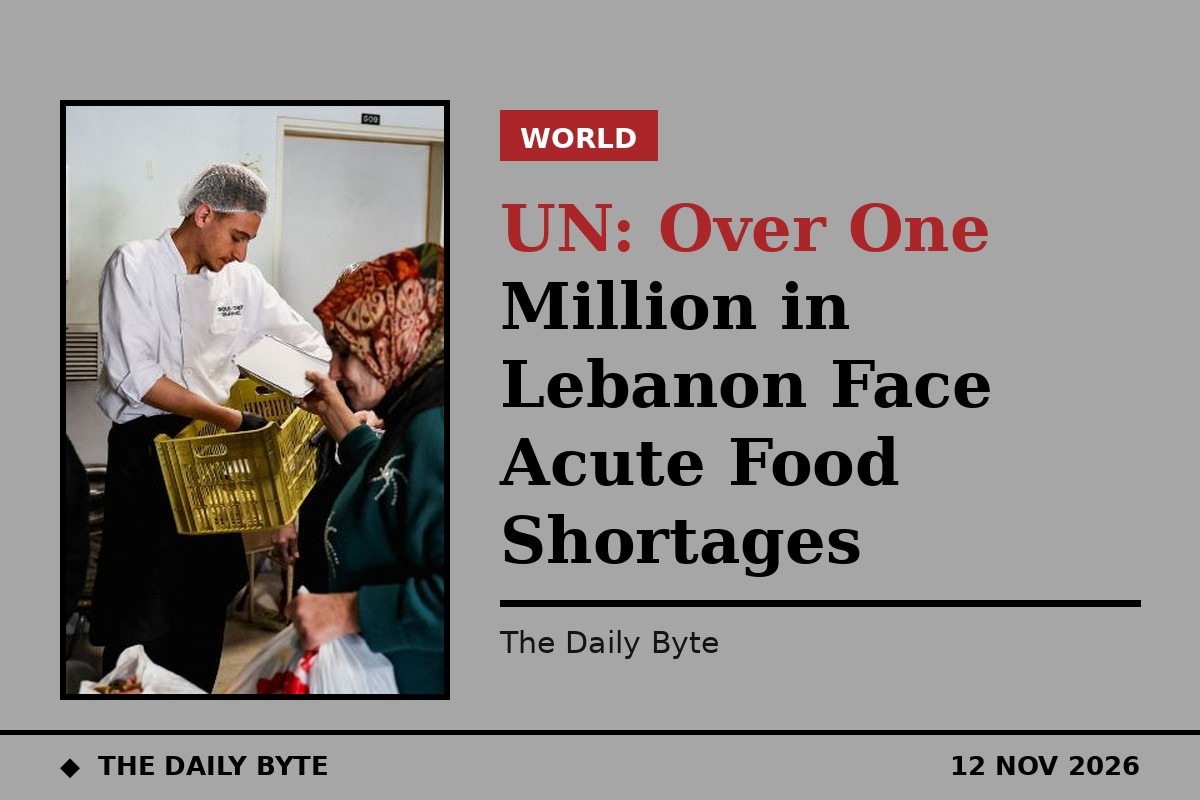
More than one million people in Lebanon are facing acute food shortages, the United Nations has warned, with the number expected to rise to 1.15 million by the middle of next year. The warning comes after two wars in less than two years and a deep economic crisis that have left households across the country struggling to afford food, fuel and other essentials.
The latest analysis finds that 1.05 million people, or 21 per cent of the population covered by the assessment, face crisis levels of hunger or worse between September 2026 and February 2027. Of those, 52,000 people are in emergency conditions, the most severe category short of famine. By mid-2027, the total is projected to reach 1.15 million people, or 24 per cent, with 97,000 in emergency conditions — almost double the current figure.
What the new figures show
The figures come from the Integrated Food Security Phase Classification, known as the IPC, carried out by Lebanon’s Ministry of Agriculture with support from the World Food Programme (WFP) and the Food and Agriculture Organization (FAO). The three bodies issued a joint statement on Wednesday setting out the findings, and the United Nations briefed reporters in New York on the same day.
Farhan Haq, deputy spokesperson for the UN secretary-general, told reporters that more than one million people in Lebanon were already facing crisis or worse levels of acute food insecurity and required urgent action. He said conditions were most concerning in conflict-affected districts in southern Lebanon and in vulnerable areas including Akkar and Baalbek-Hermel.
The analysis covers the population assessed by the IPC, which includes Lebanese citizens and refugees living in the country. The share of people in acute need has climbed steadily as the war and the economic crisis have worn down household savings and livelihoods.
Why hunger is rising in Lebanon
The joint statement blamed two consecutive conflicts in less than two years and a dire economic situation for the deterioration. Lebanon’s authorities estimate that the cost of two wars between Israel and the Lebanese armed group Hezbollah since October 2023 amounts to about $27 billion.
The latest war, launched in March, displaced more than one million people inside Lebanon. Although violence subsided in June and many families have returned home, around 300,000 people remain displaced, and homes, farms and businesses across the south were badly damaged.
Employment opportunities are scarce, savings have been depleted and debt remains high, the statement said, while the cost of food, fuel and other essentials continues to strain household budgets. Farmers in the south lost harvests and access to their land during the fighting, and markets in conflict-affected districts have been slow to recover.
What aid agencies are calling for
Lebanon’s Agriculture Minister, Nizar Hani, said the findings called for a coordinated national response that addressed urgent food needs while protecting livelihoods and restoring productive capacity. Allison Oman Lawi, the WFP representative and country director in Lebanon, also backed a response that combines immediate food assistance with support for farming and jobs.
Aid agencies say the priority is reaching the 52,000 people already in emergency conditions, while preventing many more from sliding into that category as winter approaches and food prices remain high. The projection that emergency cases will almost double by mid-2027 underlines how quickly the situation could worsen without sustained support.
The wider picture in Lebanon
The hunger warning adds to the pressure on a country still recovering from war and a prolonged financial collapse. A ceasefire between Hezbollah and Israel took effect last month, but Israeli strikes in southern Lebanon have continued, and the mandate of the UN peacekeeping force in the south, UNIFIL, expires at the end of December, leaving questions over future security arrangements.
International attention has also focused on reconstruction and on the disarmament of Hezbollah, which the Group of Seven foreign ministers demanded this week. For the families counted in the IPC analysis, however, the immediate concern is simpler: affording the next meal. The UN agencies say urgent action is needed now to stop a bad situation becoming much worse.
Sources: United Nations; World Food Programme; Food and Agriculture Organization.