LPG Prices Surge as Iran Border Closure Bites
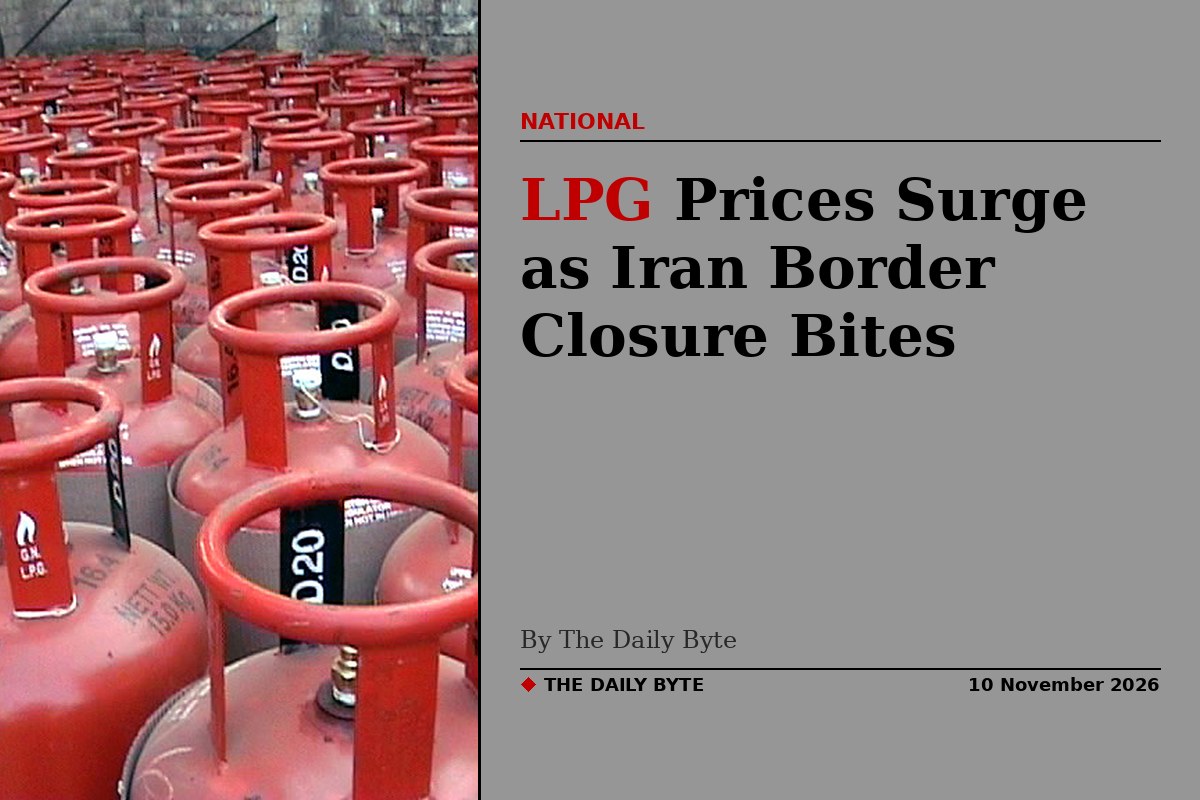
Households across Pakistan are paying far more for cooking gas after the closure of the border with Iran choked off imports, with prices in some areas running at more than twice the official rate. Federal Minister for Petroleum Ali Pervaiz Malik told the National Assembly that the border closure was one of the main reasons for the sharp rise in liquefied petroleum gas (LPG) prices.
Pakistan produces only about a quarter of the LPG it consumes, and imports have long filled the gap. The minister told the house that 50 to 60 per cent of imported LPG came from Iran, with the rest coming from Qatar, and that Qatari supply had also been suspended because of the war in the region.
Prices far above the official rate
The Oil and Gas Regulatory Authority (OGRA) had fixed the official LPG price at about Rs279 per kilogramme for October, and raised it to about Rs294 per kilogramme for November. In the open market, however, the fuel is selling for far more. Lawmaker Aliya Kamran told the National Assembly that LPG was selling for Rs700 to Rs800 per kilogramme in remote and northern areas.
Traders said a 12-kilogramme cylinder had jumped from about Rs4,500 to about Rs7,000 within days of the border closure. Reports put market rates at Rs550 to Rs600 per kilogramme in several areas, reaching Rs750 in parts of Khyber Pakhtunkhwa.
Border crossings shut since 17 October
Pakistan's Ministry of Commerce suspended traffic at the Gabd-Rimdan and Taftan crossings with Iran on 17 October, citing security and anti-smuggling concerns. Traders said Pakistan had been importing around 7,000 metric tons of LPG a day from Iran before the closure, leaving tankers stranded and supplies short.
The minister said the government was working to bring fuel in by sea while it seeks other sources of supply. Four state-owned companies have been directed to import LPG, and the government has introduced a transparent auction system for locally produced gas to improve availability and protect consumers.
Winter demand adds pressure
The shortage comes as winter approaches, when demand for gas for cooking and heating rises. The minister said the government would try to maintain piped gas supplies for meal times during winter and would turn to additional liquefied natural gas imports if needed.
For now, households in the worst-hit areas face a difficult choice: pay several times the notified price, or cut back on cooking. The government says its import and auction plans should ease the shortage, but it has not said when prices will return to near the official rate.