Pakistan Offers Bangladesh Energy Crisis Expertise
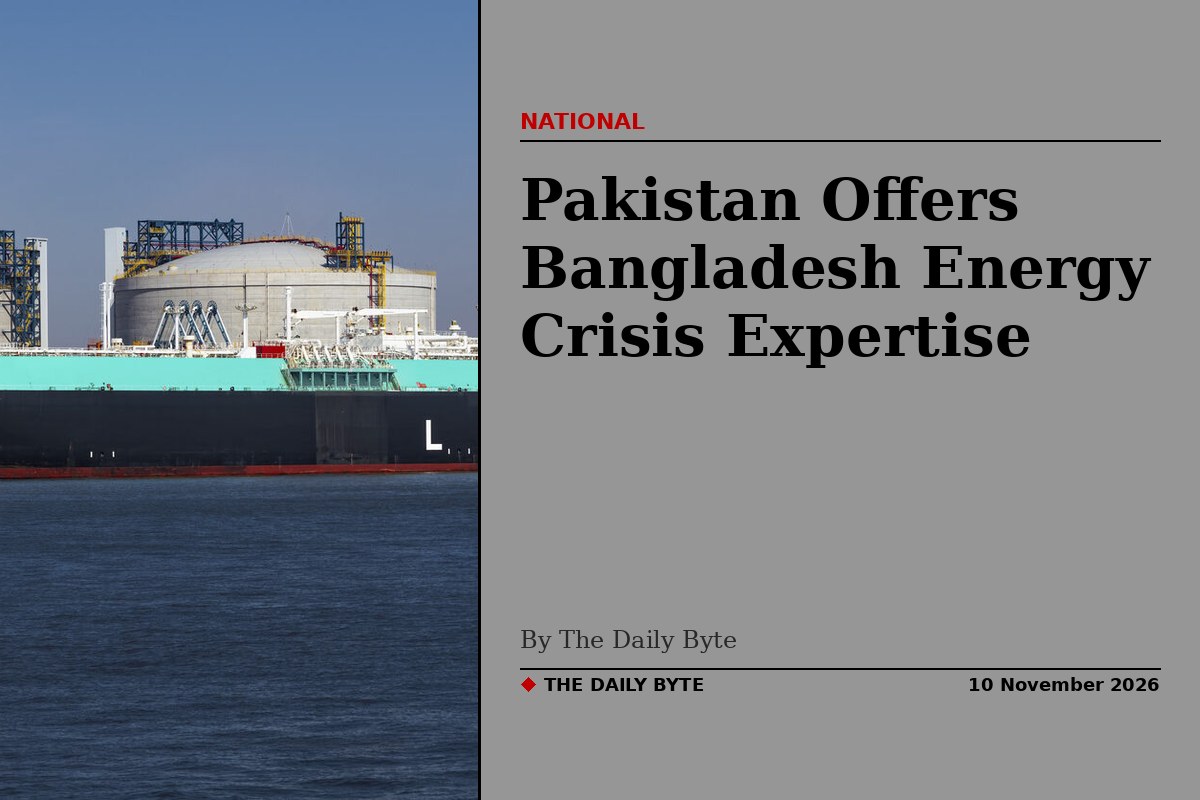
Pakistan has offered to share its experience of managing the energy crisis with Bangladesh, after talks in Islamabad on fuel supplies, liquefied natural gas cargoes and the disruption caused by the Middle East conflict. Petroleum Minister Ali Pervaiz Malik met Bangladesh's Finance Adviser, Rashed Al Mahmud Titumir, in Islamabad on 2 November 2026.
The two sides discussed their strategies for managing what the Pakistan High Commission in Bangladesh described as an unprecedented energy crisis, keeping fuel supplies running and limiting the damage to their economies from uncertainty in international energy markets. The crisis follows the Middle East conflict and the closure of the Strait of Hormuz, the shipping route through which about one-fifth of global oil shipments pass.
What was discussed
Malik briefed the Bangladeshi adviser on Pakistan's efforts to secure fuel supplies in difficult international circumstances, including targeted fuel subsidy measures designed to give relief to the public while managing the impact of the crisis. He also shared details of the government's initiatives to keep fuel available despite the disruption to shipping and energy markets.
Titumir shared the steps Bangladesh has taken to ensure fuel security and to manage the emerging challenges. He said the crisis had brought energy security to the forefront of policymaking and stressed the need to make it a central part of national energy strategies, including by diversifying energy sources and supply routes to strengthen resilience against global disruption.
What each side said
Malik said Pakistan was willing to share what it had learned. "Pakistan is willing to share its experiences and lessons with Bangladesh to support their efforts in managing the energy crisis and strengthening energy security," he said, underlining the importance of preparedness, diversification and regional cooperation in navigating global energy disruption.
Titumir commended Pakistan's efforts to secure LNG cargoes from Qatar through the Strait of Hormuz despite the volatility, and appreciated Pakistan's diplomatic efforts towards de-escalation of the conflict involving Iran. He said de-escalation was essential for global economic stability, as the crisis was affecting economies and energy markets worldwide.
Why the talks matter
Both countries are heavily dependent on imported fuel, and both have felt the pressure as the Middle East conflict has pushed up prices and disrupted shipping. For Bangladesh, the meeting was a chance to compare notes with a neighbour facing the same pressures. For Pakistan, it was an opportunity to present its own handling of the crisis, including its fuel subsidy programme and its work to keep LNG supplies moving, as experience worth sharing.
The meeting also reflects the warming of ties between the two countries, which have been rebuilding their relationship after years of distance. Energy is one of the practical areas where the two governments have found common ground, alongside trade and regional cooperation.
Neither side announced a formal agreement or a new deal from the meeting. The offer stands as a practical one: Pakistan will share its experience of keeping fuel flowing through a period of war and shipping disruption, and Bangladesh will weigh what applies to its own energy system. The two sides agreed to keep talking as the crisis develops.