Pakistan collects Rs220bn petroleum levy in two months
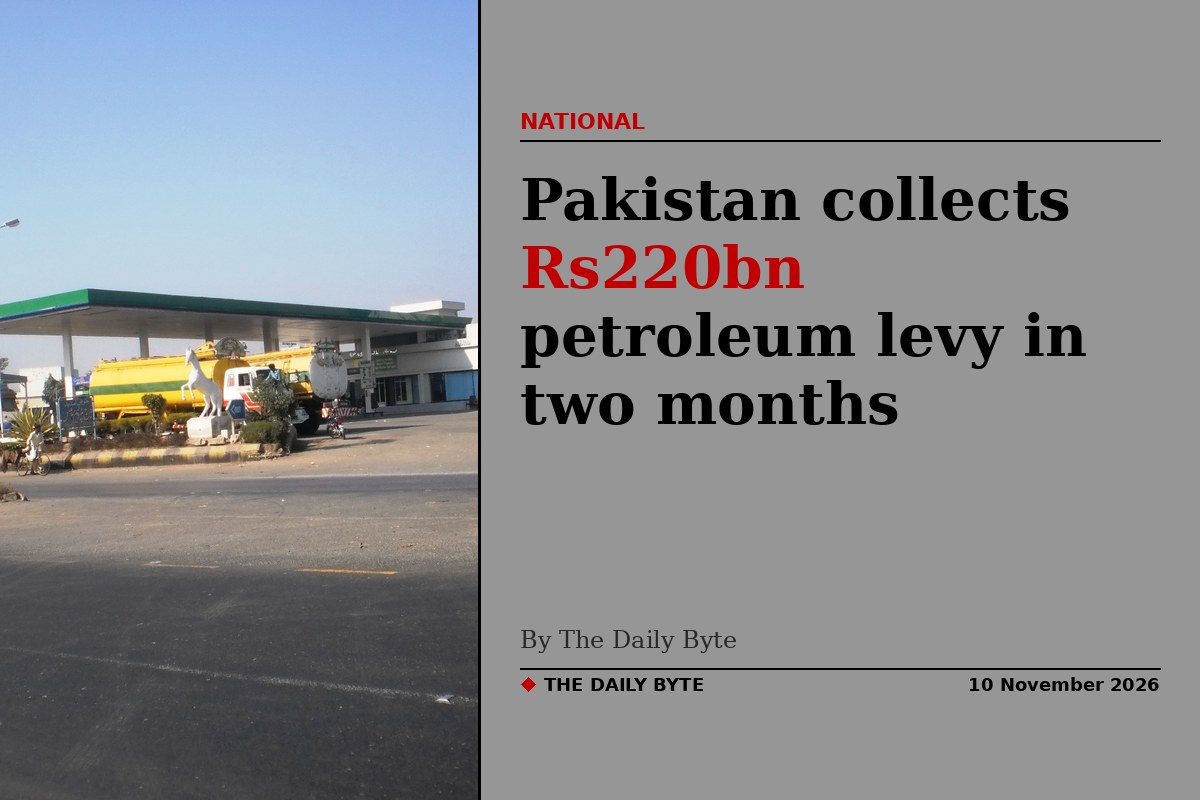
The federal government collected Rs220 billion through the petroleum levy in July and August, the first two months of fiscal year 2026-27, according to official data reported on Tuesday.
The figure puts the government on course towards its full-year petroleum levy target of Rs1.676 trillion, to be collected by 30 June 2027. The target is Rs109 billion higher than the Rs1.567 trillion collected during the previous fiscal year.
Levy stays at Rs80 a litre
The government is currently charging a petroleum levy of Rs80 per litre on both petrol and high-speed diesel. The levy is one of the federal government's largest sources of revenue, and it is collected on top of other fuel charges rather than as a sales tax.
Alongside the petroleum levy, the Climate Support Levy, also known as the carbon levy, generated Rs27.5 billion in July and August. The New Energy Vehicle (NEV) Adoption Levy contributed a further Rs7.225 billion over the same two months.
The government has set a Climate Support Levy collection target of Rs50 billion for 2026-27, broadly in line with the Rs50.159 billion collected during the previous fiscal year.
Talks on cutting the levy continue
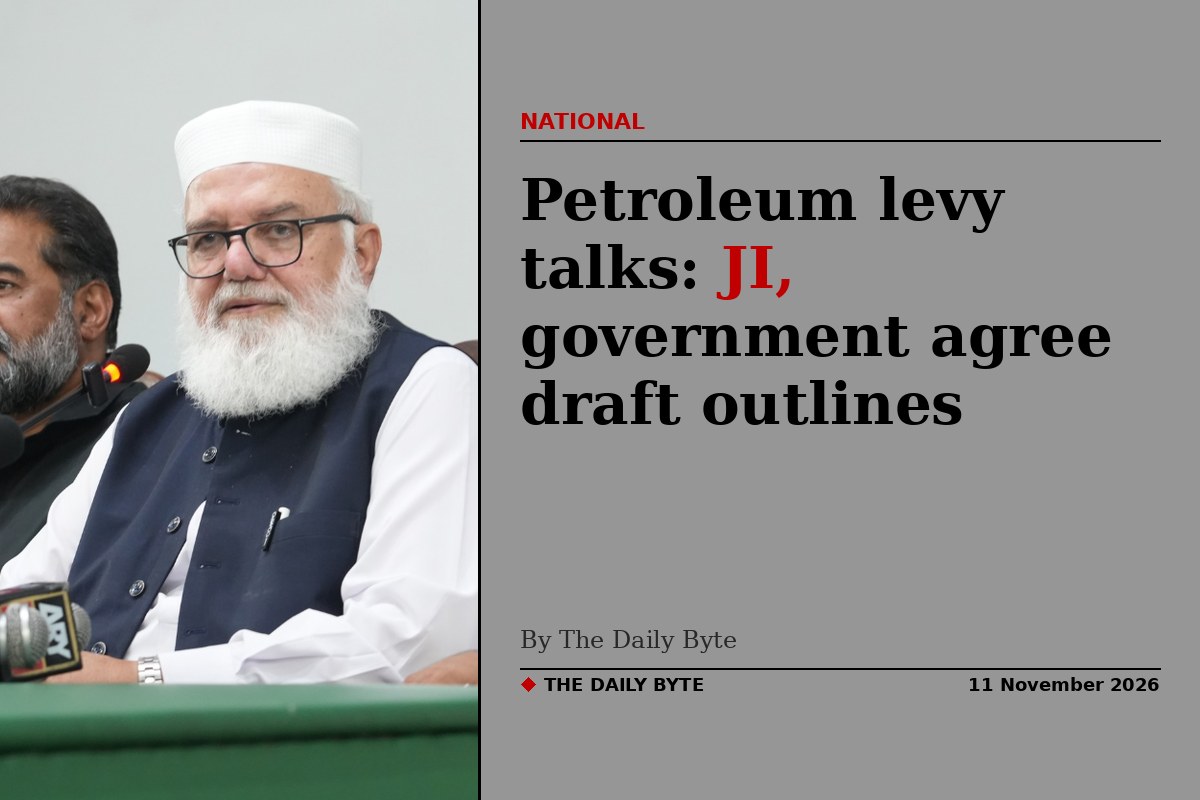
The government is still negotiating with Jamaat-e-Islami (JI) on ways to reduce the petroleum levy. The party has pressed for relief from the levy, which feeds directly into the pump prices paid by motorists and transporters.
However, the budgetary framework agreed with the International Monetary Fund under the $7 billion Extended Fund Facility leaves little fiscal space for reducing the levy at this stage, according to the official data reported in the press. Any cut would have to be offset elsewhere in the budget if the government is to meet the revenue targets agreed with the Fund.
The levy target for the current year was raised from the initial budget estimate of Rs1.468 trillion set for the previous fiscal year, reflecting the government's reliance on fuel taxes to close its fiscal gap. With Rs220 billion collected in the first two months, the government has raised about 13 per cent of the annual target so far.
What it means for fuel prices
For consumers, the figures confirm that the levy will remain a heavy part of the price at the pump for now. Petrol and diesel prices are revised regularly, and the Rs80-a-litre levy is charged before the final retail price is set.
Until the talks with Jamaat-e-Islami produce an agreed change, or the government finds room within its IMF programme to ease the levy, motorists should expect the charge to stay in place.