Punjab Assembly Passes Theatre Bill
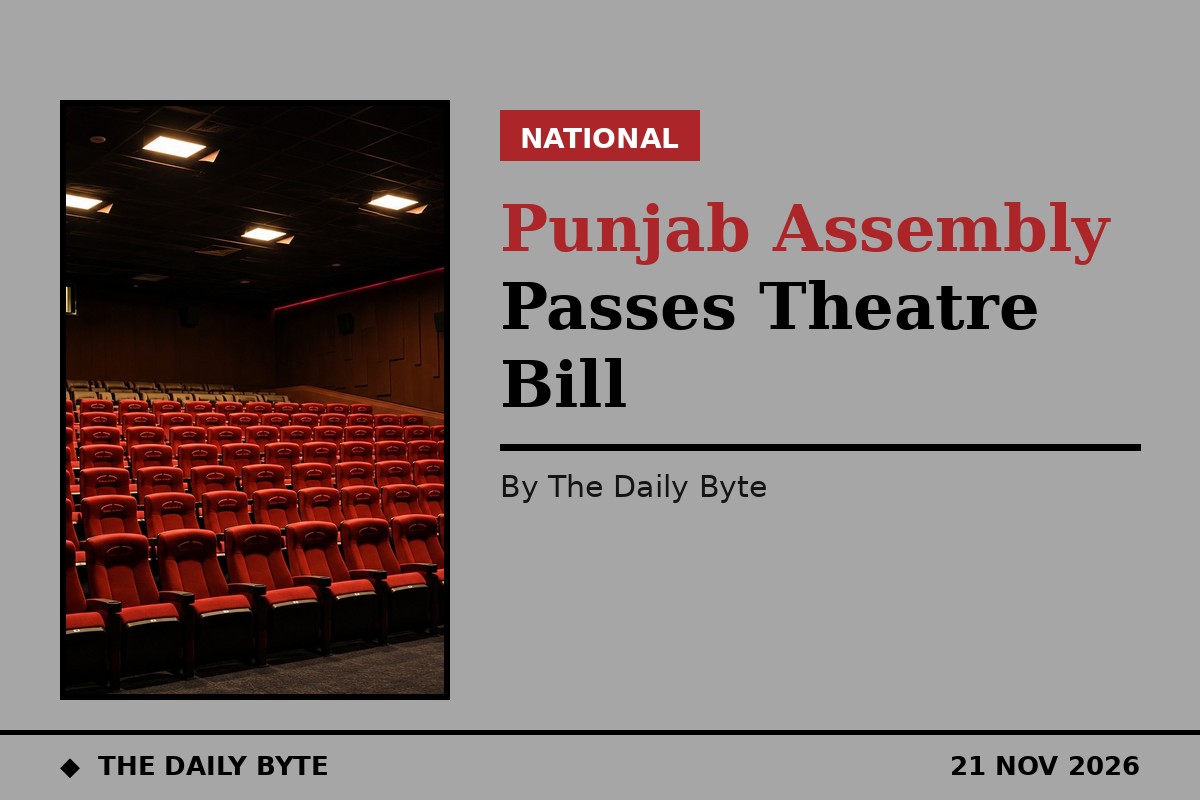
The Punjab Assembly has passed a new law to regulate stage performances in the province, making it compulsory for performers to register and requiring scripts to be approved before a show can go on. The Punjab Dramatic and Theatrical Performances Bill 2026 was passed on Wednesday, 18 November, by a majority vote, with every amendment moved by the opposition rejected. It was one of eight bills the house passed in a single sitting.
Under the law as reported, every performer must register before taking part in a stage production, and organisers must have their scripts approved at least 15 days before a show. Productions must also hold a full-dress rehearsal before a censor committee, livestream performances to the Punjab Council of the Arts, and keep recordings for 30 days. The law sets up licensing, monitoring and penalties for theatres, and venues that break the rules can face action, including closure.
Whether artists will have to pay to register remains unsettled in the public record. Reporting on the passed law says the registration fee for artists has been abolished, while opposition members warned during the debate that fees would put work out of reach for many performers. The final text of the law, its fee schedule and its commencement arrangements had not been published when the vote was reported, and the governor's assent and official notification are still required before it can take effect.
Opposition calls it a 'black law'
Opposition lawmaker Waqas Mahmood Maan told the house that many artists could not afford to pay to register and objected to the rule requiring permission 15 days before an event. Another opposition member, Ejaz Shafi, called the bill a 'black law', arguing that compulsory registration and heavy fines would hurt performers and the people who run fairs and traditional festivals. He asked the government to open the bill to public comment and consult the artistic community before pressing ahead.
The opposition also challenged the sitting's quorum three times, but the treasury benches secured the attendance needed for proceedings to continue on each occasion. The session was chaired by Speaker Malik Muhammad Ahmad Khan and began one hour and 46 minutes late, according to accounts of the sitting.
Government says it is regulating, not banning
Information and Culture Minister Azma Bukhari told the assembly the government was regulating theatre, not banning it. She said the aim was to restore a family-friendly environment in which parents could watch performances with their children, and that producers and performers had been consulted while the law was being prepared. She also alleged that female artists had been pressured by wealthy producers to wear inappropriate clothes and perform objectionable acts, and said the government wanted to protect performers and audiences rather than close theatres.
Bukhari told the house the government had doubled the Artist Support Fund, announced a Film Fund and was setting up a Film City in Punjab to create work for artists. The minister's cultural promises were described as part of a wider programme, separate from the theatre law itself, and no timetable was announced for them.
What is still unclear
The debate focused on commercial theatres, the ticketed venues that depend on nightly audiences, but the bill's title covers dramatic and theatrical performances as a category. It is not clear from the public accounts of the vote how far the registration and script-review requirements reach beyond commercial stage dramas, or whether school, community or travelling productions would need the same permissions. Opposition members also questioned how the rules would apply to performances at melas, or folk festivals.
The assembly also passed amendments covering motor vehicles, stamp duties, public universities and public medical universities in the same sitting. For performers and organisers, the practical questions, what registration will cost, how script review will work and what a theatre loses if it gets either wrong, will only be answered when the governor acts and the rules are published.