Shehbaz, Hafiz Naeem to Meet on Fuel Relief Next Week
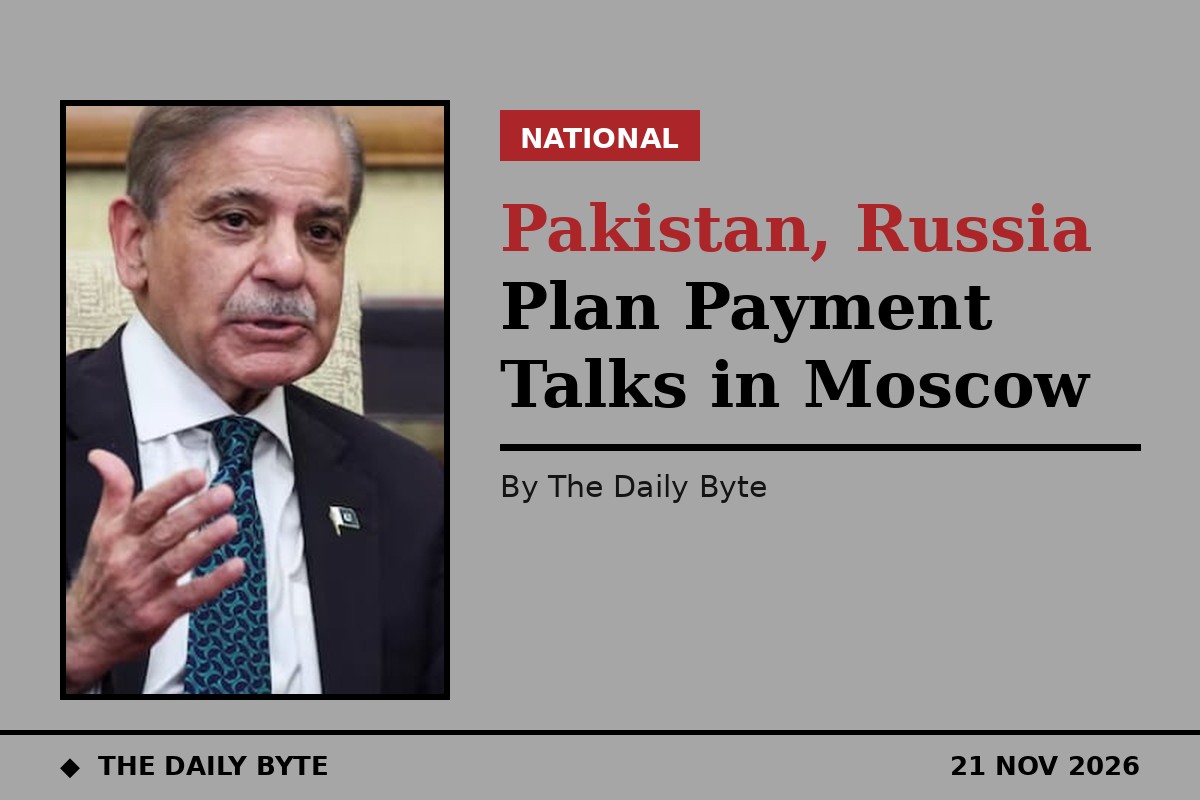
Prime Minister Shehbaz Sharif and Jamaat-e-Islami chief Hafiz Naeemur Rehman are expected to meet on 24 or 25 November to finalise a fuel relief package, after committee-level talks between the government and the party concluded.
Jamaat-e-Islami deputy chief Liaquat Baloch said on Thursday that negotiations with a government team led by Deputy Prime Minister and Foreign Minister Ishaq Dar had finished at committee level, and that the two leaders' meeting would settle the mechanism for reducing the petroleum levy and providing relief to consumers.
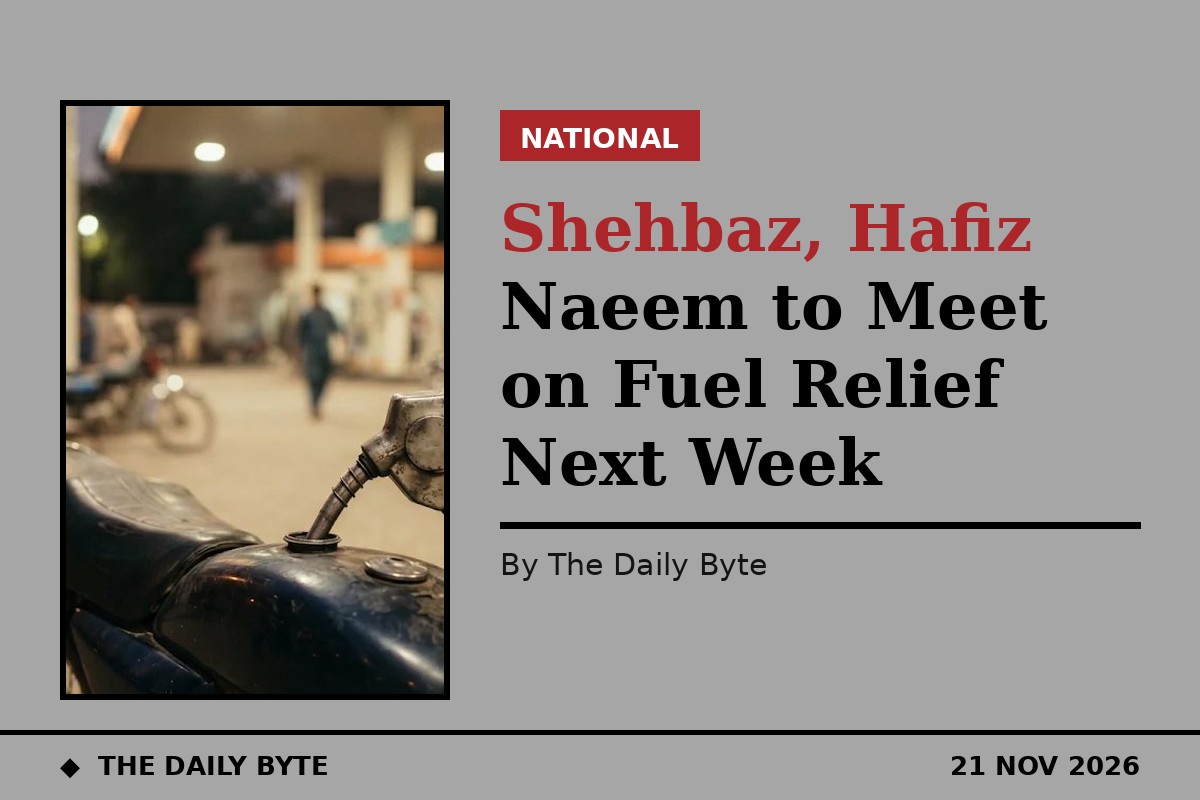
The party's proposals include gradually cutting the petroleum levy, which currently stands at Rs85 a litre, extending the existing fuel subsidy to cars with engines up to 1,000cc, and relief for farmers cultivating up to 12.5 acres, including tractors. Baloch said the party had told the government it did not necessarily have to abolish the levy entirely, but could reduce it through alternative fiscal measures to address the deficit.
What the current scheme covers
Under the scheme as it stands, motorcycle and rickshaw users receive a weekly petrol token worth Rs500, up to four a month, while owners of cars with engines up to 800cc get Rs100 off per litre on up to 10 litres every 10 days. The scheme is estimated to cost about Rs75 billion.
Baloch credited the party's protests with securing lower fuel prices, claiming petrol had fallen to Rs325 a litre from a projected Rs620, and that consumers had received relief of Rs146 a litre on petrol and Rs242 a litre on diesel. He also said more than Rs32 billion a month was being given to the public under the relief measures. Those figures are his claims, not official price data: petrol currently retails at Rs322 a litre after a Re1 cut that took effect on 21 November.
The Foreign Office described the Dar meeting as a constructive engagement. In a statement, it said Dar had held a follow-up meeting with the Jamaat-e-Islami delegation to continue consultations on petroleum prices and on expanding the existing fuel subsidy scheme, and that reducing the financial burden on ordinary citizens remained the government's foremost priority. The statement said structural reforms in petroleum policy, along with adjustments in global prices, had helped reduce petrol prices by Rs133 a litre and diesel by Rs162 a litre since April 2026.
The IMF wants the subsidy phased out
The talks are taking place against pressure from the International Monetary Fund to end the subsidy. An IMF spokesperson told Arab News that the scheme should be phased out because it was too broadly targeted, and that any future fuel support, should oil prices rise unexpectedly, should be limited, time-bound, targeted at needy households through established social assistance programmes, and kept within the 2026-27 budget.
The Fund had already called for the scheme to be phased out promptly in its 7 October staff-level agreement, citing its high cost and broad coverage. Pakistan introduced the subsidy in September to shield low-income motorists from higher petroleum prices linked to the war between the United States and Iran.
The staff-level agreement, covering the fourth review of Pakistan's $7 billion Extended Fund Facility and the third review of its $1.4 billion Resilience and Sustainability Facility, still awaits approval by the Fund's Executive Board, which is expected to meet in December, subject to programme conditions being met. Approval would release about $1 billion under the facility and a further $210 million through the resilience facility.
Neither the government nor the party has published the draft agreement Baloch referred to, and no figure has been put on the relief or on the levy rate. The meeting on 24 or 25 November is therefore the point at which the outline proposals either become a concrete package or return to the negotiating table.