Shoaib Shooter Jailed After Bail Cancelled
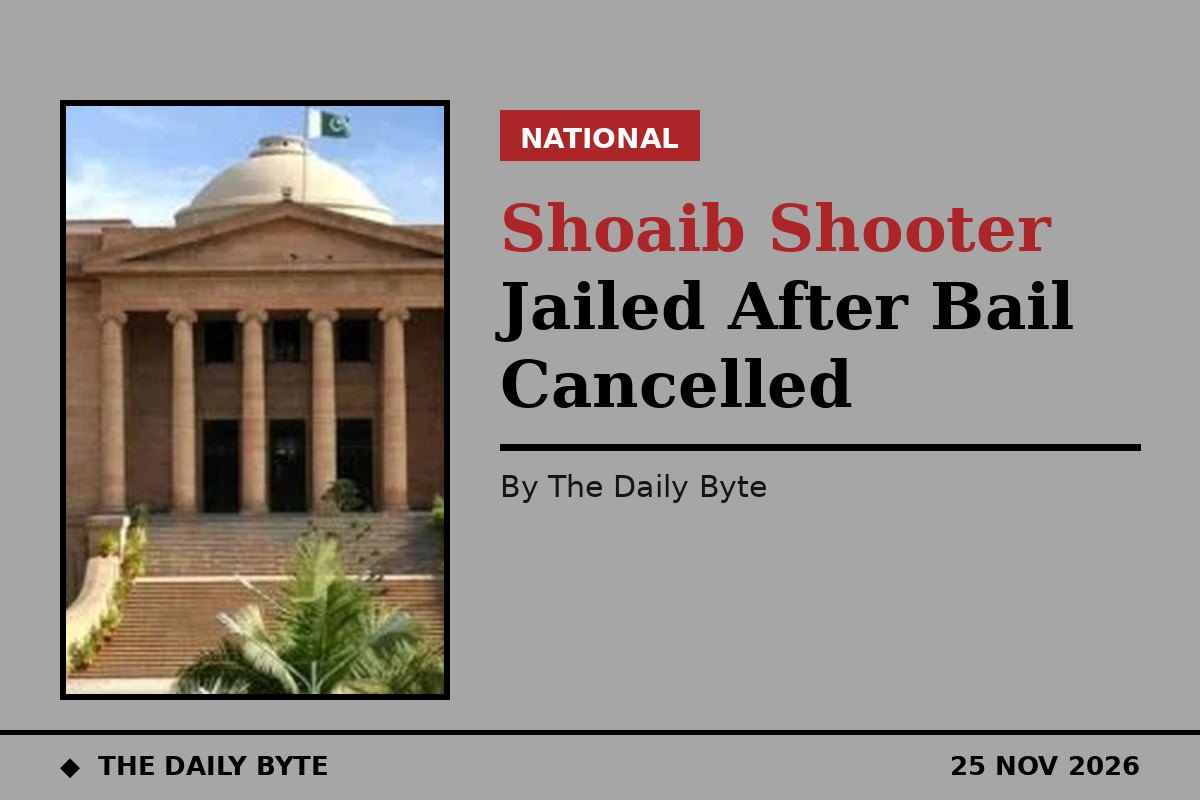
A Karachi anti-terrorism court has cancelled the bail of former station house officer Shoaib Shooter and ordered his arrest inside the courtroom, after finding that he intimidated witnesses in a separate kidnapping case. Shoaib, a former associate of ex-Malir senior superintendent of police Rao Anwar, was taken into custody and sent to jail.
Anti-Terrorism Court Judge Aurangzeb Alamgir Qazi heard an application from the complainant in a kidnapping case registered at Mobina Town police station, over the alleged abduction of the complainant's son. The application alleged that Shoaib had threatened witnesses with death and other serious consequences. The judge found the allegations established, ruled that Shoaib had abused the concession of bail, and cancelled it.
Protection for witnesses
The judge also expressed displeasure with the deputy superintendent of police of the Anti-Violent Crime Cell for failing to provide protection to the witnesses. He warned that such failures could undermine public confidence in the judicial system. The court issued production orders directing the authorities to bring Shoaib before it at the next hearing.
Shoaib was a police officer named among the accused in the Naqeebullah Mehsud murder case, one of the most closely watched police cases in Karachi in recent years. Naqeebullah, a 27-year-old aspiring model from South Waziristan, was killed along with three other men in a police encounter in Karachi's Shah Latif Town area on 13 January 2018.
The Naqeebullah case
The police team, led by then-Malir SSP Rao Anwar, claimed the four men were militants. Naqeebullah's family rejected that account, alleging he had been killed in a staged encounter. The killing triggered nationwide protests and widespread outrage. An inquiry committee later declared the encounter fake and found that Naqeebullah had no links to terrorism.
In January 2023, a Karachi anti-terrorism court acquitted Rao Anwar and 17 other police officers in the murder case, ruling that the prosecution had failed to prove the charges beyond reasonable doubt. The verdict came after a five-year trial that brought widespread attention to allegations of extrajudicial killings and police misconduct in Karachi.
What the ruling means
The order does not decide the kidnapping case itself. It removes Shoaib's liberty while the proceedings continue, on the court's finding that he used threats against witnesses. The case will return to court at the next hearing, when Shoaib must be produced before the judge. Until then, he remains in custody, and the witnesses in the kidnapping case are meant to be protected by the police unit the judge criticised.