Spain returns Ceuta asylum seekers to Morocco amid rights outcry
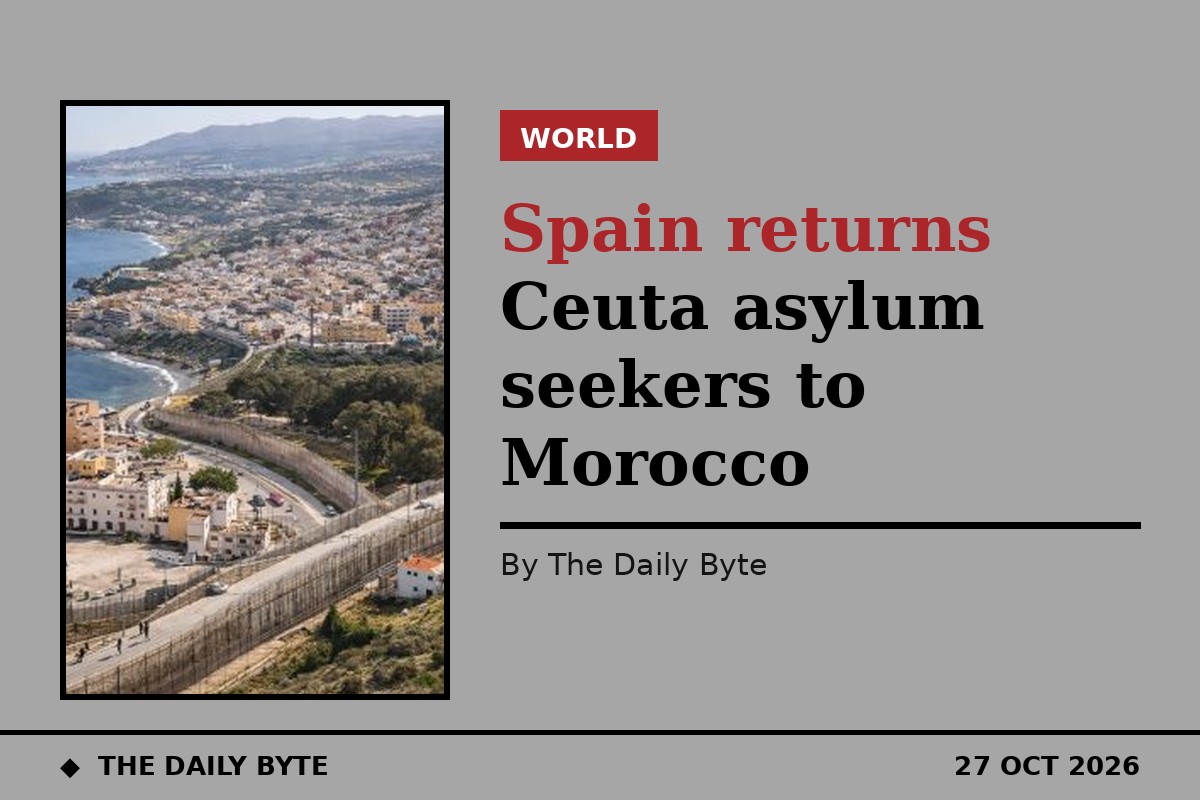
Spain has returned to Morocco more than a dozen sub-Saharan African and Asian migrants who reached the Spanish enclave of Ceuta and were turned down for asylum, the first deportation of its kind from the enclave since a mass border crossing in July 2026, Reuters reported on 27 October 2026.
What each side says
Spain's Interior Ministry said Morocco agreed to receive the group and that they remained on Moroccan territory; it declined to give numbers or nationalities. Migrant and rights charities operating in Ceuta said 16 people — from Senegal, Nigeria, Yemen, Cameroon and Bangladesh — were deported; that figure comes from the charities, not the ministry, and is attributed as such here. Amnesty International researcher Virginia Alvarez criticised Spain, saying it was “not ensuring that human rights guarantees are met” for people crossing into Ceuta and Melilla, and that “Morocco does not respect many human rights.” A Spanish Interior Ministry spokesperson told Reuters that Morocco is considered by the EU to be a safe country and deportations are carried out “with all the necessary safeguards”, without providing further details.
Background
Over 48 hours in July, some 80,000 people crossed from Morocco into Ceuta, a tiny enclave that, along with Melilla, represents Europe's only land borders with Africa. While most returned within days, thousands remain, and Prime Minister Pedro Sánchez's government is under pressure to resolve the Ceuta crisis before elections on 29 November. Neither Morocco's Interior Ministry nor the International Organization for Migration responded to Reuters' requests for comment. This story rests on a single Reuters wire with multiple quoted parties; it is not presented as multiple independent newsroom confirmations.
Sources: Reuters; Spanish Interior Ministry; Ceuta charities; Amnesty International, 27 October 2026.