Sri Lanka Eyes New IMF Deal as $2.9bn Programme Nears End
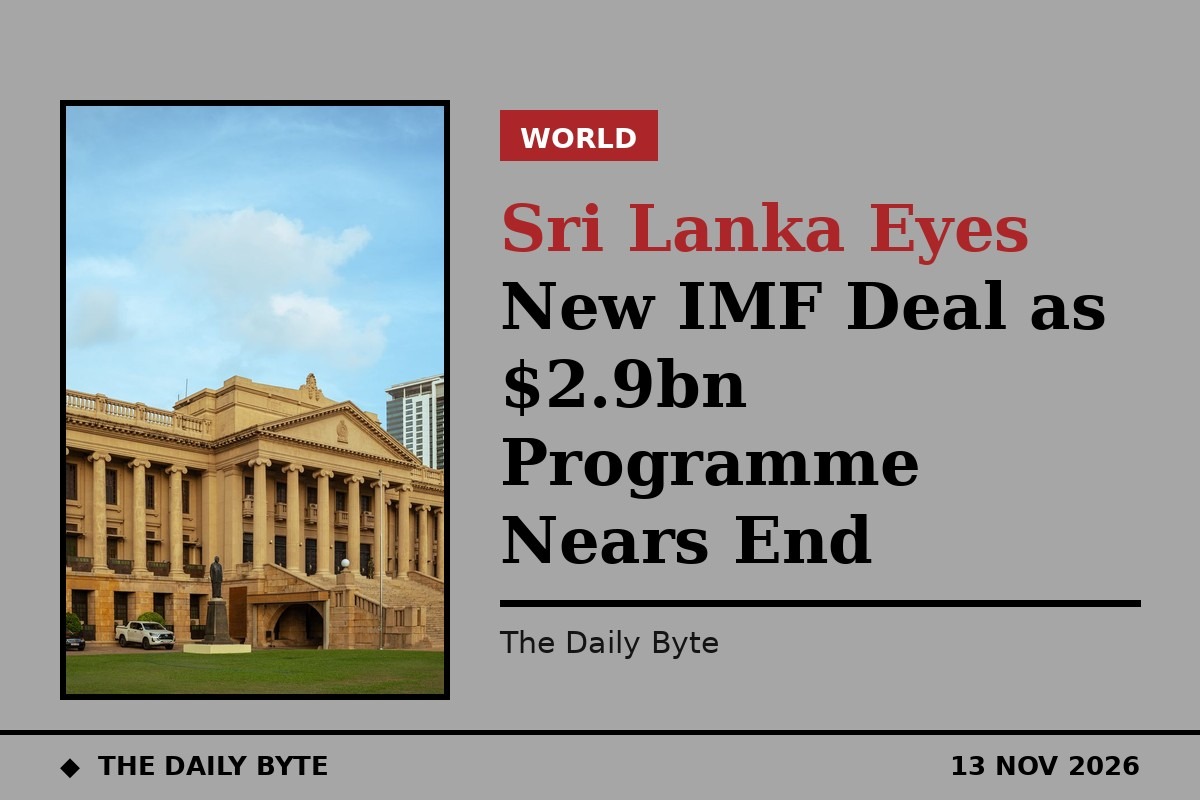
Sri Lanka is likely to enter a fresh agreement with the International Monetary Fund once its current programme comes to an end, the country's Deputy Finance Minister has indicated, signalling that Colombo intends to keep its structured relationship with the global lender beyond the existing bailout.
The current arrangement, a four-year Extended Fund Facility worth about $2.9 billion, is due to conclude in March 2027. It was agreed in 2023 after Sri Lanka defaulted on its foreign debt and fell into its worst economic crisis in decades, when shortages of fuel, medicine and other essentials gripped the island.
President Anura Kumara Dissanayake told Parliament during the presentation of the 2027 budget on 12 November that the government was assessing whether to seek a new programme after the present one expires. The Cabinet has appointed a committee, led by the Deputy Minister of Finance and Planning, to examine the question and recommend what form any successor arrangement should take. The committee includes the Central Bank Governor, the Finance Ministry Secretary and economic specialists.
Why the decision matters now
The timing is significant. Investors are watching closely to see what happens when IMF oversight ends, particularly because Sri Lanka's external debt-service payments are expected to rise from 2028. A new agreement would keep the reform agenda and the Fund's regular reviews in place while the country rebuilds its reserves and works towards further credit-rating improvements.
The IMF itself has said it stands ready to support Sri Lanka beyond the current programme. Sonali Jain-Chandra, a deputy director in the Fund's Asia and Pacific Department, said at the IMF's annual meetings in October that a new financing arrangement was among several options for future engagement, although any request for another programme would be the government's decision. She stressed that completing the remaining reviews under the current facility and consolidating the economic gains made so far must remain the immediate priorities.
Sri Lanka's economy has stabilised considerably since the depths of the crisis. The IMF reported that the economy grew by 4.2 per cent year on year in the second quarter of 2026, and official reserves reached $6.9 billion at the end of August. But the recovery remains fragile, with oil prices uncertain, weather-related risks growing and debt sustainability risks still described as high.
A shift from the exit plan
The latest signal marks a change of emphasis from comments made in September, when a minister said the government intended to complete the current programme and exit it in 2027 without seeking a successor arrangement linked to debt restructuring. The government now appears to be keeping its options open, with the President saying disagreements between the government's policies and IMF conditions have been limited and that the Finance Ministry and the Central Bank are assessing options for a programme aimed at maintaining stability while supporting growth.
Under the current programme Sri Lanka committed to far-reaching fiscal adjustments, including tax reforms and tighter controls on spending, alongside measures to rebuild foreign reserves and restore debt sustainability. The programme's framework set a target of bringing public debt below 95 per cent of GDP by 2032, down from around 128 per cent in 2022, and the government has pointed to progress towards that goal.
What happens next
Further details on the scope, timing and conditions of any prospective new programme are expected to emerge as the current arrangement moves towards completion. The committee appointed by the Cabinet is expected to report on whether Sri Lanka should enter another IMF programme after March and, if so, what shape it should take.
For now, the government's message is that engagement with the Fund will not simply stop when the present programme ends. Whether that engagement takes the form of a full new lending arrangement or a lighter monitoring relationship will be decided in the months ahead, and the decision will shape Sri Lanka's economic path well beyond 2027. Source: Lanka Newspapers | Also reported by Sri Lanka Chronicle