Stormont EV chargers: MLAs must pay after review
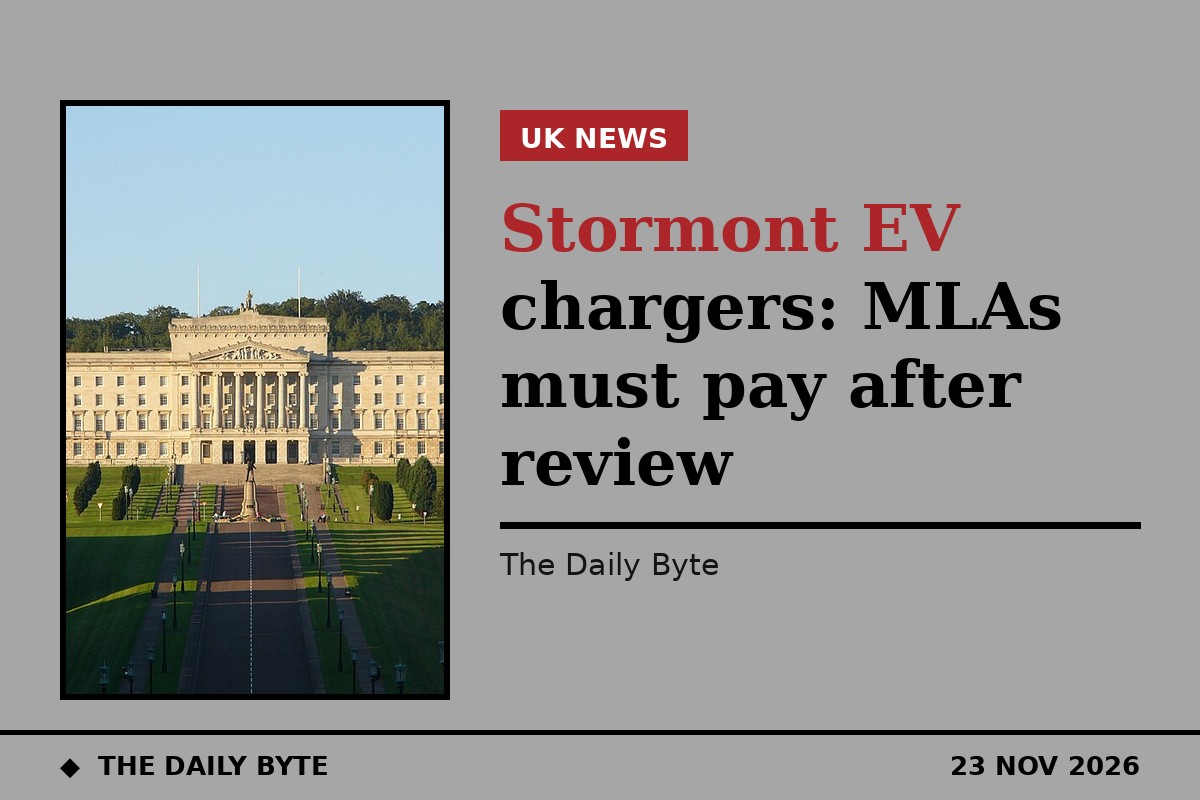
Members of the Northern Ireland Assembly will soon have to pay to charge their electric cars at Stormont, after an internal review found the Assembly breached its own policies in how free charging was handled. The review found the failings were the result of flawed processes rather than bad faith, and that MLAs themselves had no role in the decisions behind them.
The free chargers sit in an upper car park at Parliament Buildings that is not open to the general public, while drivers using the two chargers in the nearby visitors' car park on the Stormont estate have to pay. The arrangement came under scrutiny after a BBC News NI investigation in June revealed that some MLAs were using the free chargers while also claiming travel expenses. The charging points have been suspended since June, after Stormont parties asked officials to introduce a payment system following a public backlash. Charge Scheme reports that the Assembly's chief executive, Lesley Hogg, said a new policy requiring MLAs to pay is due to begin in the coming weeks.
What the review found
The fact-finding review was carried out by senior official Robin Ramsey and runs to more than 70 pages. BBC News NI obtained a copy through a Freedom of Information request, with some sections redacted on data protection grounds. It found there had been "no active decision" to provide free charging when some of the chargers were first installed in 2015, and that the arrangements were never properly reviewed as the facilities developed.
The review also examined a change that cut the retention period for charger booking records from 90 days to seven days. The change was introduced on 12 May, just three days after a Freedom of Information request was submitted seeking the booking details. Ramsey found that the initial response to that request did not comply with Freedom of Information legislation, but that the retention change itself was not motivated by the request: it originated in October and December 2025 on data protection grounds, and no formal request to make the change had been submitted in line with the Assembly's own policies. He found no evidence of bad faith or improper motive.
The review also highlighted inconsistencies in changes made to allow all-day bookings, which meant the booking system "technically" appeared to have been in contravention of other Assembly policies over the preceding two years. Ramsey concluded that the problems resulted from multiple decisions, assumptions and procedural flaws, rather than a single major failure.
MLAs had no role in the decisions
The report is clear that the MLAs who used the chargers did nothing wrong: using them was within the existing rules, and the failings concern how the scheme was administered. MLAs are already entitled to an annual allowance for attending Stormont, worth almost £7,000 for those travelling the furthest distances.
The Assembly Commission, which oversees the running of Parliament Buildings and is made up of MLAs from Stormont's five main parties, will now oversee the move to paid charging. The episode leaves the Assembly with a paid system to run and a review that describes a lack of care, oversight and attention to detail in the governance of the charging system and in the management of policy and process overall.
Frequently asked questions
Will MLAs have to pay to charge their cars at Stormont? Yes. A new policy requiring MLAs to pay for charging is due to begin in the coming weeks, after the free charging points were suspended in June.
Did the review find anyone acted in bad faith? No. It found the Assembly breached its own policies, but that the actions examined were not taken in bad faith and that MLAs had no role in the decisions behind them.
Why were the chargers free in the first place? The review found there was "no active decision" to provide free charging when some chargers were installed in 2015, and the arrangements were never reviewed as the facilities developed.
What happened to the booking records? The retention period for charger booking details was cut from 90 days to seven days, and the review found the initial Freedom of Information response about them did not comply with the legislation.