Sudan fuel shortages strand aid trucks as crops suffer
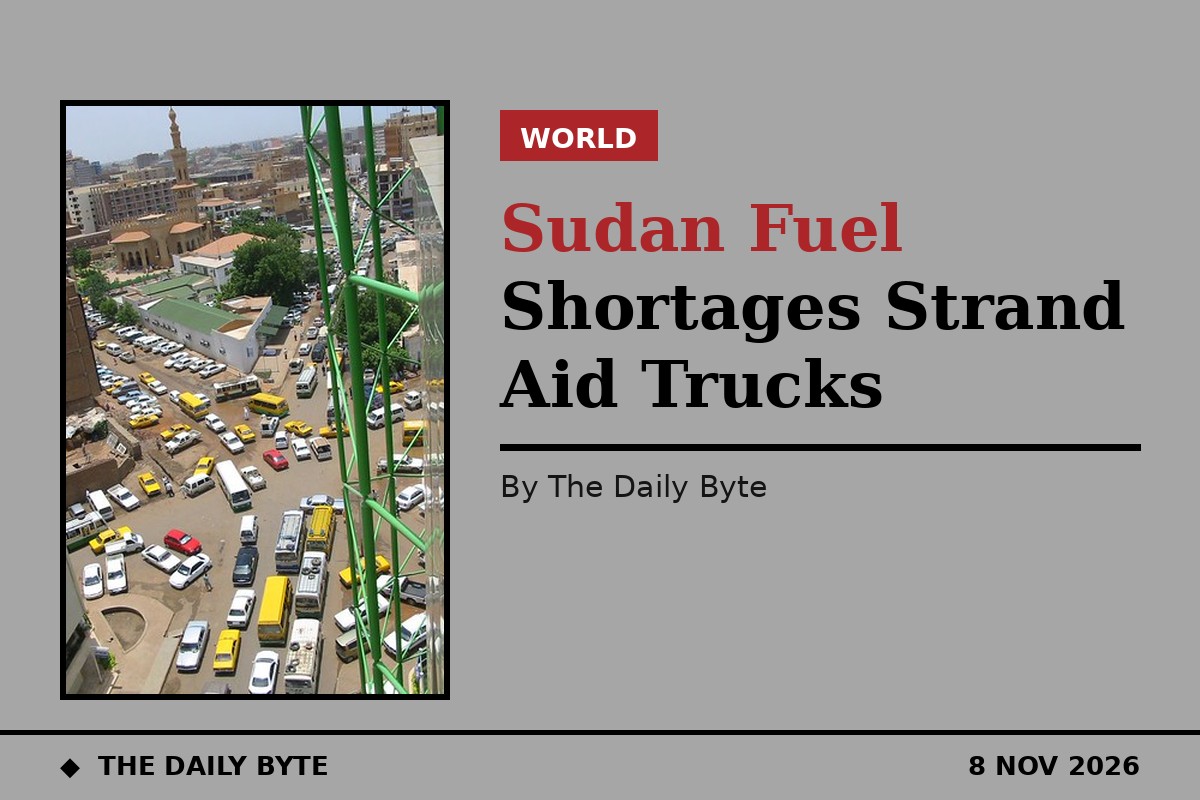
Fuel shortages in Sudan are now damaging crops in El Gezira and pushing food prices higher, while bakeries in North Kordofan have gone on strike, Radio Dabanga reported on Sunday. The shortages have already stalled much of the country's humanitarian lifeline.
Hundreds of United Nations relief trucks are stuck in Sudan because there is no fuel to move them, the UN's resident and humanitarian coordinator, Denise Brown, told UN News. Diesel is the immediate bottleneck: without it, convoys cannot reach people displaced by fighting or poor rains in Darfur and Kordofan.
The crisis is deepened by drone strikes on power stations. Brown said two weeks of attacks appeared to target civilian energy infrastructure, and the Soufan Center said in a 4 November brief that the strikes had left the national grid near collapse. WHO staff visiting a hospital just outside Khartoum watched the lights go out during a strike, halting treatment for 25 dialysis patients.
The shortage is also a cost-of-living crisis. A gallon of petrol now costs 40,000 Sudanese pounds in Gezira State and 35,000 pounds in Port Sudan, and the Transport Chambers Union has raised intercity bus fares by 40 percent and minibus fares by 30 percent. Traders say higher fuel prices have pushed the cost of moving a tonne of goods up by 30 to 50 percent.
Sudan's war began on 15 April 2023 between the Sudanese Armed Forces and the paramilitary Rapid Support Forces. The energy ministry has put war-related sector losses at 20 billion US dollars, and attacks on the Balila oil field disrupted supplies to the Khartoum refinery, which once met about 60 percent of petrol and liquefied petroleum gas demand. The UN secretary-general has condemned the drone campaign and called on both sides to protect civilians and agree a cessation of hostilities.