Supermarkets back UK-EU food trade deal
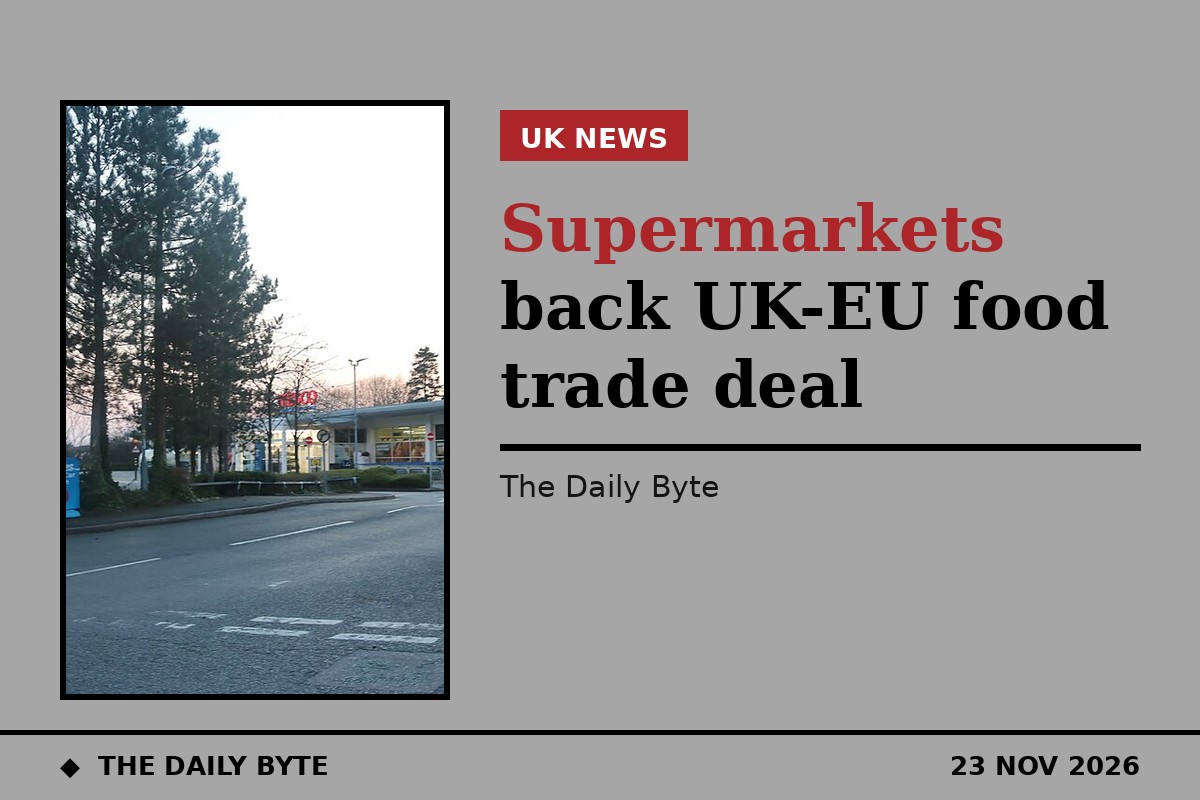
Britain's biggest supermarkets have backed the UK-EU food trade deal struck on Friday 20 November 2026, saying it will cut border paperwork, bring fresher food to shelves and help hold down food prices. Morrisons, Tesco, M&S, Asda, Lidl and the Co-op all praised the agreement, which was reached at the EU-UK Summit in Brussels.
At the heart of the deal is a common sanitary and phytosanitary (SPS) area between the UK and the EU. From 1 March 2028, it will remove export health certificates and routine border checks for the vast majority of food, animal and plant movements between Great Britain and the EU. Products such as fresh sausages, fresh burgers, seed potatoes and shellfish will once again be able to be exported to customers across the EU.
What the deal does for shoppers and businesses
The government says the agreement will strengthen food supply chains, reduce costs for businesses and help put downward pressure on food price inflation. The EU remains the UK's largest farming and food market: it took 58% of UK agri-food exports and supplied 69% of imports in 2025. The government says the deal could increase major agricultural exports to the UK's EU customers by around 16%.
Retailers say the practical gains matter as much as the headline figures. M&S food managing director Alex Freudmann said food would reach shelves with up to two extra days of shelf life once the bureaucracy is removed. The British Retail Consortium has described the deal as a big win for retailers, the wider food industry and consumers. Farming groups including the National Farmers' Union have also backed it, according to The Grocer's analysis of the agreement.
What it is worth, and what it is not
The government estimates the food deal could be worth up to £5.1 billion a year to the UK economy by 2040, increasing GDP by up to 0.14%. That is a modelled estimate measured against projected levels in 2040, not money arriving in 2028. Export health certificates, which can cost businesses up to £200 each, and phytosanitary certificates, at around £25 an item, will be scrapped for most movements.
Ministers have been careful not to promise cheaper shopping outright. Business Secretary Jonathan Reynolds told the BBC he could not guarantee food would definitely be cheaper, pointing to other factors such as energy prices and developments in Iran. The deal is expected to put downward pressure on food price inflation, but no figure for the effect on shop prices has been published.
What happens next
Legislation to implement the deal is due to be introduced to Parliament in the week of 23 November 2026, and the government has published guidance for businesses on what changes and how to prepare, including a webinar on 30 November. The SPS agreement is due to apply from 1 March 2028, subject to UK and EU procedures, with some transition periods running beyond that date.
Frequently asked questions
When does the food trade deal take effect? The SPS agreement is due to apply from 1 March 2028, subject to UK and EU procedures.
Which supermarkets back the deal? Morrisons, Tesco, M&S, Asda, Lidl and the Co-op have all welcomed it, along with farming groups including the NFU.
Will food get cheaper? The government expects the deal to put downward pressure on food price inflation, but the Business Secretary has said he cannot guarantee food will definitely be cheaper, as other factors also affect prices.
What can be exported to the EU again? Products including fresh sausages, fresh burgers, seed potatoes and shellfish, which faced heavy checks or were blocked after Brexit.
Sources: GOV.UK; The Grocer.