UK Grocery Inflation Hits 2.6% as Shoppers Stockpile
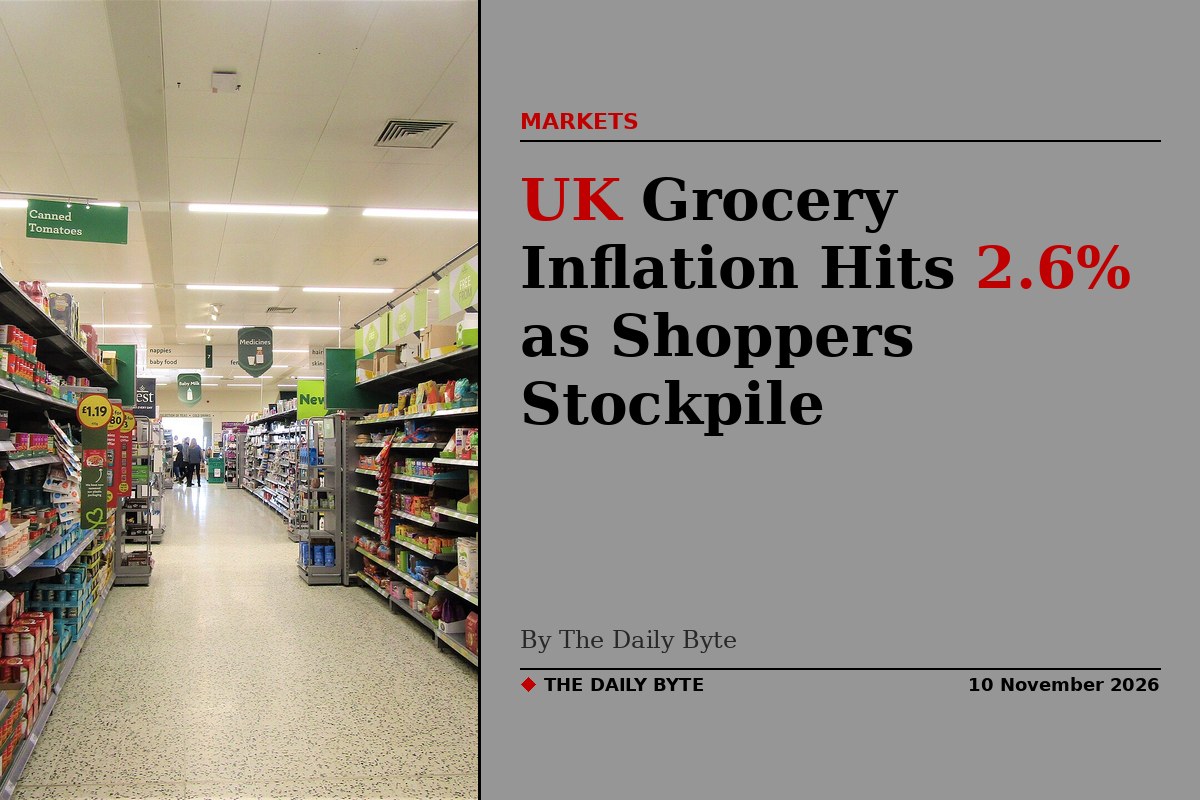
UK grocery price inflation rose to 2.6% in the four weeks to 1 November, up from 2.5% in the previous four weeks, according to new figures from Worldpanel by Numerator. Shoppers also stocked up on essentials after the government's Be Ready campaign urged households to prepare for disruption.
The rise marks a change of direction after grocery inflation slowed over the summer. Fraser McKevitt, head of retail and consumer insight at Worldpanel, said prices were still rising more slowly than at the start of the year, but the direction of travel had changed.
Shoppers stock up after Be Ready advice
Take-home grocery sales rose 2.2% year on year over the four weeks. Worldpanel said sales of key supplies surged after the government's public awareness campaign, which encouraged households to prepare for up to three days of disruption to essential services. Worldpanel stressed that the increase was not evidence of panic-buying.
In the ten days after the campaign was launched, sales of hand sanitiser rose 83% compared with the same period last year, bottled water sales rose 67% and tinned and jarred goods rose 37%. The number of people buying tinned meat each day rose 43%, equivalent to about 400,000 extra shoppers a day, although the typical amount bought stayed at around a 500g pack.
Halloween also shaped the month. Pumpkin sales rose 10% year on year, although the average pumpkin cost £1.20, down 12% on last year. Sales of tubs of sugar confectionery rose 28%.
Which supermarkets gained ground
Over the 12 weeks to 1 November, take-home grocery sales rose 1.7% year on year to £35.94 billion, up from £35.35 billion. Ocado was the fastest-growing grocer, with sales up 12% to £822 million, giving it a record market share of 2.3%, up from 2.1%. It was the online grocer's 30th consecutive period of double-digit growth.
Lidl recorded the biggest market share gain of any grocer, up 0.4 percentage points to 8.6% after sales rose 6.6%. Marks & Spencer, which part-owns the Ocado retail business, saw grocery sales through its own stores jump 14.6%.
Tesco, the UK's largest grocer, saw sales rise 1.2% to £9.99 billion, although its market share eased to 27.8% from 27.9%. Sainsbury's sales rose 0.8% to £5.56 billion, with its share slipping to 15.5% from 15.6%. Asda was the only major grocer whose sales fell, down 0.5%, with its share dropping to 11.3% from 11.6%. Aldi's share slipped to 10.4% from 10.5%.
Prices rose fastest in household lifestyle products, including batteries, fresh fish and skin cleansing. The fastest price falls were in butters and spreads, cheese, and chilled smoothies and juices.
What it means for Christmas shopping
McKevitt said household budgets had already taken a hit from the latest increase to the energy price cap, which arrived with the cold weather in October, and shoppers would be keeping a close eye on prices at the tills this winter. He added that many households would plan Christmas spending more carefully this year, making Black Friday an important moment for shoppers looking to make their money go further, while retailers hope it gets the golden quarter off to a strong start. Read the full figures from Alliance News and the Sharecast report on the Worldpanel data.
Frequently asked questions
What is grocery price inflation? It is the like-for-like change in grocery prices measured by Worldpanel by Numerator, in this case 2.6% over the four weeks to 1 November 2026.
What is the Be Ready campaign? A UK government public awareness campaign that recommended households stock up on essentials in case of unexpected disruption to essential services, including preparing for up to three days of disruption.
Which supermarket grew fastest? Ocado, with sales up 12.3% over the 12 weeks to 1 November, while Marks & Spencer's grocery sales through its own stores rose 14.6% over the same period.